
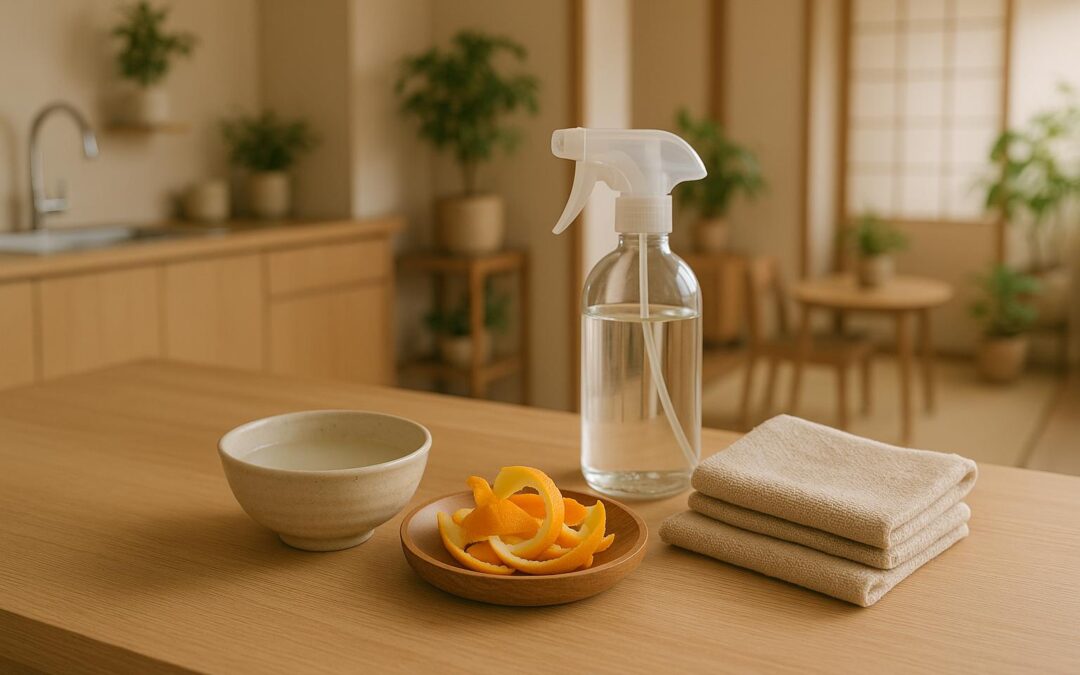
Cleaning can often feel like a tedious and thankless task, but what if it could be transformed into a mindful, rejuvenating ritual? Drawing from centuries-old Japanese practices, this guide introduces gentle, eco-friendly methods that not only keep your home clean but also promote peace of mind and harmony in your environment. These techniques, rooted in simplicity and nature, are perfect for middle-class homeowners, landlords, and business owners in the Chicagoland area who value health, cleanliness, and sustainability. Let’s dive into the transformative power of these seven Japanese cleaning secrets.
The Philosophy Behind Japanese Cleaning
In Japanese culture, cleaning is more than a chore; it’s a practice of gratitude, mindfulness, and connection to one’s home. Whether it’s a small daily ritual or a deep cleanse using natural materials, each act of care expresses respect for your space and the environment. These practices are particularly beneficial for those seeking chemical-free solutions that are gentle on the body and effective in maintaining a fresh, inviting atmosphere.
Secret 1: Treat Cleaning as a Daily Ritual of Peace
In Japan, cleaning is approached as a calming and intentional daily practice rather than a burdensome task saved for weekends. This routine, often compared to meditation or prayer, focuses on connecting with your space in a meaningful way.
- How It Works: Spend just five minutes each morning cleaning a small area, like your kitchen counter or bedside table, with slow and deliberate motions. Focus on gratitude – for your home, your health, and the quiet moment.
- Benefits: This practice not only keeps your home tidy but also promotes mental clarity, relaxation, and a sense of accomplishment. For seniors or anyone managing stress, this gentle approach can feel like a form of self-care.
Secret 2: Use Rice Water as a Natural Cleaner
One of the most surprising and effective natural cleaning agents comes from an everyday kitchen staple – rice water. Known as "kome no togijiru" in Japan, this nutrient-rich byproduct has been used for generations to clean a variety of surfaces.
- How to Make It: Save the milky water left after rinsing rice. Use it fresh or let it ferment slightly for enhanced cleaning power.
- Applications:
- Wipe down kitchen counters to remove grease.
- Soak cloudy glassware for 10 minutes to restore shine.
- Mop wooden floors with rice water mixed in warm water; it nourishes the wood and enhances its natural glow.
- Clean windows and mirrors for a streak-free finish.
- Pro Tip: Add a few drops of essential oil to rice water for a pleasant, natural fragrance.
Secret 3: Transform Citrus Peels into All-Purpose Cleaners
In Japan, even citrus peels are repurposed into powerful cleaning agents. Packed with natural oils and refreshing scents, they’re perfect for tackling dirt and grime while leaving your home smelling fresh.
- Recipe for Citrus Cleaner:
- Collect peels from oranges, lemons, or any citrus fruit.
- Fill a glass jar with the peels and cover them with white vinegar.
- Let the mixture sit for two weeks, shaking occasionally.
- Strain and transfer the liquid to a spray bottle.
- Uses:
- Remove soap scum in the bathroom.
- Cut through grease on stovetops.
- Freshen jars or containers with sticky residues.
- Repel moths by placing dried citrus peels in closets.
- Extra Tip: Add dried citrus peels to bath water or burn them to purify the air on chilly evenings.
Secret 4: Practice Mindful Sweeping with Natural Brooms
In traditional Japanese homes, sweeping is a meditative act performed with handcrafted brooms made from natural grasses. Unlike noisy vacuums, these brooms offer a quiet, calming experience while effectively collecting dust.
- Why It Works:
- The rhythmic motion and the sound of sweeping promote mindfulness and relaxation.
- Natural brooms are gentle on hardwood floors and rugs, avoiding scratches or wear.
- How to Try It: Dedicate 10 minutes each morning to sweeping one room slowly and with intention. Hold the broom lightly and let the bristles glide over the surface.
Secret 5: Clean with Water and Gratitude
Japanese Buddhist monks have long used pure water and soft cloths for cleaning, combined with a practice of gratitude for the tools and spaces they care for.
- How to Practice:
- Fill a bowl with warm water and grab a soft cloth.
- While cleaning, reflect on the importance of the space or object you’re caring for – be it a table, bookshelf, or window.
- For example, while cleaning your kitchen table, think about the family meals shared there.
- Why It Matters: This method fosters a deeper appreciation for your home and a sense of peace in your routine.
Secret 6: Embrace Danshari – The Art of Letting Go
Danshari is a philosophy of decluttering that focuses on refusing unnecessary items, letting go of what no longer serves you, and creating space for what truly matters.
- Steps to Start:
- Choose one small area – like a drawer or a closet shelf.
- Ask:
- Does this bring me joy?
- Do I use it regularly?
- Am I keeping it out of love or guilt?
- Discard or donate items that don’t align with your needs or happiness.
- Results: A simplified, decluttered home that feels lighter and more manageable. For seniors, this can be particularly freeing, both physically and emotionally.
Secret 7: Use Natural Cleaning Tools
Japanese cleaning tools, like bamboo brushes, cotton cloths, and wooden buckets, are designed for durability, functionality, and eco-friendliness.
- Why Choose Natural Materials:
- They are gentle on surfaces and hands.
- They improve with age – bamboo bristles soften, and wooden handles develop a warm patina.
- They reduce waste by lasting for years, unlike disposable plastic alternatives.
- Suggestions for Transition:
- Replace disposable sponges with bamboo scrubbers.
- Use washable cotton rags instead of paper towels.
- Store homemade cleaners in glass bottles.
- Bonus: These tools connect you to nature, making cleaning feel more harmonious and rewarding.
Key Takeaways
- Daily Cleaning Rituals: Spend five mindful minutes each day cleaning one small area with gratitude.
- Rice Water Magic: Use leftover rice water to clean counters, glassware, and floors naturally.
- Citrus Cleaners: Repurpose citrus peels to create eco-friendly cleaners and air purifiers.
- Mindful Sweeping: Trade noisy vacuums for natural brooms to enjoy a quiet, meditative routine.
- Water and Gratitude: Clean with warm water and an attitude of appreciation for your home.
- Declutter with Danshari: Let go of items that no longer serve you to create space for joy and simplicity.
- Natural Tools: Use bamboo brushes, cotton cloths, and wooden tools for sustainable, effective cleaning.
Conclusion
Adopting these Japanese cleaning secrets can do more than transform your home – it can also bring newfound peace, mindfulness, and harmony into your daily life. By embracing simple, natural methods, you’ll create a space that reflects not just cleanliness, but also gratitude and respect for the world around you. Which of these methods will you try first? Start small, and enjoy the journey to a cleaner, more serene home.
Source: "7 Japanese Cleaning Secrets for a Calm, Eco-Friendly Home | Cleaning Tips" – Seniors Cleaning Hacks, YouTube, Aug 31, 2025 – https://www.youtube.com/watch?v=OKfbpiX3B6I
Use: Embedded for reference. Brief quotes used for commentary/review.
Recent Comments