
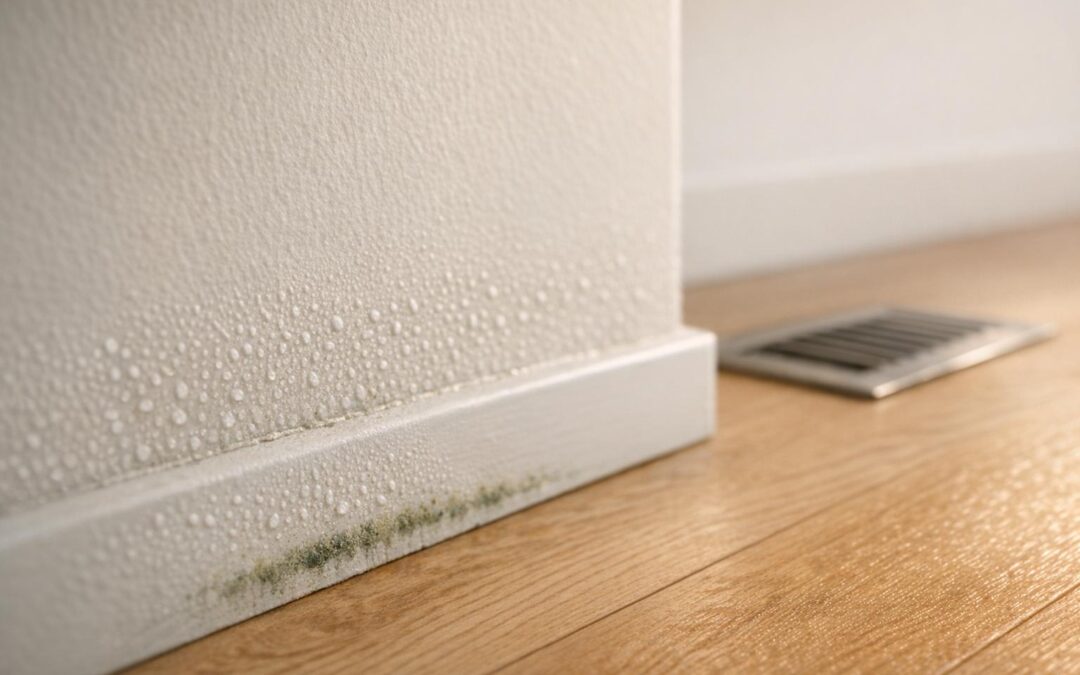
Musty Smell in the House? Start With the Clues
A lingering musty odor can be frustrating because it doesn’t always point to one clear cause. Sometimes it’s tied to mold or mildew, but in other cases the source is excess humidity, damp carpet, HVAC condensation, plumbing trouble, or stale air trapped in a closed space. A good mold and mildew smell checker helps you look at the pattern instead of guessing.
What This Tool Helps You Review
This guided self-check looks at where the smell is strongest, when it gets worse, and whether there are signs of moisture such as stains, bubbling paint, condensation, or damp materials. It also considers clues that may suggest other explanations, like sewage-like drain odors or chemical smells from paint, cleaners, or off-gassing materials.
Why a Musty Odor Shouldn’t Be Ignored
A recurring smell can be an early sign of hidden water intrusion behind walls, under flooring, around windows, or inside HVAC components. Using a mold and mildew smell checker can help you decide whether simple monitoring is enough or if it’s time for a closer inspection. It won’t diagnose mold, but it can point you toward practical next steps and help you narrow down whether the issue seems moisture-related, ventilation-related, or something else entirely.
FAQs
Can this tool tell me for sure if I have mold?
No. This is an educational self-check, not a mold diagnosis. A musty odor can be linked to moisture, mildew, HVAC condensation, drains, wet materials, or even off-gassing from products and building materials. The tool helps you organize the clues you’re seeing and smelling, but confirming mold usually requires a careful in-person inspection, and sometimes lab testing if a professional believes it’s necessary.
What if the smell seems more like sewage or comes up near drains?
That pattern often points more toward a plumbing or drain issue than a mold problem. If the odor is sewage-like, gets worse near plumbing use, or is strongest around sinks, tubs, floor drains, or drain lines, it may involve a dry trap, venting issue, buildup in drains, or a leak in plumbing components. You should still watch for moisture damage nearby, but the first step is usually checking the plumbing side rather than assuming mold is the only cause.
When should I bring in a professional?
It’s a good idea to get help if you’ve had recent flooding, ongoing leaks, visible growth, repeated odor after cleaning, or symptoms that consistently improve when you leave the area. You should also take it seriously if the smell affects multiple rooms, keeps returning during humid weather, or appears when the HVAC starts up. A qualified moisture or mold inspector, HVAC technician, or plumber may be the right fit depending on what your results suggest.
Recent Comments