by Ozonated Cleaning Research Team | Aug 30, 2026 | Uncategorized
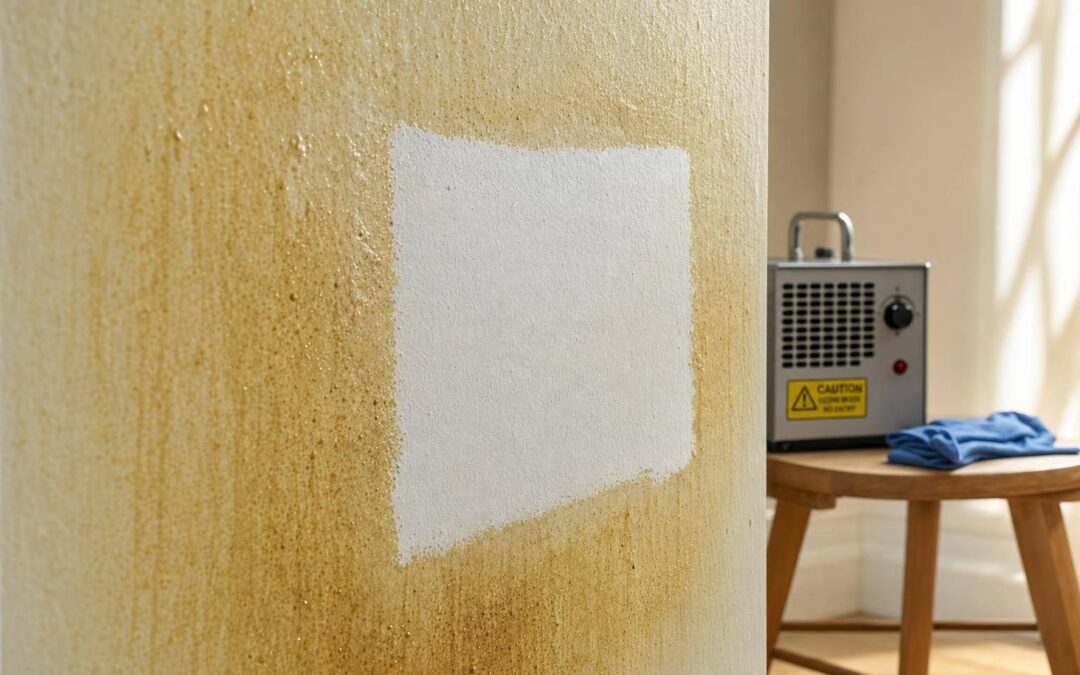
Yes – sometimes. But ozone alone usually does not make cigarette smoke smell stay gone for good. If I had to boil the whole article down to a few lines, I’d say this: Ozone can knock down smoke odor in the air and on exposed surfaces It cannot pull tar,...
by Ozonated Cleaning Research Team | Aug 29, 2026 | Uncategorized
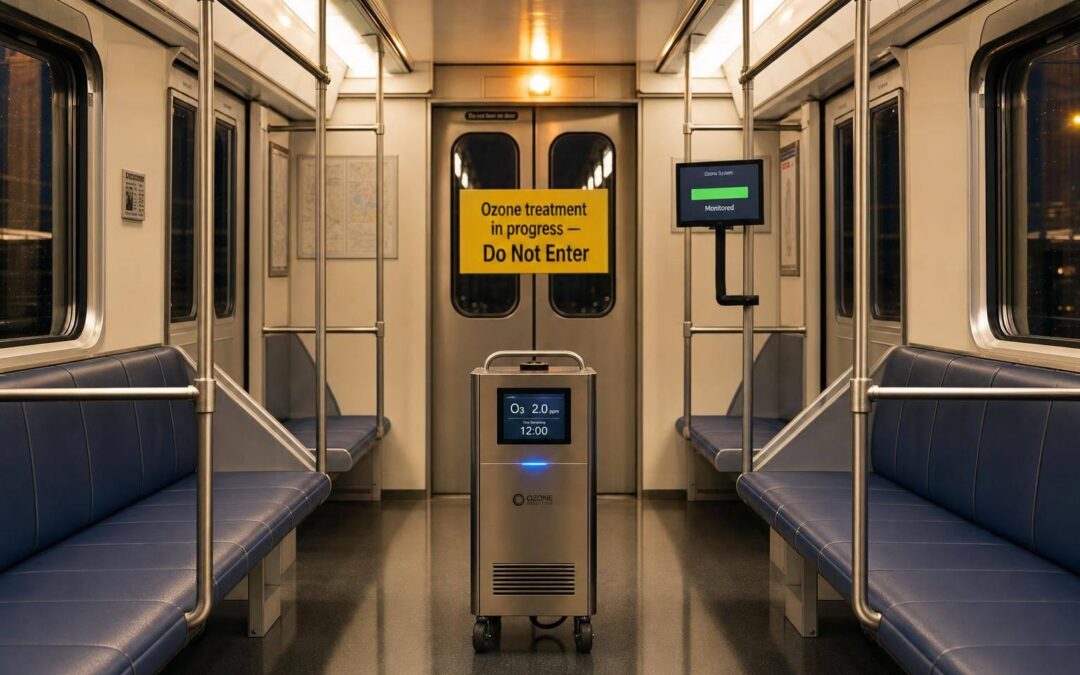
If I had to boil this down to one point, it’s this: ozone can help with odor control and some extra disinfection in buses and subway cars, but only when the vehicle is empty, sealed, monitored, and cleared before anyone goes back in. I wouldn’t treat ozone as the main...
by Ozonated Cleaning Research Team | Aug 28, 2026 | Uncategorized
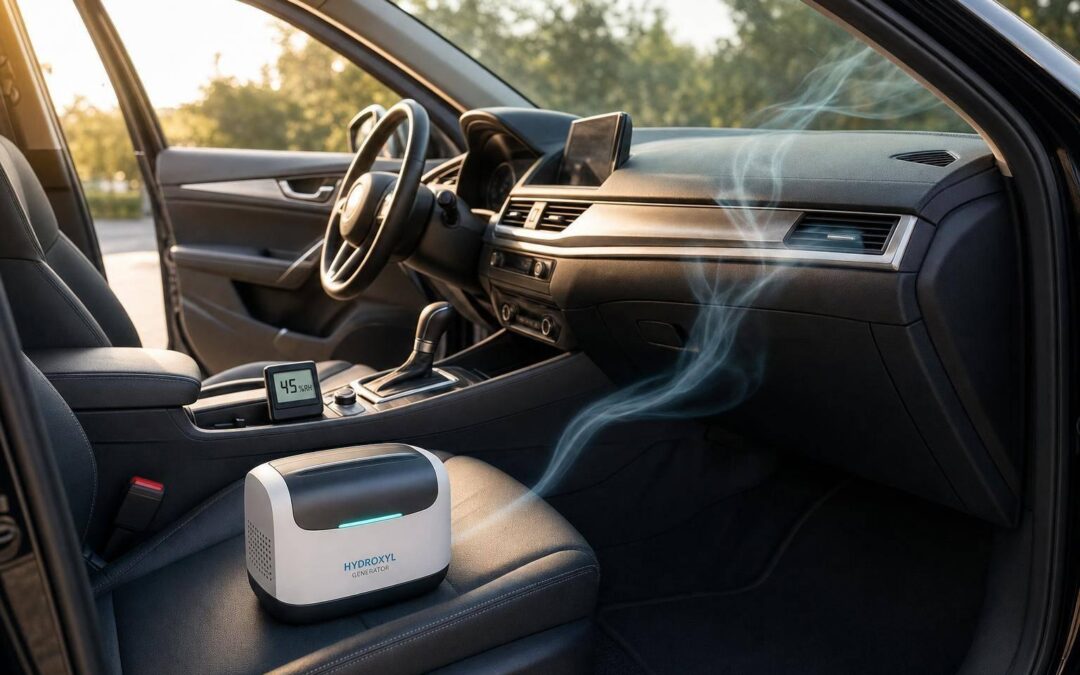
If a car, RV, or boat still smells after cleaning, hydroxyl treatment can help by breaking down odor gases in the air and moving through vents and soft materials. I’d sum it up this way: it works best on lingering odors, it helps inside HVAC paths, and it does not fix...
by Ozonated Cleaning Research Team | Aug 27, 2026 | Uncategorized
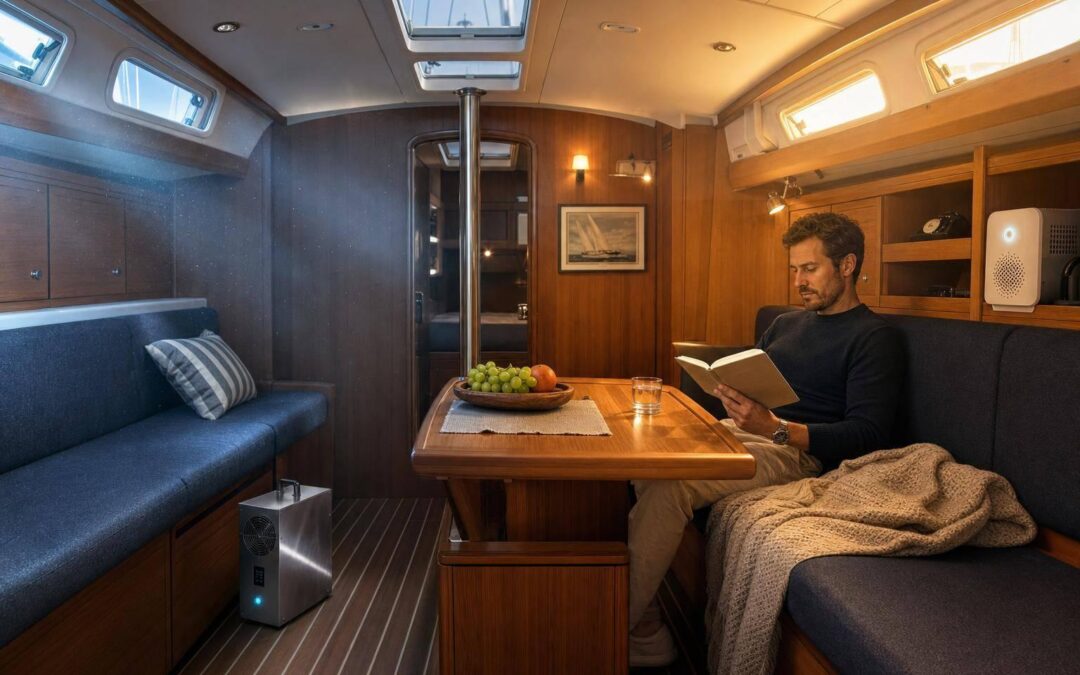
If I need the short answer: I’d pick ozone for heavy boat cabin odors in an empty boat, and hydroxyl for milder odors when people still need to use the cabin. Boat cabins trap moisture, mildew smells, fuel odors, and stale air fast. This article comes down to three...
by Ozonated Cleaning Research Team | Aug 26, 2026 | Uncategorized
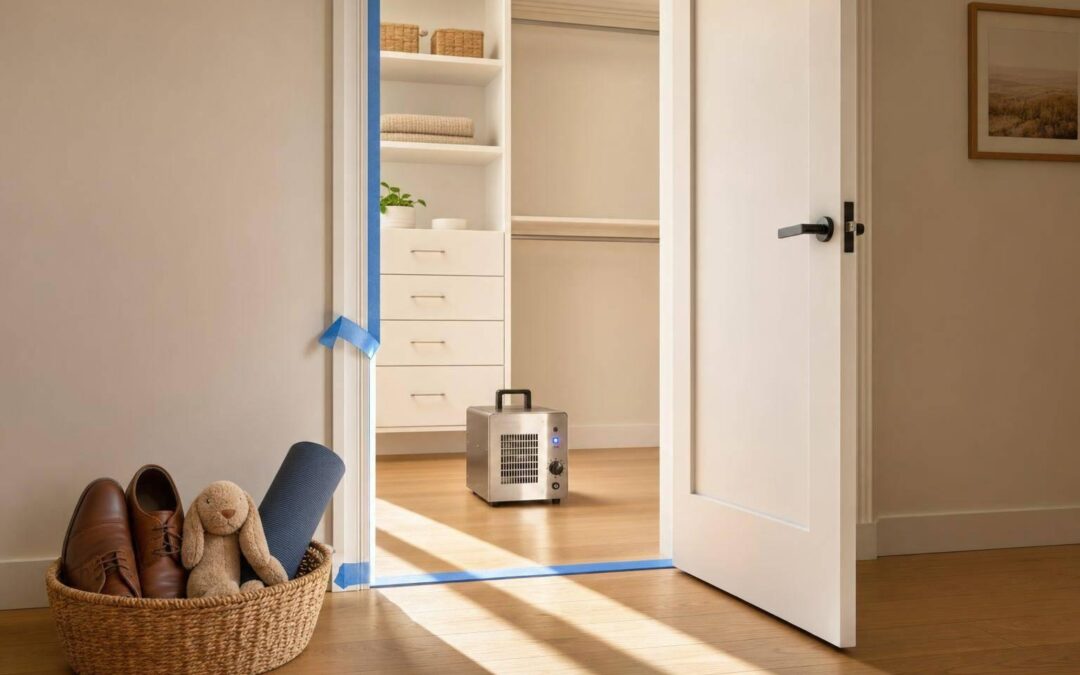
If I use ozone in a closet, I treat it like a short shock job in an empty, sealed space – not like an air cleaner. In a small closet, ozone can hit 10–20 ppm fast, which is why I focus on three things first: keeping people out, limiting run time, and venting...
by Ozonated Cleaning Research Team | Aug 25, 2026 | Uncategorized
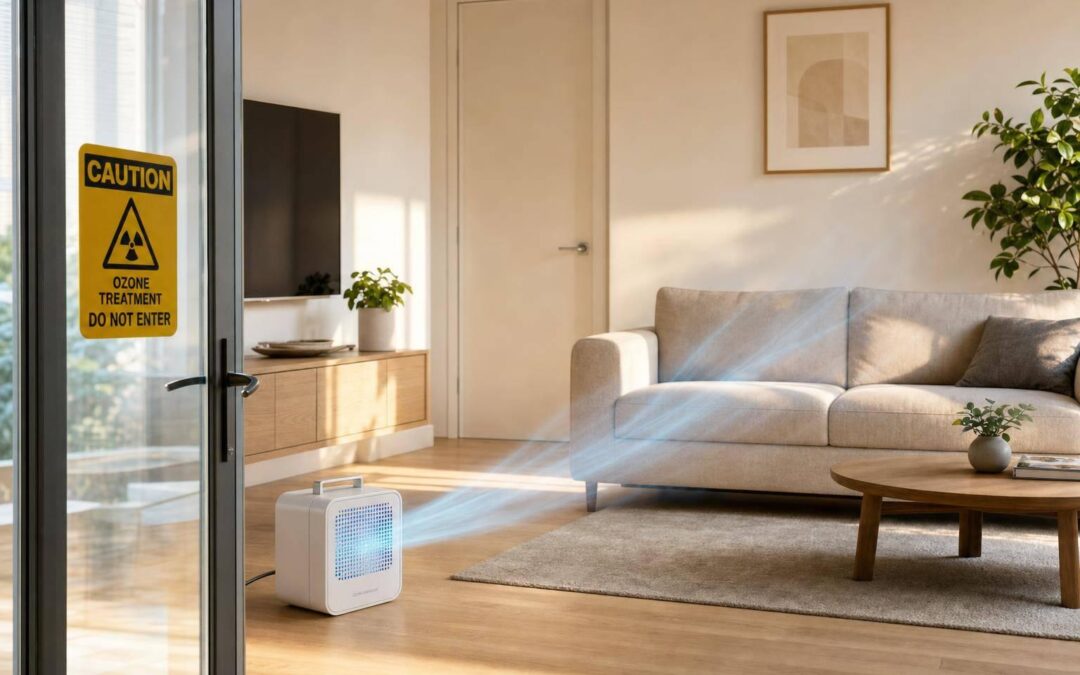
Portable ozone generators can cut deep odors, but only in empty spaces and only after you fix the source first. I’d sum it up like this: ozone attacks odor molecules through oxidation, it may help with smoke, pet, mildew, and car odors, but it also brings health...
Recent Comments