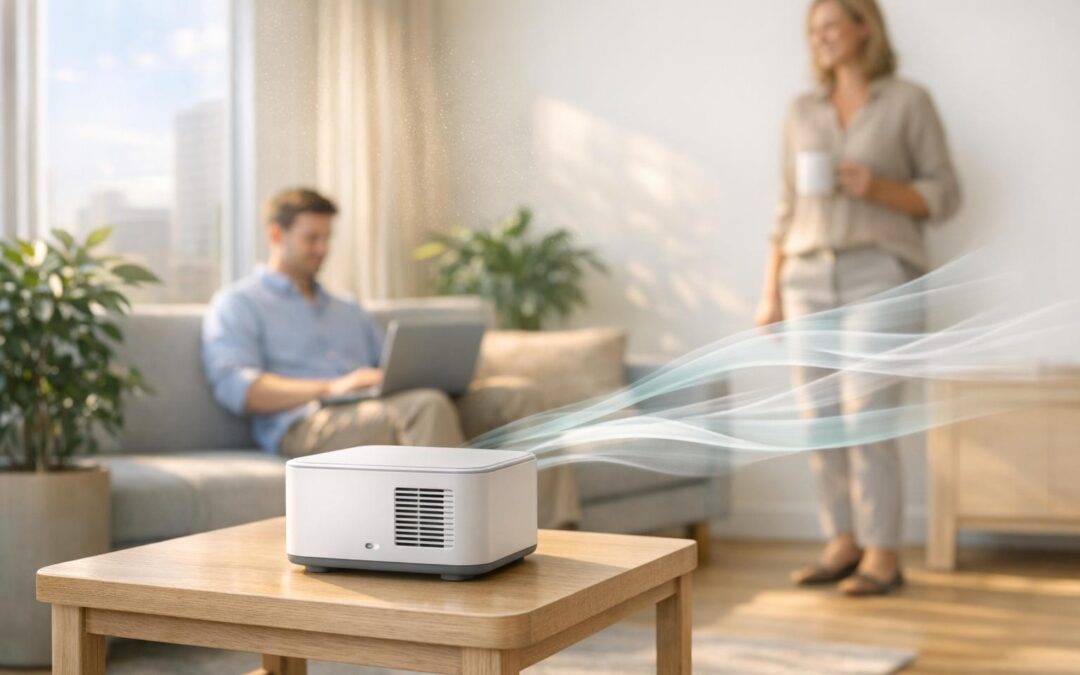
Hydroxyl generators offer a safe and efficient way to disinfect indoor spaces without the need to vacate them. Unlike ozone vs hydroxyl generators, which can be harmful to people and pets, hydroxyl generators produce hydroxyl radicals that break down pathogens, odors, and contaminants instantly, leaving no harmful residue. These devices are ideal for environments like hospitals, offices, and hotels, where uninterrupted operations are critical.
Key Points:
- How They Work: Hydroxyl generators use UV light to create hydroxyl radicals, which neutralize contaminants in the air and on surfaces.
- Safety: Safe for people, pets, and plants; they produce no harmful byproducts and comply with EPA and OSHA standards.
- Applications: Widely used in healthcare, hospitality, restoration, and commercial spaces for continuous disinfection and odor control.
- Limitations: Proper placement, sizing, and ventilation are crucial for effective use.
Hydroxyl generators are a practical solution for maintaining clean air in busy environments, combining safety and effectiveness for continuous use.
Titan Hydroxyl Generator Instructional Video
sbb-itb-5fea4da
How Hydroxyl Generators Work
Understanding how these devices function helps explain their effectiveness and safety when used in occupied spaces.
The Role of Hydroxyl Radicals
Hydroxyl radicals (•OH) are incredibly powerful oxidants – second only to fluorine. Hydroxyl generators replicate a natural process that occurs when sunlight interacts with atmospheric moisture, using UV lamps to break apart water vapor molecules.
Often referred to as "nature’s dominant sanitizing agent", hydroxyl radicals aggressively target and neutralize contaminants. When they encounter pollutants, they form reactive organic peroxy radicals (ROO), which initiate a fast chain reaction (typically lasting 12–14 minutes) that breaks down pollutants. This reaction not only purifies the air around the generator but also continues to work throughout the space, converting complex carbon-based pollutants into harmless water (H₂O) and carbon dioxide (CO₂).
"Environmental researchers will confirm that hydroxyl radicals are the most important responsive species for keeping our air clean." – WellisAir USA
These radicals act almost instantly, with a half-life of less than one second. This rapid reaction is why hydroxyl generators are considered safe for use around people, pets, and plants. They can eliminate up to 99.9% of pathogenic microorganisms while remaining non-toxic to occupants.
This natural and fast process highlights the importance of precise engineering in hydroxyl generators.
Top Features of Hydroxyl Generators
The heart of a hydroxyl generator lies in its UV lamps, which activate water vapor to produce hydroxyl radicals. Unlike traditional air purifiers that rely on filters to trap particles, these devices create a continuous flow of radicals that neutralize contaminants on contact.
There’s no need for extra filtration systems because the hydroxyl radicals themselves handle the sanitization. The generator pulls in humid air, exposes it to UV light, and releases hydroxyl radicals that immediately tackle airborne and surface contaminants. Some models include built-in fans to ensure even distribution of hydroxyl radicals across the space.
"The technology allows contractors to run the generators while performing their normal physical cleaning instead of afterward and enables clients to stay in their home or business when possible." – Michelle Blevins, Restoration & Remediation
Proper placement and adherence to manufacturer guidelines are key to achieving both safety and effectiveness. Generators must produce enough hydroxyl radicals to sanitize the space without creating overly high oxidant concentrations in poorly ventilated areas. Outdoors, hydroxyl concentrations typically range from 1 to 10 million OH/cm³, and well-designed generators aim to replicate or slightly exceed these levels indoors. These technical details ensure safe, continuous disinfection in spaces where people, pets, and plants are present.
Safety of Hydroxyl Generators in Occupied Spaces
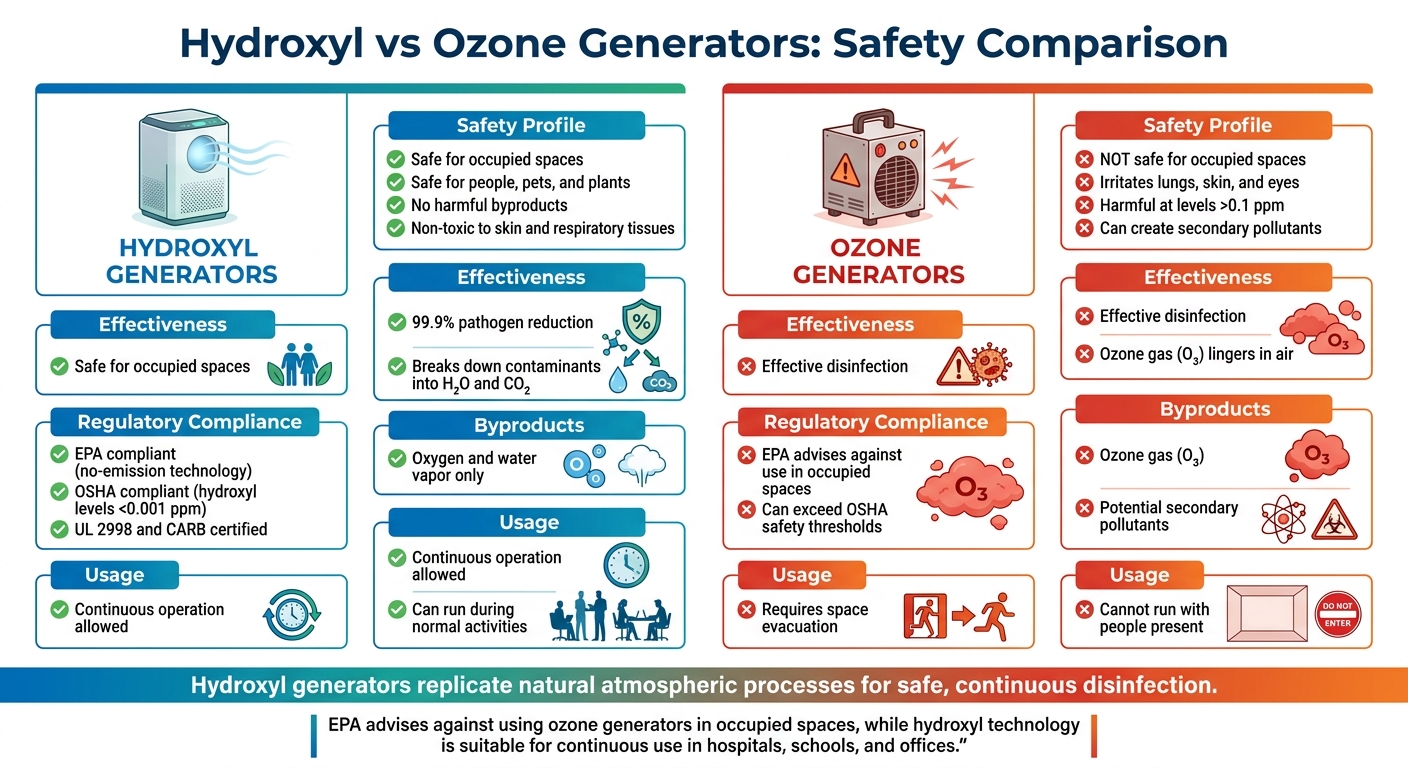
Hydroxyl vs Ozone Generators: Safety and Effectiveness Comparison
Hydroxyl generators stand out for their ability to operate safely in occupied spaces, thanks to their non-toxic design. These devices generate hydroxyl radicals, which efficiently break down contaminants into harmless byproducts like oxygen and water vapor. Unlike chemical disinfectants or UV light systems, hydroxyl generators achieve this without posing risks to skin or respiratory tissues. This makes them a safer alternative for continuous use in environments where people are present.
Hydroxyl vs. Ozone Generators
While both hydroxyl and ozone generators rely on oxidation to disinfect, their safety profiles differ significantly. Ozone generators produce ozone gas (O₃), which can irritate the lungs, skin, and eyes at levels exceeding 0.1 parts per million. Due to these risks, the EPA advises against using ozone generators in occupied spaces, as ozone lingers in the air and can react with indoor materials to create secondary pollutants.
Hydroxyl generators, on the other hand, replicate natural atmospheric processes without emitting harmful gases. They achieve a 99.9% reduction in airborne pathogens while staying well within safe exposure limits. Unlike ozone, which can surpass OSHA safety thresholds, hydroxyl technology is suitable for continuous use in places like hospitals, schools, and offices that require uninterrupted disinfection. This technology complements pathogen control in HVAC systems for comprehensive building safety.
Meeting Safety Standards
Hydroxyl generators not only offer chemical safety but also adhere to strict regulatory standards. These devices comply with EPA guidelines for indoor air quality as "no-emission" technologies, producing no regulated byproducts. Additionally, they meet OSHA exposure limits, as hydroxyl levels remain extremely low (below 0.001 ppm). Many models also carry UL 2998 and CARB certifications, reinforcing their safety for continuous use in sensitive environments.
Independent testing has shown that hydroxyl generators maintain air quality indices below 50 during extended operation. While no significant health risks have been identified in clinical trials, manufacturers suggest placing high-output units at least 10 feet away from workstations to minimize the chance of minor eye irritation caused by direct airflow.
Commercial Uses for Hydroxyl Generators
Industries Using Hydroxyl Technology
Hydroxyl generators have become a go-to solution for continuous disinfection across various commercial sectors, offering the unique advantage of operating without disrupting daily activities. In healthcare settings, these devices are indispensable. Hospitals and clinics use them around the clock to sanitize air in patient rooms, waiting areas, and surgical suites. Their ability to neutralize bacteria, viruses, and mold spores while staff and patients remain present makes them an essential tool for maintaining a safe environment.
The hospitality industry also benefits greatly from this technology. Hotels, restaurants, and event venues rely on hydroxyl generators to keep spaces fresh and odor-free. These systems effectively remove cigarette smoke, cooking odors, and VOCs from cleaning products, as well as persistent pet odors, all while allowing guests to stay in their rooms or dining areas. Restoration and remediation professionals similarly depend on hydroxyl generators, particularly when tackling fire or water damage. These units work alongside cleanup crews, neutralizing smoke odors and fungal spores during active restoration efforts.
"Hydroxyl generators produce oxidizing gases that break apart odor molecules. Hydroxyls can eliminate a much broader range of odors and VOCs as compared to ozone." – Michelle Blevins, Restoration & Remediation
Office buildings and retail spaces are another key area of application. Because hydroxyl generators are safe for materials like rubber, plastic, electronics, and delicate finishes, businesses can improve air quality without risking damage to high-value equipment. Schools and daycare centers also use these systems to reduce allergens and pathogens, providing cleaner air for children, including those with sensitivities, who spend long hours in classrooms.
These diverse applications are particularly evident in the Chicagoland area, where businesses and service providers have embraced the technology for its practical benefits.
Examples from the Chicagoland Area
Practical examples from the Chicagoland area highlight the advantages of hydroxyl technology in action. Local restoration companies handling flood or fire damage have integrated these generators into their processes, allowing for quicker cleanup and improved air quality during the remediation phase. Downtown Chicago office buildings, especially those with low-ventilation spaces like conference rooms, use these systems to maintain air circulation and freshness where traditional ventilation falls short.
Professional service providers in the region have also tailored hydroxyl solutions to meet specific commercial needs. For instance, Ozonated Cleaning LLC (https://ozonatedcleaning.com) offers specialized hydroxyl services for businesses across Chicagoland. Their expertise includes odor removal, sanitization, and allergen reduction in occupied spaces, enabling businesses to continue operations while achieving thorough air purification.
These local examples emphasize the versatility and effectiveness of hydroxyl generators in maintaining safe, clean environments across a wide range of industries and settings.
Benefits and Limitations of Hydroxyl Generators
Advantages of Hydroxyl Generators
Hydroxyl generators offer a practical way to disinfect spaces and improve indoor air quality without disrupting daily operations. Since they can function continuously, they’re especially effective at reducing odors when installed and used correctly.
However, while these benefits are appealing, achieving them requires careful planning and adherence to guidelines – something that becomes more evident when considering their limitations.
Limitations to Consider
Despite their advantages, there are several factors to keep in mind when using hydroxyl generators. Proper installation and operation are critical to ensure safe and effective performance.
One key factor is equipment sizing. The generator must be rated for the room’s square footage and airflow. If the unit is too small for the space, it won’t effectively treat the area. Similarly, incorrect placement can leave sections untreated, reducing overall efficiency.
In smaller, poorly ventilated spaces, high-output units can lead to a buildup of oxidants. As highlighted in Restoration & Remediation, "It is important to choose the right generators and properly space them effectively remove odors and avoid high concentrations of oxidants in small occupied spaces with no ventilation". This underscores the importance of evaluating room dimensions, airflow, and ventilation systems before installation.
To get the best results, operators must strictly follow guidelines for placement, runtime, and maintenance. Without proper training and attention to these details, businesses may fall short of their disinfection goals.
How to Use Hydroxyl Generators: Step-by-Step
Preparing the Space
Start by measuring the area and analyzing airflow patterns to ensure the generator is the right size and positioned effectively. Pay attention to areas where contaminants might accumulate, such as corners or poorly ventilated spots.
Make sure the space has proper ventilation to avoid oxidant buildup, especially in smaller or enclosed areas. If the room lacks natural airflow, open windows or use mechanical ventilation systems to promote air exchange.
Once you’ve addressed ventilation and identified potential problem areas, you’re ready to set up and operate the generator.
Operating the Hydroxyl Generator
Place the generator in a central location, following the manufacturer’s instructions, to allow for unobstructed airflow. Avoid putting it in corners, behind furniture, or in areas where air circulation is restricted. For larger spaces, you may need to use multiple units, carefully positioned to ensure the entire area is covered. Proper placement and runtime are key to achieving continuous and safe disinfection.
Set the runtime based on the severity of odors and the size of the room. This could range from a few hours to several days, depending on how contaminated the space is.
When the operation is finished, it’s time to evaluate the results and perform necessary maintenance.
After Operation
Once the treatment is complete, check for any lingering odors. If odors remain, it may be necessary to manually clean physical contaminants such as mold or embedded debris, as hydroxyl radicals only break down airborne particles and cannot remove physical buildup.
Refer to the manufacturer’s guidelines for maintenance tasks like cleaning filters, inspecting UV lamps, and checking other components. Regular maintenance keeps the generator running effectively for future use. Keep a record of runtime hours and any observations about the treatment’s success to improve your approach for similar situations in the future.
Professional Hydroxyl Services in Chicagoland
Why Choose Ozonated Cleaning LLC
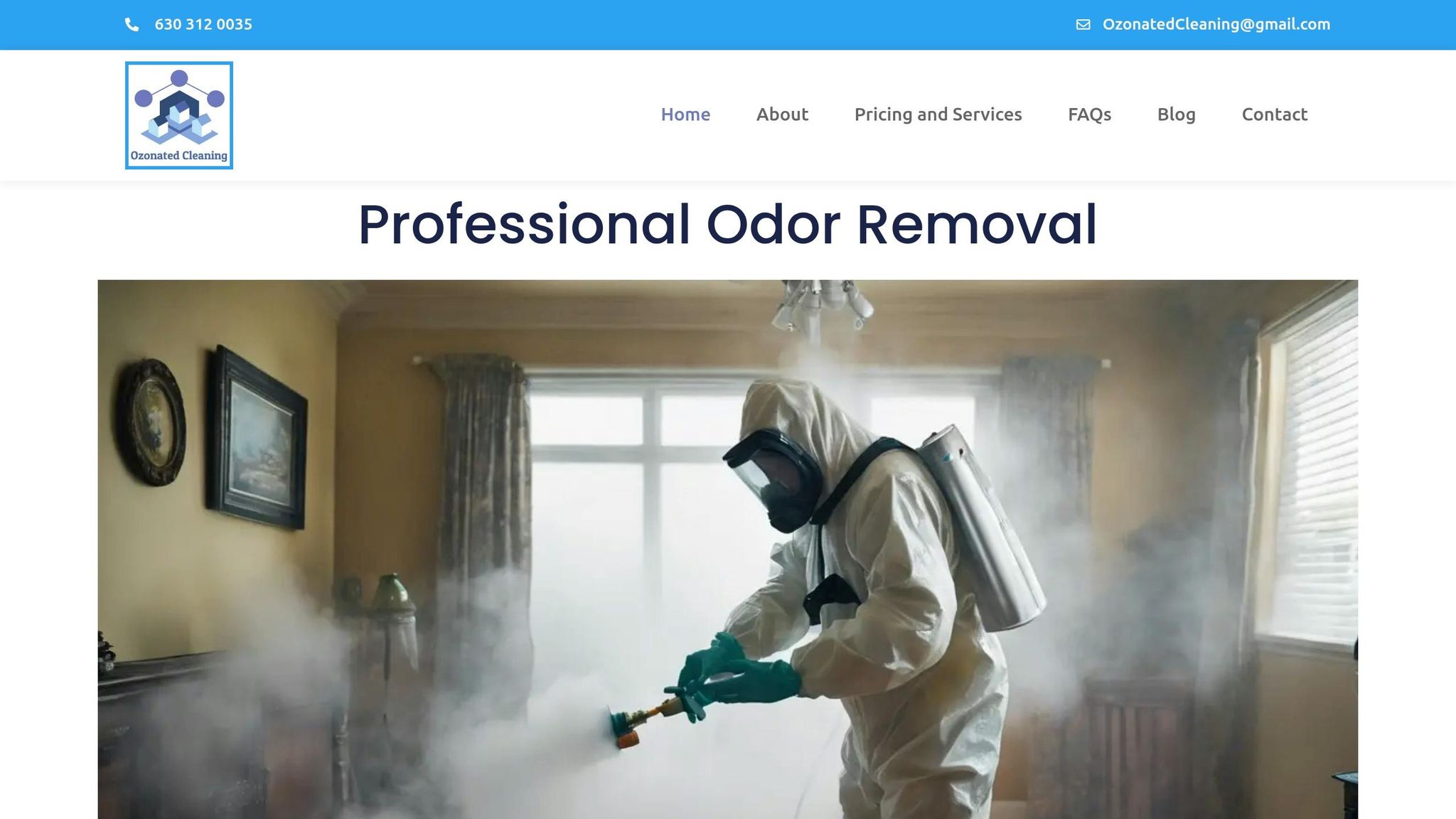
Professional services take the effectiveness of hydroxyl generators to the next level. While you can use these devices on your own, hiring experts ensures the equipment is set up with the right strength and placement for your specific space. Factors like room size, airflow, and contamination levels all play a role, and trained technicians know how to maximize results. One of the biggest perks? Hydroxyl technology is safe to use in occupied spaces, so you can continue your day without interruptions. Plus, professionals often combine air treatment with hands-on cleaning, tackling surface contaminants to boost overall sanitation and air quality. These benefits make professional services a smart choice for thorough disinfection.
Service Offerings and Pricing
Ozonated Cleaning LLC provides tailored services across the Chicagoland area to meet the needs of homes, vehicles, and businesses. Here’s a quick look at their pricing:
- Home odor removal: $600–$900
- Vehicle deodorizing: $150
- Semi-truck sanitization: $200
For commercial spaces, warehouses, or other large facilities, pricing is customized based on the size and complexity of the project. Whether you’re dealing with stubborn odors, looking for routine sanitization, or aiming to remove allergens and pathogens, Ozonated Cleaning LLC offers tailored hydroxyl and ozone treatments for every situation. These methods are highly effective at eliminating pathogens in enclosed spaces without leaving chemical residues. Contact their team to discuss your specific needs and get a personalized quote.
Conclusion
Hydroxyl generators offer a practical solution for continuous disinfection without disrupting daily operations or requiring spaces to be vacated. These devices use naturally occurring radicals to neutralize pathogens, odors, and volatile organic compounds, achieving up to 99.9% pathogen reduction. Unlike ozone generators, which can pose respiratory risks, hydroxyl technology is safe to use in occupied areas, making it a smart choice for businesses across the Chicagoland area that need ongoing air quality management.
While they are highly effective for maintenance disinfection and odor control, hydroxyl generators do have some limitations. Severe contamination may require treatment times ranging from hours to days, and the equipment itself can cost between $1,000 and $5,000 per unit. Additionally, they perform best in environments with low humidity. That said, for routine sanitization and reducing allergens, these devices are reliable and do not produce harmful byproducts. This combination of safety and consistent performance makes them an attractive option for commercial use.
For businesses looking to optimize the use of hydroxyl technology, professional services can make a big difference. Proper equipment placement, calibration, and comprehensive treatment are key to achieving the best results. Chicagoland businesses can turn to Ozonated Cleaning LLC, which specializes in both hydroxyl and ozone solutions. From restroom odor control to pathogen reduction, they offer customized services tailored to your specific needs. Visit ozonatedcleaning.com for a free consultation and learn how their expertise can help maintain a healthier, safer environment without interrupting your operations.
FAQs
Will a hydroxyl generator affect people with asthma or allergies?
Hydroxyl generators are considered safe for people with asthma or allergies when used as directed. These devices produce hydroxyl radicals, which help neutralize pathogens and volatile organic compounds (VOCs) without emitting dangerous levels of ozone. The ozone levels generated stay well within OSHA’s safety standards, making these generators suitable for use in occupied areas.
How do I know what size hydroxyl generator my space needs?
To pick the right size hydroxyl generator, start by evaluating the size of your space and how you plan to use it. Position the generator in a central location, ensuring that both the intakes and exhausts remain unobstructed. Using air movers can help improve airflow and distribute hydroxyls more evenly. It’s also important to maintain proper ventilation and keep humidity levels at around 60% or higher for optimal performance. For precise sizing, refer to the manufacturer’s guidelines based on square footage and occupancy, or seek advice from a professional.
Do hydroxyl generators remove mold or just treat the air?
Hydroxyl generators work by producing hydroxyl radicals, which target and neutralize contaminants, pathogens, and unpleasant odors in the air. While these devices don’t directly eliminate mold, they can play a role in improving air quality. By reducing airborne pollutants, they help create a fresher and cleaner environment in spaces where people are present.
Recent Comments