Creating an allergy-free indoor space isn’t just about comfort – it’s about protecting your health. Allergens like dust mites, pet dander, mold, and VOCs can make your home a trigger zone for allergies. Here’s what you need to know:
- Daily Cleaning: Wipe surfaces with a damp microfiber cloth and keep sleeping areas tidy.
- Weekly Maintenance: Use a HEPA vacuum, wash bedding, and dust hard-to-reach areas.
- Control Humidity: Use a hygrometer to monitor levels (30%-50%) and dehumidifiers in damp areas.
- HVAC Care: Replace filters regularly and check for dust and mold buildup.
Advanced tools like hydroxyl generators and ozone treatments can neutralize allergens at a molecular level. Hydroxyl generators are safe for occupied spaces, continuously breaking down allergens, while ozone is ideal for deep cleaning unoccupied areas. Pair these with air purifiers and regular inspections for optimal results.
For persistent allergen issues, professional services like those from Ozonated Cleaning LLC can offer deep-cleaning solutions, starting at $600. Consistency in cleaning and monitoring is key to maintaining an allergy-free environment.
Reduce Indoor Allergens and Asthma Triggers in Your Home
Complete Checklist for Allergen-Free Spaces
Keeping your space free from allergens takes consistent effort and attention. Here’s a practical checklist of tasks to tackle daily, weekly, and periodically to help manage common allergens effectively.
Daily and Weekly Cleaning Tasks
Start with daily upkeep by focusing on areas you use the most. Use a damp microfiber cloth to wipe down high-touch surfaces like countertops, tables, and doorknobs. This helps trap dust and other particles. Keep sleeping areas tidy and free of clutter to minimize the buildup of allergens like dust mites and pet dander.
For weekly cleaning, step up your efforts. Vacuum carpets, rugs, and upholstered furniture using a vacuum equipped with a HEPA filter to capture fine particles. Wash bedding, pillowcases, and other fabrics according to their care instructions to reduce allergens. Don’t forget to dust those often-overlooked areas like ceiling fans, light fixtures, and door frames. Also, take care of your cleaning tools – clean or replace them as recommended to ensure they’re working effectively.
Once your cleaning routine is in place, turn your attention to managing the environment itself.
Control Humidity and Prevent Mold
Controlling indoor humidity is key to managing allergens and stopping mold from forming. Use a digital hygrometer to keep an eye on humidity levels, aiming to keep them low. In moisture-prone areas like bathrooms and basements, run dehumidifiers and clean them regularly following the manufacturer’s guidelines. Use exhaust fans during and after activities that produce steam, like showering or cooking, and take care of leaks as soon as they appear to prevent dampness from lingering.
Managing humidity is just one piece of the puzzle – your HVAC system also plays a big role.
HVAC System Maintenance
Your HVAC system is vital for maintaining good indoor air quality. Replace or clean filters regularly based on the manufacturer’s instructions to help capture airborne allergens. Keep the outdoor unit free from debris, and check return vents for dust buildup. If you notice musty smells or excessive dust in your ducts, it might be time for a professional inspection to ensure the system is running efficiently.
Using Hydroxyl Technology for Allergen Reduction
Building on the cleaning checklist, hydroxyl technology provides an additional layer of protection by targeting invisible allergens in the air. This technology works continuously, breaking down airborne allergens at a molecular level without relying on chemicals or filters. Let’s dive into how these radicals work their magic.
How Hydroxyl Generators Work
Hydroxyl generators replicate the natural interaction between UV light and water vapor to create radicals that dismantle allergens. These hydroxyl radicals break down contaminants like pollen, dust mite proteins, and pet dander particles.
What sets hydroxyl technology apart is its ability to go beyond what traditional cleaning methods can achieve. Unlike air filters that only trap particles passing through them, hydroxyl radicals actively neutralize allergens throughout the entire space. They even reach into fabrics and tight corners where allergens tend to hide. This all-encompassing action ensures allergens are tackled even in spots that are often overlooked.
Safe Setup and Operation
While understanding the science behind hydroxyl generators is important, knowing how to use them safely is just as critical. One major benefit of this technology is its safety for use in occupied spaces. Since hydroxyl radicals naturally occur in outdoor air – and humans, plants, and animals coexist with them – these generators are far safer than ozone generators, which require evacuation during use.
To get the best results, place the unit in a central location to maximize air circulation. Most residential units are designed for continuous operation, making them ideal for ongoing allergen control rather than one-time treatments.
| Technology | Safe for Occupied Spaces | Chemical-Free | Targets Air & Surfaces | Allergen Reduction Rate |
|---|---|---|---|---|
| Hydroxyl Generators | Yes | Yes | Yes | Up to 99.9% |
| Ozone Generators | No | No | Yes | Effective but unsafe for occupied spaces |
| HEPA Filters | Yes | Yes | Air only | High for particulates, not for all allergens |
Running hydroxyl generators consistently ensures allergens and other contaminants are neutralized as part of your regular indoor maintenance routine.
Ozonated Cleaning LLC‘s Professional Services
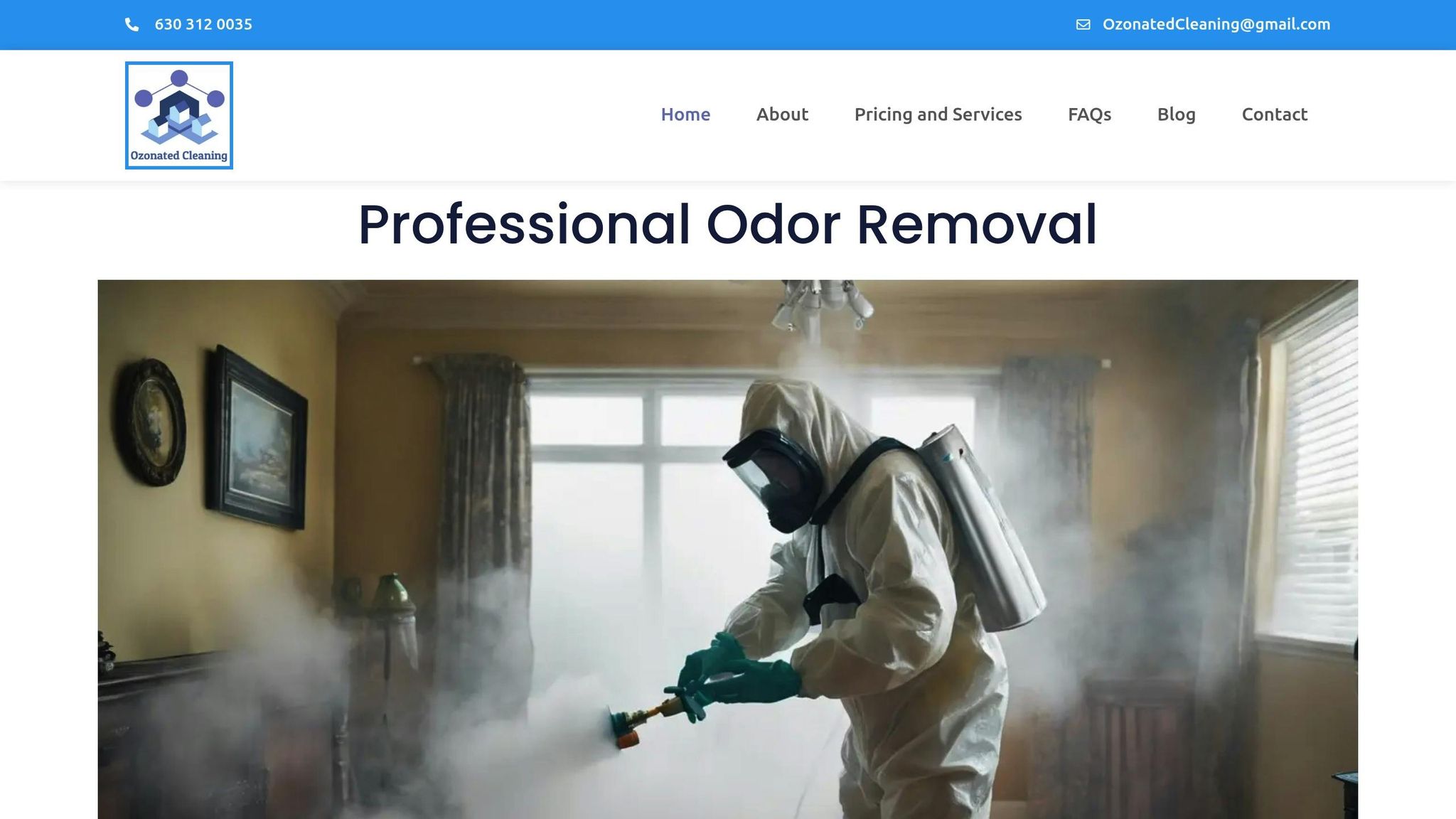
For those looking to go beyond routine cleaning, Ozonated Cleaning LLC offers professional-grade solutions to tackle allergens in homes, offices, and other indoor environments. Using commercial-grade hydroxyl generators, they address allergen hotspots that everyday cleaning might miss.
Their services combine hydroxyl technology with ozone treatments for a thorough approach to allergen control. This dual method targets multiple sources of allergens at once, ensuring a deep and lasting clean.
"By utilizing the power of ozone and hydroxyl, Ozonated Cleaning can penetrate deep into surfaces and fabrics, eliminating even the toughest odors at the source. Ozone is a highly reactive gas that breaks down and oxidizes odor-causing compounds, while hydroxyl radicals further enhance the cleaning process by destroying bacteria, mold, and other contaminants. This comprehensive approach ensures your home or business is left fresh, clean, and free from lingering smells, providing a healthier and more pleasant environment for you and your guests." – Ozonated Cleaning
Professional services are especially useful for spaces with persistent allergen problems or after incidents like water damage that can lead to mold growth. For residential treatments, Ozonated Cleaning LLC charges between $600 and $900, depending on the size of the space. This comprehensive service goes far beyond standard cleaning, leveraging the unique power of hydroxyl radicals, which are harmless to humans, plants, and animals but deadly to allergens.
sbb-itb-5fea4da
Additional Methods for Allergen Control
To achieve a cleaner, allergen-free environment, it’s worth combining several strategies. While hydroxyl technology is a strong ally in allergen removal, supplementing it with other methods can tackle allergens more comprehensively, reaching spaces and particles that a single approach might overlook.
Ozone Treatments for Deep Cleaning
Ozone treatments are a powerful way to target allergens embedded deep within porous surfaces like carpets, upholstery, and drywall. By breaking down these contaminants into harmless substances, ozone can neutralize allergens that standard cleaning methods often fail to address.
However, safety is critical when using ozone. The U.S. EPA advises against using ozone generators in occupied spaces due to the potential for respiratory irritation. For this reason, ozone treatments should only be carried out by professionals in unoccupied areas, ensuring proper ventilation before reentry. Companies like Ozonated Cleaning LLC often pair ozone treatments with hydroxyl technology for an added layer of allergen control.
Air Purifiers and Surface Cleaning
For ongoing allergen management, air purifiers and regular surface cleaning are indispensable. HEPA air purifiers are particularly effective at capturing airborne particles as small as 0.3 microns, including pollen, dust mites, mold spores, and pet dander. These devices work continuously, filtering the air to reduce the presence of allergens.
Activated carbon filters complement HEPA purifiers by absorbing volatile organic compounds (VOCs) and odors from everyday items like cleaning products, furniture, and carpets. Meanwhile, consistent surface cleaning – especially on high-touch areas and dust-prone spots – prevents allergens from accumulating between deep-cleaning sessions. This routine upkeep helps maintain the allergen-free environment achieved through other treatments.
| Method | Coverage Area | Allergen Types | Operation Mode | Best Used For |
|---|---|---|---|---|
| Hydroxyl Generators | Entire space | Organic allergens | Continuous | Ongoing protection |
| HEPA Air Purifiers | Air circulation | Particulate allergens | Continuous | Airborne particles |
| Ozone Treatments | Deep penetration | Organic compounds | Periodic | Deep cleaning |
Long-Term Maintenance and Monitoring
Setting up an allergen-free environment is just the start. The real test lies in keeping it that way over time. Without regular upkeep and monitoring, allergens can creep back in. A consistent inspection routine is key to ensuring your allergen control measures stay effective for the long haul.
Regular Inspections and Cleaning Schedules
Keeping allergens at bay requires a structured approach to maintenance. For example, HVAC filters should be replaced every 1–3 months, or even monthly in areas with high pollen levels or pets, following the manufacturer’s recommendations.
Hydroxyl generators are relatively low-maintenance but still need monthly checks. Inspect their UV lamps and air intake areas to ensure they’re functioning properly and continuing to provide protection.
Moisture-prone areas, like basements, bathrooms, and window frames, should be examined weekly. Look for signs of trouble, such as condensation, water stains, or musty odors, which could indicate mold growth. Keeping humidity levels between 30–50% is critical in these spaces. Hydroxyl technology can help by destroying mold spores before they have a chance to spread.
A monthly checklist can make maintenance more manageable. Include tasks like checking air purifier filters, inspecting ductwork, and measuring humidity levels. Keep a log of filter changes, humidity readings, and any unusual odors or visible allergen buildup. This record can help you spot patterns and address issues early.
If regular maintenance isn’t enough to maintain good air quality, it may be time to call in the professionals.
Professional Services for Best Results
When allergens persist despite your best efforts, professional services can tackle the problem at its source. Advanced hydroxyl and ozone treatments are particularly effective at reaching allergens embedded deep in carpets, upholstery, and other porous surfaces.
Scheduling professional treatments every 6–12 months can provide an extra layer of protection. These treatments are designed to address stubborn issues that routine cleaning might miss.
"They did more to remove some pet odors I’ve been dealing with than anything I’ve tried so far. Polite, punctual, and professional. Definitely recommend!" – Jordan F.
If you notice recurring odors, worsening allergy symptoms, or visible mold growth, it’s a sign that allergens may have settled beyond the reach of regular cleaning. Professional intervention can address these deeper issues.
Monitoring how seasonal changes and weather patterns affect your indoor air quality can also help you decide when additional professional services might be necessary.
Key Points and Next Steps
Keeping your indoor space free of allergens means combining several strategies, from daily cleaning routines to advanced air purification methods. A well-rounded plan involves using hydroxyl technology for ongoing air purification, managing humidity levels, and staying on top of HVAC system maintenance.
Hydroxyl technology stands out for allergen control because it works continuously without requiring you to leave your home. These devices mimic nature’s cleaning process – hydroxyl radicals, often called the "detergents" of the atmosphere, naturally break down pollutants outdoors.
This layered approach doesn’t rely solely on hydroxyl technology. Air purifiers can trap particles that hydroxyl radicals might not immediately neutralize, while regular surface cleaning prevents allergens from piling up on furniture and floors. To track your progress, observe improvements in air quality and any reduction in allergy symptoms. You can also test for volatile organic compounds (VOCs) and mold spores to measure how well your methods are working. Don’t forget to adjust your approach during high-pollen seasons or periods of increased humidity.
If routine measures fall short, professional help might be the next step. For spaces with stubborn allergen problems, specialized services can address deep-seated issues. For example, Ozonated Cleaning LLC offers advanced hydroxyl and ozone treatments that penetrate carpets, upholstery, and other porous surfaces. Their expertise is especially helpful for tackling severe odors and providing thorough sanitization.
To get started, focus on the basics: establish a consistent cleaning schedule, set up hydroxyl generators in key areas like bedrooms and living rooms, and stick to a regular HVAC maintenance plan. The key to success is consistency in your efforts to maintain an allergen-free environment.
FAQs
What’s the difference between hydroxyl generators and ozone treatments for allergen control?
Hydroxyl generators and ozone treatments are both useful tools for tackling allergens, but they approach the task differently. Ozone works as a strong gas that reacts with allergens and odor-causing compounds, breaking them down into safer substances. While it’s highly effective, the process requires the area to be empty for safety reasons during treatment.
Hydroxyl generators, however, take a different route by creating hydroxyl radicals that mimic natural atmospheric reactions. These radicals target bacteria, mold, allergens, and other contaminants, all while being safe to use in spaces where people are present. Both methods can improve indoor air quality, but hydroxyl generators stand out for their ability to operate continuously and safely in real-time environments.
How can I keep my indoor spaces allergy-free over time?
To keep your indoor space free from allergens over the long haul, you might want to explore advanced cleaning options like ozone and hydroxyl technology. These methods work by breaking down odor-causing compounds and eliminating bacteria, mold, and other microorganisms that can set off allergies.
Pairing regular professional treatments with your usual cleaning routine can make a big difference. These services go deeper, reaching into surfaces and fabrics to tackle contaminants right at their source, helping create a healthier indoor space.
How do I know when to hire a professional for allergen removal, and what does the process involve?
If you’re dealing with stubborn odors or looking to minimize allergens in your home, office, or vehicle, professional allergen removal services could be the solution. These services are designed to create a cleaner and healthier indoor environment by addressing allergens and contaminants that standard cleaning methods often overlook.
Experts, like the team at Ozonated Cleaning, utilize cutting-edge techniques such as ozone and hydroxyl treatments. These methods penetrate deep into surfaces and fabrics, effectively neutralizing odors and allergens. The result? Improved air quality and a safer, more comfortable space for you and your loved ones.
Recent Comments