Surface Disinfection Effectiveness Checker
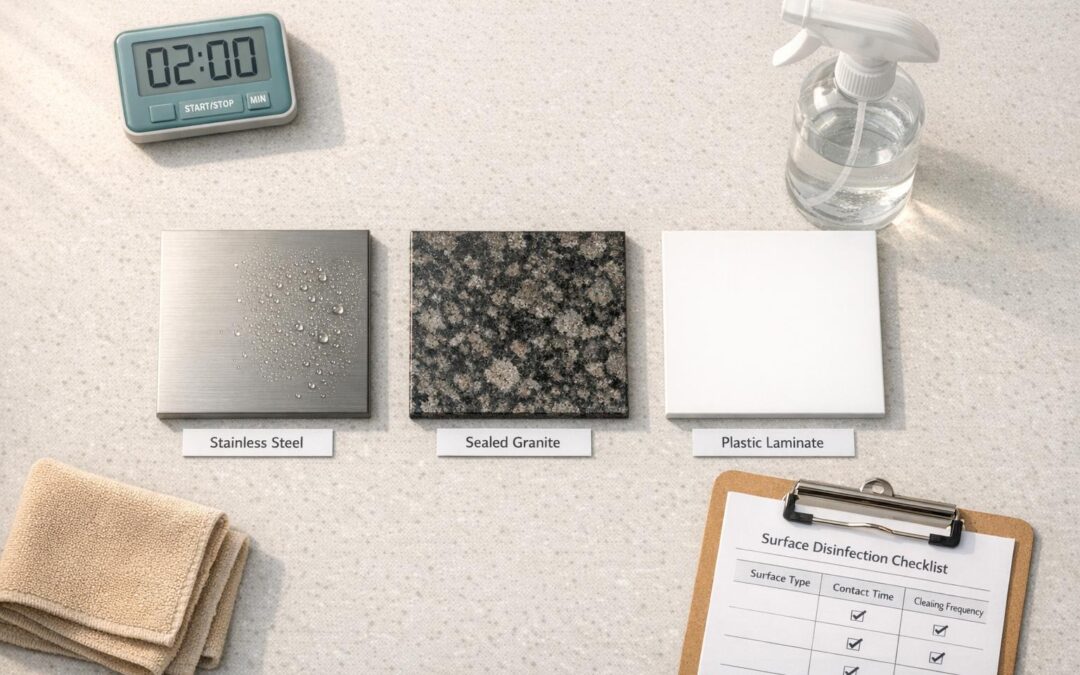
Keeping surfaces clean isn’t always as simple as spraying and wiping. Different materials respond differently to surface disinfection methods, and small details like contact time can make a meaningful difference. A hard, non-porous counter may respond well to UV light or chemical spray, while fabric or porous materials often need more care and may still produce lower expected results.
Why Conditions Matter
This checker helps you estimate how effective your routine may be by looking at the method used, the surface involved, how long the treatment stays in contact, and how often cleaning happens. That combination gives a more realistic picture than relying on one factor alone. Even a strong disinfecting approach can underperform if it’s used too quickly or on a material that limits coverage.
A Smarter Way to Compare Methods
Using a surface disinfection effectiveness checker can help you spot issues before they become habits. It’s useful for comparing UV light, wipes, steam, and chemical sprays across common household or workplace surfaces. The result is a clear percentage estimate paired with context, so you can understand what may be helping or reducing performance. For best results, treat this as a planning tool and always follow product labels and manufacturer recommendations for safe, proper surface disinfection.
FAQs
Is this tool a replacement for official disinfection guidance?
No. This checker is meant to give you a practical estimate, not a safety certification or medical recommendation. Real effectiveness depends on many variables, including the product used, soil level on the surface, application technique, and whether the disinfectant is approved for that material. Always read and follow the manufacturer’s instructions and any relevant public health guidance.
Why does contact time matter so much?
Contact time is one of the biggest factors in disinfection. Many products need to remain visibly wet on a surface for a specific number of minutes to work as intended. If the surface dries too quickly or is wiped off too soon, the disinfectant may not reach its expected performance. That’s why the tool boosts scores for longer contact time and lowers them when the time is very short.
Why are some methods less effective on fabric or porous surfaces?
Porous and fabric surfaces are harder to disinfect consistently because liquids, particles, and microbes can settle below the surface. Methods like UV light also work best when they have direct exposure and fewer obstructions. On uneven or absorbent materials, coverage can be less reliable, which is why the estimated effectiveness is usually lower than it is on hard, non-porous surfaces.
Recent Comments