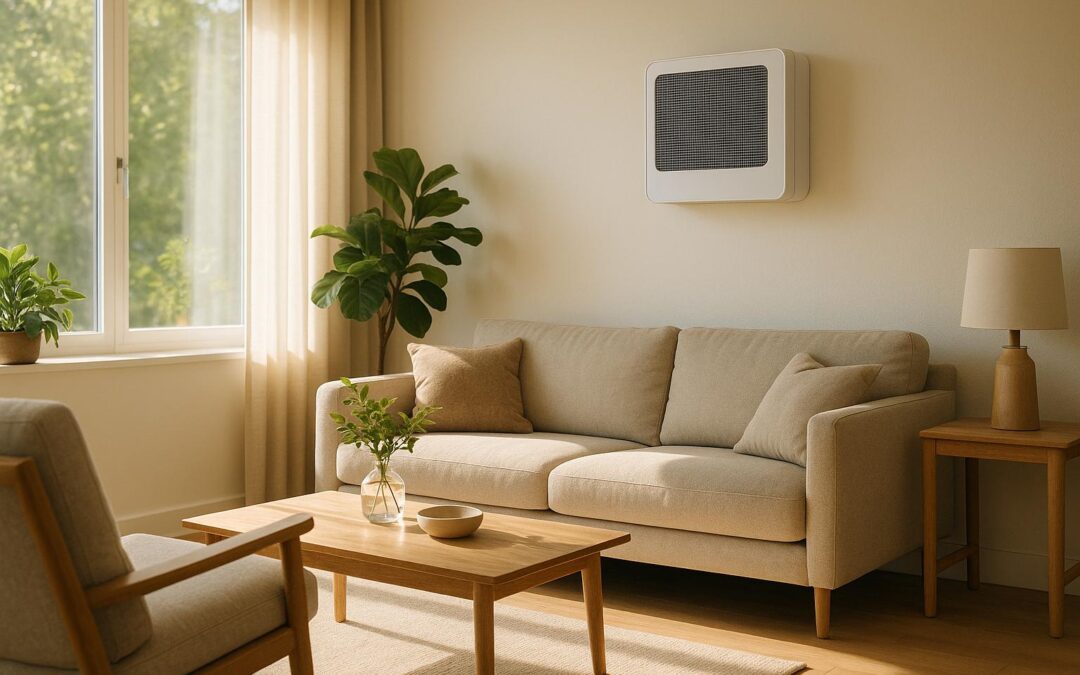
Hydroxyl systems are air purification devices that eliminate pathogens, odors, and harmful compounds while being safe for use around people, pets, and plants. These systems work by producing hydroxyl radicals through a UV light reaction with water vapor and oxygen, achieving a 99.99% kill rate against bacteria, viruses, and fungi. Unlike ozone generators, hydroxyl systems can operate continuously in occupied spaces without evacuation. They are used in homes, healthcare facilities, disaster recovery, and even vehicles, offering a chemical-free solution for cleaner air.
Key Points:
- Safety: Approved for use in occupied spaces; ozone levels stay below OSHA limits.
- Effectiveness: Neutralizes pathogens, VOCs, and odors at a molecular level.
- Applications: Suitable for homes, offices, hospitals, vehicles, and post-disaster cleanup.
- Comparison: Unlike ozone generators, hydroxyl systems purify air without requiring evacuation.
Hydroxyl systems provide a reliable way to improve air quality without disrupting daily life. Proper equipment selection, placement, and operation are essential for optimal performance.
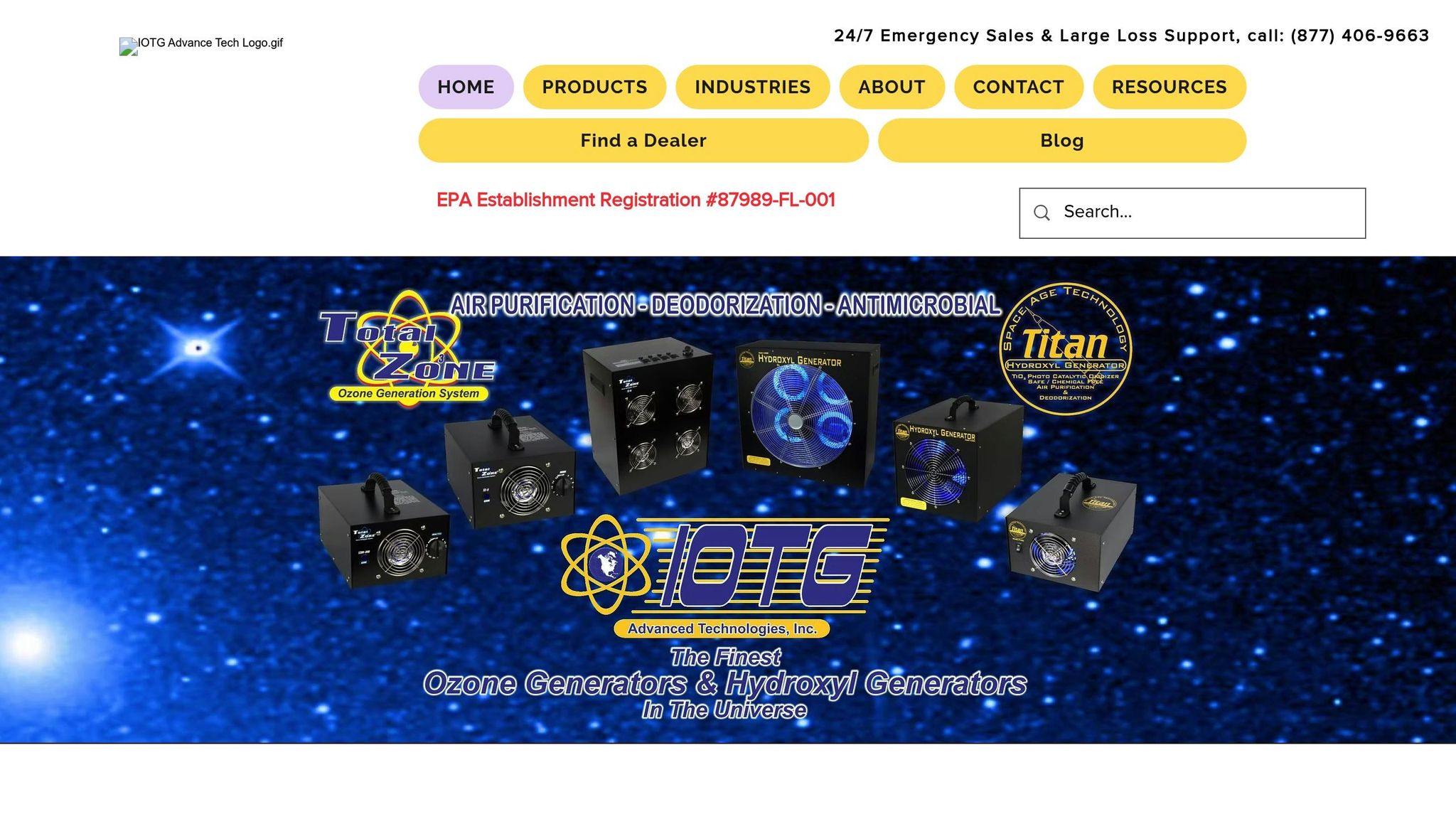
Titan Hydroxyl Generator Instructional Video
How Hydroxyl Generators Work
Hydroxyl generators replicate a natural reaction that occurs in the Earth’s atmosphere, where UV light interacts with water vapor and oxygen to produce hydroxyl radicals (•OH). These radicals are nature’s cleanup crew, breaking down harmful organic and inorganic compounds in the air and on surfaces. By mimicking this process indoors, hydroxyl generators provide a continuous purification system that’s safe to use in spaces where people live and work.
The core of this technology lies in UV light triggering a reaction between ambient moisture and oxygen, producing hydroxyl radicals. These radicals are highly reactive, quickly neutralizing odors, volatile organic compounds (VOCs), mold spores, and bacteria.
What’s particularly remarkable about hydroxyl radicals is their fleeting existence – they have a half-life of less than one second. This means they break down almost immediately after forming, ensuring they don’t accumulate to harmful levels while still effectively purifying the space.
When hydroxyl radicals encounter contaminants like odor molecules or pathogens, they break them apart at the molecular level. By stripping electrons and dismantling the structure of these harmful compounds, the radicals convert them into harmless byproducts such as carbon dioxide and water vapor. This process leaves no toxic residue and achieves a 99.99% kill rate against pathogens like bacteria, viruses, and fungi. The combination of effectiveness and safety makes this technology suitable for occupied spaces.
The Chemistry of Hydroxyl Radicals
The science behind hydroxyl generators is both simple and powerful. UV light at specific wavelengths breaks molecular bonds in water vapor, releasing hydroxyl radicals into the air. Commercial systems can produce around 2,000,000 hydroxyl radicals per cubic centimeter, ensuring a steady flow of these cleaning agents throughout the area being treated.
Hydroxyl radicals are significantly more reactive than ozone, allowing them to neutralize a wider range of VOCs and odors. Their rapid reactivity ensures that contaminants are oxidized almost instantly, leaving behind only harmless byproducts.
Another key advantage is their safety. While hydroxyl radicals are highly effective against microorganisms like bacteria, mold, viruses, and fungi, they are harmless to humans, animals, and plants. This is because living organisms have naturally adapted to coexist with hydroxyl radicals in the environment.
In real-world scenarios, independent tests have demonstrated the effectiveness of hydroxyl generators. For example, in post-fire environments with elevated VOC levels, these systems reduced contaminant levels significantly in under eight hours. The byproducts measured during these tests were in the low parts-per-billion range, far below OSHA’s safety thresholds. This explains why hydroxyl generators can be safely used in occupied spaces, unlike ozone systems.
Hydroxyl Generators vs. Ozone Generators
The key difference between hydroxyl and ozone generators lies in safety during operation. Hydroxyl generators can be used safely in spaces with people, pets, and plants present. In contrast, ozone generators require the area to be vacated during use, as high ozone concentrations can cause respiratory irritation, coughing, and shortness of breath.
While hydroxyl generators produce a small amount of ozone as a byproduct, studies – such as a 13-week toxicity test conducted under FDA Good Laboratory Practice standards – show no adverse effects when the equipment is used as directed. Properly sized and installed systems keep ozone levels well below OSHA’s permissible exposure limits.
Ozone generators may work faster for severe odor issues, but their use requires evacuating the space and waiting for the ozone to dissipate. Hydroxyl generators, on the other hand, operate gradually but allow for continuous occupancy. This makes them a safer and more convenient choice for homes, healthcare facilities, and other sensitive environments.
Both technologies have their place in air purification and odor removal. The decision to use one over the other depends on factors like the urgency of the treatment, the type of contaminants, and whether maintaining occupancy is a priority.
Safety Standards and Regulations for Hydroxyl Systems
If you’re thinking about using hydroxyl generators in occupied spaces, it’s important to understand the rules and safety measures that govern their use. These systems are specifically designed to clean the air without causing harm to people, pets, or plants in the area. To ensure this, they must meet strict certification and testing standards.
OSHA and FDA Requirements
When used correctly, hydroxyl generators keep ozone byproducts well below OSHA’s permissible exposure limits. Independent tests have shown that these systems effectively reduce volatile organic compounds (VOCs) and other pollutants, all while keeping ozone levels in the extremely low parts-per-billion range. This makes it safe for people to stay in the treated space during operation, unlike ozone generators, which often require complete evacuation due to their much higher ozone concentrations.
Some systems, like Odorox, have even earned FDA Class II medical device classification, meaning they’ve passed rigorous safety evaluations and are approved for continuous use in spaces such as homes, businesses, and healthcare facilities. This certification highlights their ability to operate safely in occupied environments, a key distinction from ozone generators, which are only approved for use in unoccupied areas due to potential respiratory hazards.
Independent studies reinforce the safety of hydroxyl generators, showing they meet OSHA and FDA guidelines while effectively reducing contaminants to levels safe for humans. This evidence solidifies their role as a safer alternative to ozone-based systems.
Certification and Testing Requirements
Manufacturers of hydroxyl generators must follow strict certification protocols based on OSHA and FDA guidelines. When choosing a system, look for evidence of thorough independent safety testing. Some key factors to check include:
- Verified production of approximately 2,000,000 hydroxyl radicals per cubic centimeter.
- Toxicity studies conducted under FDA Good Laboratory Practice standards, such as a 13-week study on rats that found no harmful effects.
- Precise measurements of ozone byproducts to confirm compliance with OSHA limits.
Reputable manufacturers should provide clear documentation proving their devices are safe for use in occupied spaces. This includes confirming minimal ozone byproduct levels, specifying which models are certified, and offering guidelines on the appropriate room sizes each unit can handle. Following these recommendations – such as proper installation, spacing, and monitoring – helps maintain low oxidant concentrations, ensuring a safe environment for everyone.
With over 17 years of demonstrated effectiveness in a wide range of applications, hydroxyl technology has established itself as a reliable and safe option for air purification in spaces where people are present.
sbb-itb-5fea4da
How to Use Hydroxyl Generators Safely in Occupied Spaces
Using hydroxyl generators safely requires selecting the right equipment, placing it correctly, and following proper operational procedures. By doing so, you can enjoy cleaner air without compromising safety.
Selecting the Right Equipment
Choosing the right hydroxyl generator starts with understanding your space and the intensity of the odors you’re dealing with. A unit that’s too small won’t do the job effectively, while one that’s too powerful for a confined area could generate unnecessarily high levels of oxidants.
When shopping for a generator, look for clear documentation from the manufacturer about the unit’s coverage area and recommended room sizes. Verify that the equipment has undergone independent safety testing and has FDA Class II certification. If you’re treating larger spaces or multiple rooms, check for proper spacing recommendations to ensure effective coverage.
Once you’ve selected the right unit, proper installation is key to getting the most out of your investment.
Installation and Placement Guidelines
Where you place your hydroxyl generator can make or break its effectiveness. Proper positioning ensures even air circulation and maximizes safety.
- Central Placement: Position the unit in a central location with unobstructed airflow. Avoid hiding it in corners, closets, or behind furniture where air movement is restricted.
- Clearance: Leave 12–18 inches of space around the unit to promote airflow and prevent overheating.
- Multi-Room Use: For treating multiple rooms, position units to allow natural air movement between spaces. Opening interior doors can help, but remember that a generator designed for a single room won’t cover an entire house.
- Ventilation: In spaces with limited ventilation, use a generator sized appropriately for the room or keep a door slightly open to ensure air exchange.
- Moisture-Prone Areas: While hydroxyl generators work well in humid environments, such as basements or bathrooms, keep the unit dry and away from splashing water to avoid damage.
Operating and Monitoring Your System
To use your hydroxyl generator safely, follow the manufacturer’s instructions and safety labels. These guidelines ensure ozone levels remain well below OSHA’s permissible exposure limits.
- Operating Conditions: Before starting, review the manufacturer’s recommendations for temperature, humidity, and ventilation. Operating outside these parameters can reduce the system’s effectiveness or create safety concerns.
- Treatment Duration: The length of operation depends on the odor’s severity and the space’s size. For tough situations, like post-fire cleanup, hydroxyl generators can significantly reduce contaminants in under 8 hours. For routine odor control, many users run their systems continuously.
- Monitoring: Regularly check the unit for unusual sounds, odors, or performance changes. Track air quality and odor improvements over time – while some odors may disappear quickly, others embedded in porous materials might require days of treatment.
- Occupancy Considerations: Although hydroxyl generators are safe for use around people, pets, and plants, ensure the system runs long enough to address the odor. In homes, this might mean 24/7 operation until the issue is resolved. In commercial spaces, coordinate with facility managers to balance operation during occupied and unoccupied hours.
- Maintenance: Follow the manufacturer’s maintenance schedule. This typically includes cleaning air intake filters and inspecting UV lamps (if applicable) to ensure the generator continues producing the right concentration of hydroxyl radicals.
With over 17 years of proven use in various challenging environments, hydroxyl technology has shown it can reliably improve air quality when used correctly. To get the best results, focus on selecting the right unit, placing it strategically, and operating it diligently.
For expert advice on choosing, installing, and maintaining hydroxyl generators, consult professionals like Ozonated Cleaning LLC (https://ozonatedcleaning.com), who specialize in odor removal and disinfection services in the Chicagoland area.
Where Hydroxyl Systems Work Best
Hydroxyl generators shine in spaces where safety and continuous operation are priorities. Their ability to purify air while people remain present makes them a versatile solution for homes, businesses, healthcare facilities, and even vehicles. Let’s explore the environments where these systems truly excel.
Residential Use: Homes and Apartments
Hydroxyl systems are a game-changer for homes and apartments, especially when it comes to tackling stubborn odors. Whether dealing with lingering smells from previous tenants, pet odors, or musty carpets, these devices go beyond surface-level solutions. They penetrate deep into fabrics and materials to neutralize odors at their source.
Research from Kansas State University highlights the impressive effectiveness of hydroxyl radicals, achieving a 99.99% kill rate against viruses, bacteria, and fungi. Homeowners and renters alike have reported noticeable improvements in air quality and complete odor elimination after using these systems.
But it doesn’t stop at odors. Hydroxyl systems also help improve overall air quality by breaking down mold spores, bacteria, and other microorganisms that can accumulate in living spaces. This dual action – removing odors and reducing pathogens – creates healthier indoor environments without disrupting daily life. These same benefits extend to workplaces and clinical settings, where clean air is equally important.
Commercial and Healthcare Facilities
In busy commercial and healthcare environments, maintaining clean air can feel like a constant battle. Offices, hotels, retail spaces, hospitals, and clinics are all prone to air quality issues due to high foot traffic, shared spaces, and the need for uninterrupted operations. This is where hydroxyl systems step in.
In commercial settings, these generators eliminate odors caused by biological sources while also targeting bacteria, mold, and viruses that circulate through HVAC systems or settle on surfaces. The 99.99% pathogen kill rate ensures a level of sanitation that traditional cleaning methods can’t match, especially in spaces where chemical residues could pose risks.
Healthcare facilities, in particular, benefit from the continuous operation of hydroxyl systems. They reduce airborne pathogens and surface contaminants without requiring patients or staff to evacuate. This makes them an essential tool for environments serving vulnerable populations, where maintaining safe air quality is critical.
After natural disasters like floods, hurricanes, or wildfires, hydroxyl generators are invaluable for remediation in occupied spaces. These systems clean and deodorize air and surfaces by breaking down odor molecules and pathogens at their source. Studies have shown that hydroxyl generators can significantly reduce contaminants in post-fire environments in less than 8 hours.
Their ability to run safely while people remain in the space allows other remediation efforts to continue simultaneously, speeding up recovery times. Plus, the ease of deploying multiple units across affected areas without setup delays makes them a practical choice during disaster recovery.
Vehicles, RVs, and Boats
Confined spaces like cars, RVs, and boats often face unique odor challenges. Limited ventilation, moisture, and compact interiors can lead to persistent smells from smoke, mildew, food, or even previous owners. Hydroxyl systems are highly effective in these settings.
These devices don’t just mask odors – they destroy the molecules causing them. With the same 99.99% kill rate against bacteria, mold, and fungi, hydroxyl systems address the root cause of odors. This makes them far more effective than traditional air fresheners, which only provide temporary relief.
For RVs and boats, where moisture can lead to mold and mildew, hydroxyl generators offer ongoing air quality maintenance. They operate safely while the vehicle is in use, making them ideal for long trips or preparing for seasonal storage. The chemical-free process leaves no residue or lingering scents – just clean, fresh air.
If you’d rather leave it to the pros, companies like Ozonated Cleaning LLC offer vehicle deodorizing services starting at $150 per vehicle and semi-truck sanitization at $200 per truck. These services, available in the Chicagoland area, cover cars, RVs, boats, and commercial vehicles.
Compact and easy to use, hydroxyl generators fit seamlessly into vehicles and provide safe, effective odor elimination. Whether you’re freshening up a used car, maintaining air quality in your RV, or tackling mildew in your boat, these systems deliver reliable results without the risks often associated with other methods. This versatility underscores their value across a range of environments, ensuring clean air wherever it’s needed most.
Conclusion: Safe and Effective Hydroxyl System Use
Hydroxyl technology has emerged as a powerful tool for odor elimination and air purification in occupied spaces. It boasts an impressive 99.99% kill rate against viruses, bacteria, and fungi, all while being safe for people, pets, and plants. Unlike other methods that might require evacuation due to health risks, hydroxyl generators deliver effective results without disrupting daily life.
To ensure successful outcomes, proper application is key. Using certified equipment that complies with OSHA’s permissible exposure limits guarantees safety for occupants during treatment, as validated by independent testing. Additionally, choosing the right unit and maintaining proper air circulation are critical for achieving optimal performance.
Placement and spacing also play a significant role in maintaining low oxidant levels. When used correctly, hydroxyl systems can reduce contaminants in under 8 hours, making them ideal for both routine use and emergency situations.
Hydroxyl generators are versatile, suitable for residential, commercial, healthcare, and even vehicle applications. Their ability to operate continuously without interrupting daily activities makes them a standout choice compared to traditional methods. Plus, they offer a chemical-free approach that aligns with sustainability goals.
For those in the Chicagoland area, Ozonated Cleaning LLC (https://ozonatedcleaning.com) provides professional hydroxyl and ozone treatments tailored to various needs – from homes to commercial vehicles.
FAQs
Are hydroxyl systems safe to use around people, and how do they compare to ozone generators?
Hydroxyl systems are a great option for spaces where people are present because they are safe to use continuously without posing health risks. This makes them ideal for ongoing odor neutralization in occupied areas. On the other hand, ozone generators cannot be used around people. They come with potential health hazards and require the area to be vacated during treatment.
Ozonated Cleaning combines both hydroxyl and ozone technologies to tackle odor removal and sanitization effectively. The choice between these methods depends on the specific requirements of the space and the safety of those within it.
What are hydroxyl systems best used for, and how do they help maintain air quality in occupied spaces?
Hydroxyl systems offer a powerful solution for tackling odors and enhancing air quality in spaces where people live and work. By targeting odors at their root and breaking down harmful pollutants like bacteria, mold, and allergens, these systems help create a safer and more comfortable environment.
Perfect for a variety of settings – like homes, commercial spaces, vehicles, RVs, and boats – hydroxyl systems are designed to operate safely even when the area is occupied. They continuously treat both air and surfaces without releasing harmful byproducts, ensuring a consistently fresh and clean atmosphere.
How can I safely and effectively choose and install a hydroxyl generator for use in occupied spaces?
When choosing a hydroxyl generator, it’s important to go for models specifically designed for use in spaces where people are present. These units are built to operate safely without releasing harmful ozone levels. Always review the manufacturer’s specifications and safety certifications to confirm they meet industry standards. Placement matters – position the generator in a spot with good airflow to enhance its ability to neutralize odors and sanitize effectively.
For installation, stick closely to the manufacturer’s instructions. Make sure the unit’s intake and exhaust vents are not blocked, and place it on a stable surface to avoid any issues. Routine upkeep, like cleaning filters and checking components, is essential to keep the generator running efficiently and safely.
Recent Comments