
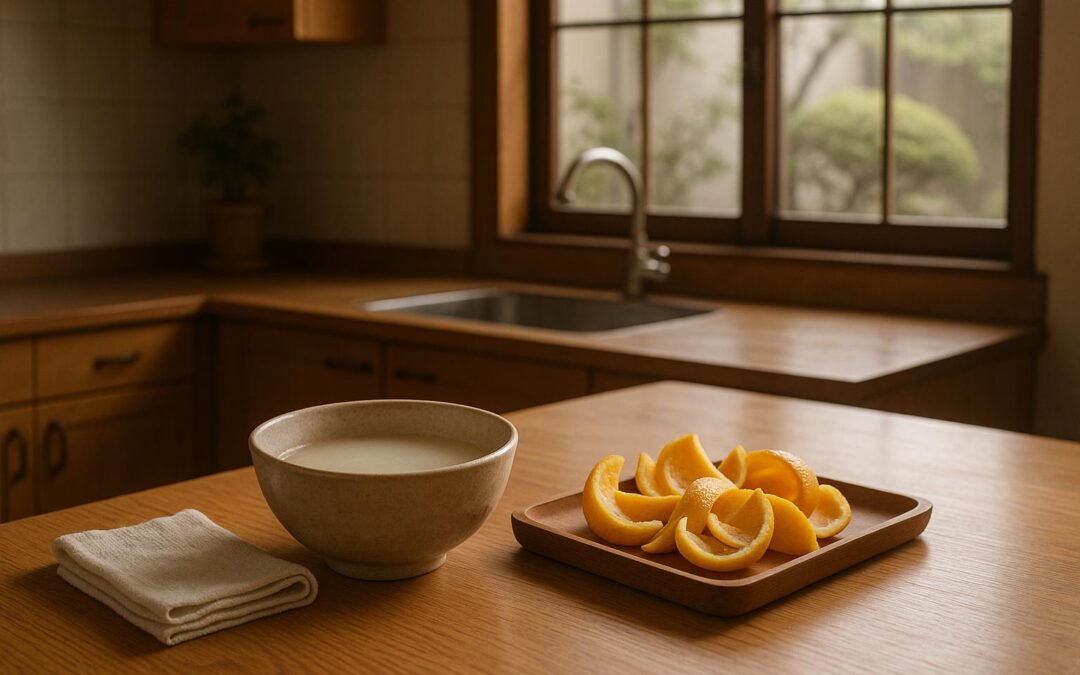
Transforming your home into a sanctuary of peace, cleanliness, and health doesn’t have to rely on harsh chemicals or expensive products. The Japanese cleaning philosophy, deeply rooted in mindfulness and minimalism, offers transformative techniques that focus on natural, eco-friendly ingredients and daily rituals. These techniques, passed down through generations, not only maintain a clean home but also foster a sense of gratitude, calm, and connection with your living space.
Whether you’re a homeowner, business owner, or someone looking for a more natural and effective way to tackle lingering odors or maintain cleanliness, these seven Japanese cleaning secrets are guaranteed to inspire and revitalize your approach to cleaning.
The Power of Ritual: Cleaning as a Daily Meditation
In Japan, cleaning is more than a chore – it is a meaningful daily ritual that fosters mindfulness and tranquility. Unlike the typical approach of saving cleaning for one exhausting day each week, the Japanese method encourages dedicating just a few minutes every day to clean one small area of your home.
For example, gently dust your bedside table or wipe down your kitchen counter while reflecting on what you’re grateful for. This practice transforms cleaning into a meditative experience, helping to calm your mind and relax your body. Japanese elders often liken this routine to a form of yoga, as the mindful movements gently stretch the body while cleaning the home.
By incorporating this practice, your home evolves into more than a physical space – it becomes a sanctuary of peace and gratitude, radiating positive energy.
Rice Water: A Natural, Multi-Purpose Cleaner
In traditional Japanese homes, even the byproducts of food preparation are put to good use. For example, the cloudy water left after rinsing rice, known as kome no togijiru, is revered as a powerful natural cleaning agent.
Rice water contains enzymes and starch that effectively break down grease and grime, while its vitamins leave surfaces shining. Here’s how you can use rice water in your home:
- Kitchen Counters: Dip a cloth in fresh rice water and gently wipe down counters to dissolve grease and food stains.
- Cloudy Glassware: Soak glass items in rice water for 10 minutes to restore their sparkle.
- Wooden Floors: Mix rice water with warm water to nourish and clean wood without damaging its surface.
- Mirrors and Windows: Use rice water for streak-free cleaning, leaving behind a natural shine without harmful residues.
For an added touch, store rice water in spray bottles and infuse it with a few drops of essential oils, like lavender or lemon, for a naturally fragrant and eco-friendly solution.
Citrus Peels: Waste Not, Want Not
In Japanese homes, citrus peels from fruits like oranges, lemons, and yuzu are never wasted. These peels are transformed into potent cleaners and air fresheners, thanks to their natural oils and acidity.
To create an all-purpose citrus cleaner:
- Fill a glass jar with citrus peels and cover them with white vinegar.
- Let the mixture sit in a dark place for two weeks, shaking occasionally.
- Strain the liquid and pour it into a spray bottle.
This cleaner works wonders on soap scum, greasy stovetops, and sticky surfaces – all while leaving a refreshing citrus scent behind. Additionally, dried citrus peels can be used as natural moth repellents in closets or added to bathwater for a soothing, spa-like experience.
Sweeping as a Mindful Practice
The traditional Japanese approach to sweeping elevates this simple task into an art form. Instead of relying on noisy vacuum cleaners, many Japanese families use handcrafted hokki brooms made from natural grasses.
Unlike vacuuming, sweeping with a natural broom is a quiet, meditative activity. The repetitive, rhythmic motion promotes mindfulness, calms the mind, and provides gentle exercise. Japanese elders often claim that sweeping helps them think clearly and even discover creative solutions to problems.
For best results, sweep lightly and intentionally, using smooth, flowing movements. This technique not only protects delicate flooring but also picks up fine dust that vacuums might overlook.
The Sacred Power of Water and Gratitude
In Japanese culture, water symbolizes purity and renewal. Traditional Japanese cleaning methods often require nothing more than a bowl of warm water, a soft cloth, and a heart full of gratitude.
This practice, inspired by Buddhist temple cleaning rituals, emphasizes appreciating the simple act of cleaning. As you wipe your surfaces, think about the purpose and joys they bring to your life – whether it’s a table that holds family dinners or a window that lets in natural light.
This method is especially effective for delicate surfaces like picture frames and lampshades, as the gentle touch of water ensures no damage. Most importantly, cleaning in this way fosters a deeper connection with your home and a sense of inner peace.
Danshari: The Art of Letting Go
Decluttering is central to Japanese cleaning philosophies, and the practice of danshari focuses on intentionally letting go of possessions that no longer serve you. This process is especially valuable for those who feel overwhelmed by clutter.
Rather than tackling your entire home at once, focus on one small area, such as a single drawer or shelf. As you evaluate each item, ask yourself:
- Does this bring me joy or stress?
- Do I use this regularly?
- Am I keeping this out of guilt or genuine need?
By choosing to keep only items that add value to your life, you create a home filled with peace and purpose. Japanese elders often note that practicing danshari helps them feel lighter, more energetic, and less burdened by material possessions.
Embrace Natural Materials
Traditional Japanese cleaning tools, like bamboo brushes and cotton cloths, are not only eco-friendly but also enhance the cleaning experience. These materials are gentle on surfaces and skin, and they develop a beautiful patina over time, becoming more effective with age.
Here are a few natural swaps to consider for your cleaning routine:
- Replace plastic sponges with bamboo scrub brushes.
- Use soft cotton rags instead of paper towels.
- Store homemade natural cleaners in glass bottles rather than plastic.
Natural tools not only last longer but also provide a sensory connection to the environment, turning cleaning into a more sustainable and joyful experience.
Key Takeaways
- Daily Cleaning Rituals: Dedicate a few mindful minutes each day to clean a small area, fostering peace and gratitude.
- Rice Water Magic: Use leftover rice water to clean surfaces, floors, windows, and glassware naturally.
- Citrus Peel Cleaners: Transform citrus peels into powerful, eco-friendly cleaning solutions and air purifiers.
- Mindful Sweeping: Swap noisy vacuums for natural brooms to make sweeping a calming, meditative experience.
- Water and Gratitude: Clean with warm water and mindfulness to nurture both your home and your spirit.
- Decluttering with Purpose: Practice danshari to create a clutter-free home that supports your happiness.
- Natural Tools: Invest in sustainable, natural cleaning materials like bamboo brushes and cotton cloths for a gentler approach.
Conclusion
The Japanese approach to cleaning teaches us that maintaining a healthy, odor-free home doesn’t require harsh chemicals or expensive solutions. Instead, it’s about embracing simplicity, mindfulness, and gratitude. By incorporating these traditional techniques into your routine, you’ll not only create a cleaner environment but also foster a deeper connection with your space.
Start small – whether it’s saving rice water or dedicating five mindful minutes to clean a cherished corner of your home. With these timeless practices, you’ll transform cleaning from a mundane task into a meaningful, restorative ritual.
Your home isn’t just a space – it’s a reflection of care, gratitude, and harmony. Happy cleaning!
Source: "7 Japanese Cleaning Secrets for a Calm, Eco-Friendly Home | Cleaning Tips" – Seniors Cleaning Hacks, YouTube, Aug 31, 2025 – https://www.youtube.com/watch?v=OKfbpiX3B6I
Use: Embedded for reference. Brief quotes used for commentary/review.
Recent Comments