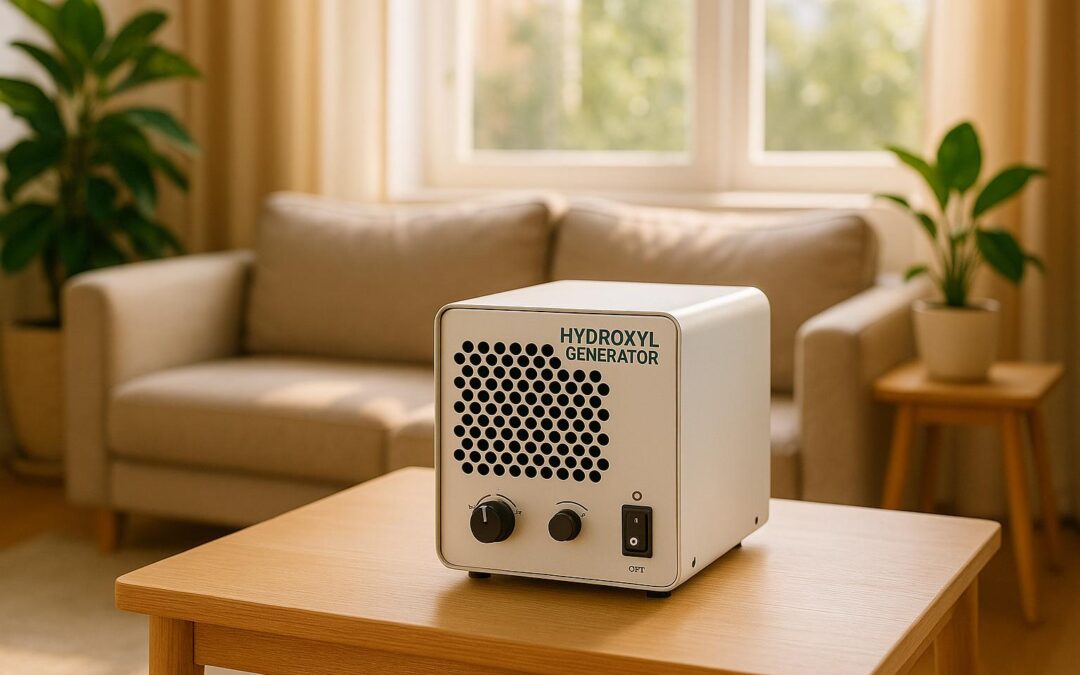
Hydroxyl generators are a safe and efficient solution for improving indoor air quality. They replicate a natural process to eliminate odors, allergens, and pathogens like bacteria, mold, and viruses. Unlike ozone generators, they are safe for use in occupied spaces and won’t damage materials or surfaces. These devices are low-maintenance, energy-efficient, and capable of treating large areas, making them suitable for homes, businesses, hospitals, and more.
Key Features:
- Air Purification: Breaks down pollutants at a molecular level, ensuring cleaner air.
- Safe for Occupied Spaces: Operates without harm to people, pets, or plants.
- Odor and Allergen Removal: Neutralizes odors and reduces allergens like mold and pollen.
- Low Maintenance: Requires minimal upkeep with occasional UV lamp replacement.
- Material-Friendly: Won’t damage furniture, electronics, or other belongings.
Hydroxyl generators offer a practical way to maintain clean air without using harmful chemicals or requiring frequent filter replacements.
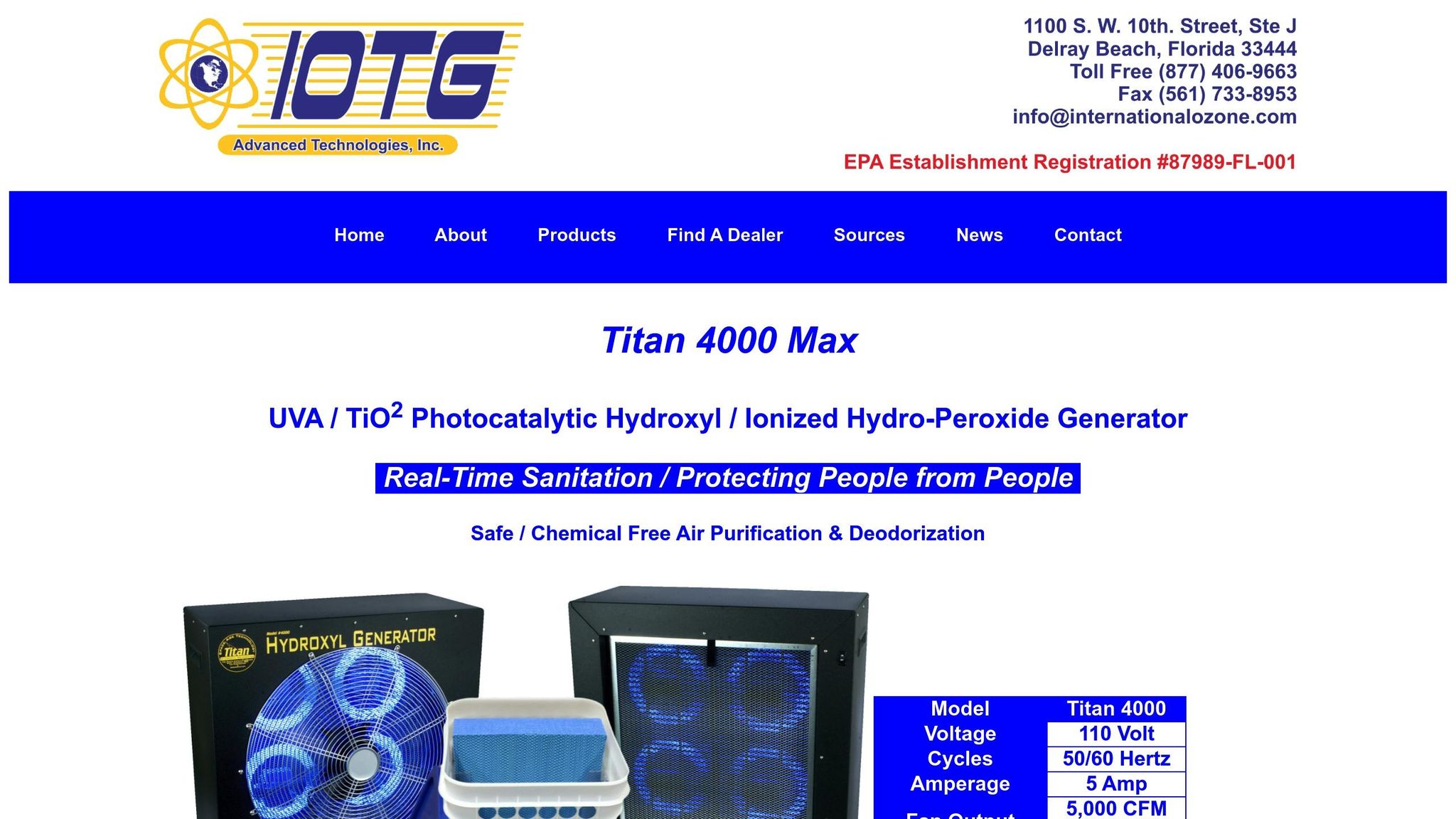
How to Eliminate Severe Odors in Occupied Areas – Titan 4000 Hydroxyl Generator
1. Air Purification with Hydroxyl Radicals
Hydroxyl radicals are a game-changer when it comes to cleaning the air. These molecules work by breaking down contaminants at the molecular level, turning them into harmless substances. Here’s how it works: when UV light interacts with water vapor and oxygen inside a hydroxyl generator, it creates these highly reactive oxidizers. These radicals then actively seek out and neutralize harmful particles in the air.
The process itself is pretty straightforward yet powerful. Hydroxyl radicals strip electrons from pollutant molecules, breaking them down into carbon dioxide and water vapor. This isn’t just about trapping or masking pollutants – these molecules are completely destroyed, ensuring your indoor air is genuinely clean. It’s a continuous, thorough approach to air purification.
Research from Kansas State University highlights just how effective hydroxyl radicals are, achieving a 99.99% kill rate against a range of pathogens, including viruses, bacteria, and fungi. Their strength lies in their potent oxidizing power, which not only neutralizes these harmful microorganisms but also stops them from reproducing.
What makes hydroxyl radicals even more impressive is their non-selective action. They target volatile organic compounds (VOCs), mold spores, bacteria, viruses, and even odor-causing molecules like smoke or pet smells. Instead of just covering up odors or trapping particles, they eliminate pollutants right at the source.
Another advantage is their ability to work continuously. Unlike traditional air purifiers that rely on air passing through a filter, hydroxyl radicals spread throughout the entire space. They reach places conventional methods might miss – corners, fabrics, and surfaces – providing consistent, round-the-clock purification.
Modern systems, like the HG-1500, take this technology to the next level. These models use twin hydroxyl chambers alongside carbon filters, making them particularly effective for both residential and commercial spaces in the U.S..
Best of all, this purification method leaves no harmful residues or chemical byproducts behind. The result? Clean, fresh air that feels as pure as the outdoors.
2. Safe Operation in Occupied Spaces
Hydroxyl generators are designed to purify air safely while people, pets, and plants remain in the space. This makes them stand out from other air purification systems that often require the area to be cleared during operation. Their ability to function without disruption highlights why hydroxyl technology is a trusted choice for maintaining indoor air quality.
The safety of hydroxyl generators lies in the natural behavior of hydroxyl radicals. These radicals occur naturally in the environment, and humans have evolved to coexist with them, making it completely safe to breathe air containing these molecules. This natural compatibility eliminates health concerns associated with their presence.
In contrast, ozone generators – another type of air purifier – release ozone, which can irritate the respiratory system and requires spaces to be vacated during use. Hydroxyl generators, however, produce no harmful byproducts. The radicals they generate break down quickly and do not accumulate to unsafe levels indoors. This ozone-free process aligns with strict U.S. safety standards.
Hydroxyl generators comply with rigorous safety certifications, including UL, ETL, and FDA Type II standards. These devices use specific UV wavelengths (usually 254 nm) and advanced photocatalytic technology to create hydroxyl radicals without producing ozone. To ensure safety, manufacturers incorporate features like ozone-free UV lamps, solid-state timers, and circuit protection systems. These precautions meet the highest industry safety benchmarks.
These generators are versatile and can be used in a wide range of settings, such as hotels, offices, schools, hospitals, nursing homes, daycares, vehicles, boats, and residential homes. They are ideal for environments requiring odor removal or air purification without interrupting normal activities. For instance, the Newaire HG2500 is specifically designed for safe use in occupied spaces like hospitals and schools.
With hydroxyl generators, air purification happens seamlessly. There’s no need to evacuate an office, remove pets from a home, or relocate patients in a healthcare facility. They allow continuous treatment while daily routines carry on without interruption.
3. Odor and Allergen Removal
Hydroxyl generators don’t just clean the air – they actively tackle odors and allergens, offering a solution far beyond what traditional air fresheners or filters can achieve. Instead of masking smells with synthetic fragrances, these devices break down odor-causing compounds at their molecular core, leaving the air genuinely clean and fresh. This means they can handle everything from everyday odors to allergens that trigger sensitivities.
Hydroxyl radicals interact with volatile organic compounds (VOCs), smoke, pet odors, cooking smells, and chemical residues. By breaking these down at the molecular level, they don’t just cover up odors – they completely eliminate them. Whether it’s lingering smells from last night’s dinner, a damp basement, or pet-related odors, hydroxyl generators can neutralize them effectively.
Allergen reduction is another standout benefit. These devices target common culprits like mold spores, pollen, and dust mite debris. Beyond allergens, hydroxyl radicals also attack bacteria and viruses, which can improve respiratory health for those sensitive to indoor air quality.
Their ability to combat biological contaminants is particularly noteworthy. Hydroxyl radicals destroy fungi and mold at the cellular level, helping to reduce allergens and create a cleaner, healthier indoor space. This is especially beneficial for those with mold allergies or sensitivities.
Unlike chemical-based odor removers or air purifiers that rely on filters, hydroxyl generators actively neutralize contaminants rather than simply trapping or masking them. This makes them a more effective, chemical-free option for improving air quality over the long term.
Another advantage? These devices can run continuously, treating areas up to 3,000 square feet or more. They’re perfect for spaces with ongoing odor challenges or high allergen levels, such as kitchens, pet areas, basements, or homes recovering from water damage or fire.
For households battling persistent odors or chronic allergy issues, hydroxyl generators offer a low-maintenance, chemical-free solution that addresses both immediate concerns and long-term air quality needs.
4. Low Maintenance and Energy Use
Hydroxyl generators stand out for their ease of use and low upkeep. Unlike traditional air purifiers that rely on frequent filter replacements or chemical refills, these devices are designed to operate with minimal intervention.
Maintaining these units is straightforward. Most require cleaning the UV lamp and housing every 3–6 months. There are no recurring costs for filters or chemicals, and the UV lamp – typically replaced every 8,000 to 12,000 hours (about 1 to 1.5 years) – costs between $50 and $150. This makes maintenance both predictable and affordable.
Energy efficiency is another big advantage. These generators usually consume 50–200 watts, which is comparable to running a standard light bulb or a small appliance. For instance, a 100-watt unit operating 24/7 costs roughly $11.50 per month, based on the average U.S. electricity rate of $0.16 per kWh. Including occasional lamp replacements, total annual operating costs generally stay under $150. This level of efficiency can lead to significant savings, especially in commercial environments.
Take, for example, a hotel that switched from traditional air purifiers to hydroxyl generators. The change reduced maintenance time by over 80% and saved $300 per unit annually due to lower energy use and the elimination of consumable parts. These savings emphasize the importance of proper placement and regular care.
To ensure reliable performance, choose models with durable construction and high-quality UV lamps. Position the generator in areas with good airflow, and stick to the manufacturer’s recommended maintenance schedule.
With their low maintenance needs and energy efficiency, hydroxyl generators offer a cost-effective way to maintain indoor air quality over the long term. Their design and functionality make them a practical choice for both residential and commercial spaces.
sbb-itb-5fea4da
5. Safe for Materials and Surfaces
Keeping your belongings intact while improving air quality is just as important as eliminating odors and harmful particles. That’s where hydroxyl generators shine. These devices provide a gentle yet effective solution for air purification, ensuring your furniture, electronics, fabrics, and other household items remain unharmed during operation.
Hydroxyl radicals work by targeting airborne contaminants, leaving solid surfaces untouched. This means they won’t chemically interact with or degrade your belongings. Whether it’s delicate fabrics, high-end electronics, or priceless artwork, you don’t have to worry about discoloration, corrosion, or material damage when using a hydroxyl generator[3,4].
In contrast, traditional ozone generators are a different story. Due to their highly reactive nature, ozone can oxidize and damage materials like rubber, plastic, fabrics, and even electronic components[3,4,11]. Hydroxyl generators, however, focus solely on airborne pollutants and avoid producing high levels of reactive ozone or other harsh chemicals[3,4,11].
Another advantage of hydroxyl generators is their clean operation. They produce only water and carbon dioxide as by-products, both of which are completely harmless. This means no residues or unwanted deposits will accumulate on your surfaces[3,4].
This material-friendly operation makes hydroxyl generators an excellent choice for sensitive environments. Whether it’s a museum filled with priceless artifacts, an office equipped with expensive technology, or a home with cherished possessions, these devices provide continuous air purification without the risk of damage. For example, the OS3000H hydroxyl generator is designed for spaces up to 3,000 square feet and is specifically safe for use in occupied settings with various furnishings and electronics.
To sum up the differences, here’s a quick comparison:
| Feature | Hydroxyl Generators | Ozone Generators |
|---|---|---|
| Safety for Materials | Safe for all surfaces | Can damage rubber, plastics, electronics, fabrics |
| Use in Occupied Spaces | Yes | No (not approved by EPA) |
| By-products | Harmless (water, CO₂) | Harmful ozone, possible residues |
| Surface Residue | None | Potential deposits and odors |
Hydroxyl generators offer peace of mind with their ability to run continuously without requiring you to move furniture, cover electronics, or relocate sensitive items[4,8]. This combination of material safety and effective air purification makes them a dependable choice for maintaining long-term air quality.
6. Professional Applications by Ozonated Cleaning LLC
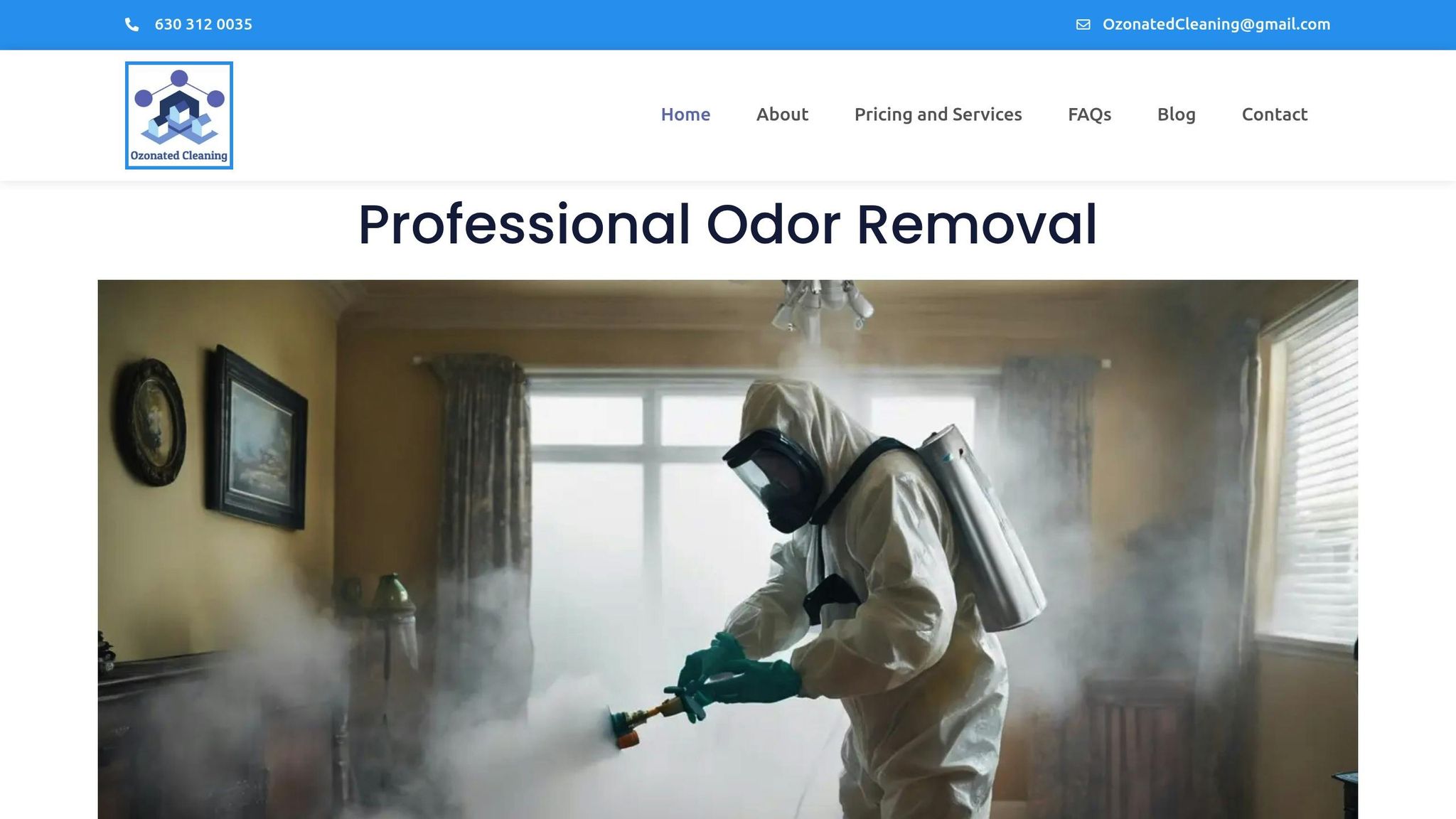
Ozonated Cleaning LLC demonstrates how hydroxyl technology can effectively tackle air quality issues across the Chicagoland area. Their services cater to both residential and commercial spaces, offering tailored solutions that bring the benefits of hydroxyl technology to real-world challenges.
For residential clients, treatments range from $600 to $900, addressing stubborn odors like those caused by tenants, mustiness, carpets, and pets. Customers frequently report the complete removal of unpleasant smells left behind by previous occupants, along with relief from other persistent household odors.
Their expertise extends beyond homes to commercial spaces and vehicles. In commercial settings, they treat offices, retail spaces, and more, ensuring cleaner air without disrupting day-to-day activities. The safety of hydroxyl generators makes them ideal for use in occupied environments, offering a safer alternative to chemical-based treatments. For vehicles, services include deodorizing at $150 per vehicle and sanitizing semi-trucks for $200 each.
Ozonated Cleaning LLC capitalizes on the power of hydroxyl radicals, which boast a 99.99% effectiveness rate in eliminating bacteria, mold, and other contaminants. This dual-action approach purifies both air and surfaces while maintaining safety and efficiency. Their method ensures that treatments can proceed without requiring occupants to leave the space.
What truly sets Ozonated Cleaning LLC apart is their combined use of hydroxyl and ozone treatments. By addressing airborne contaminants and surface-level issues simultaneously, they deliver comprehensive results. Clients consistently praise their professionalism and punctuality, often describing treated spaces as "fresh, clean, and free from lingering smells, providing a healthier and more pleasant environment for you and your guests".
For larger or more complex projects, they offer flexible pricing to meet unique needs. This adaptability allows them to scale their services to handle diverse air quality challenges across homes, businesses, and vehicles, ensuring every space gets the attention it requires.
Comparison Table
Choosing the right air purification technology depends on understanding how different systems compare in terms of safety, maintenance, and effectiveness. Below, we break down the key differences among popular air purification methods to help you make an informed decision.
One major distinction lies in operational safety. Hydroxyl generators are safe to use in occupied spaces, while ozone generators require complete evacuation during use because of their highly reactive properties.
Maintenance is another area where these technologies differ. Hydroxyl generators require minimal upkeep, usually just occasional cleaning and infrequent UV lamp replacements. On the other hand, HEPA filters and activated carbon systems involve frequent filter changes, which can significantly increase maintenance costs over time.
| Technology | Safety in Occupied Spaces | Maintenance Requirements | Odor Removal | Energy Efficiency | Material Safety |
|---|---|---|---|---|---|
| Hydroxyl Generators | Safe | Minimal – occasional UV lamp replacement | Excellent – breaks down odor molecules at a molecular level | High – minimal operating costs | Safe for all materials |
| Ozone Generators | Unsafe – requires evacuation | Moderate – periodic cleaning and monitoring | Excellent – highly reactive | Moderate | Can damage rubber, fabrics |
| HEPA Filters | Safe | High – frequent filter changes | Good for particles; limited for odors | Moderate – ongoing filter costs | Safe |
| Activated Carbon | Safe | High – regular filter replacement | Good for some odors and chemicals | Moderate – ongoing filter costs | Safe |
| UV-C Purifiers | Safe when properly shielded | Low – occasional lamp replacement | Limited effectiveness | Moderate | Safe |
Hydroxyl generators are particularly energy-efficient, with low operating costs over time. Although their initial cost may be similar to other systems, the lack of regular filter replacements keeps long-term expenses low. In contrast, HEPA and activated carbon systems often incur higher ongoing costs due to frequent filter replacements.
For large spaces, the OS3000H Hydroxyl Generator is an excellent option, capable of treating areas over 3,000 square feet. This makes it ideal for commercial spaces or larger homes. In comparison, most consumer-grade HEPA filters are designed for smaller areas, often requiring multiple units for full coverage.
When it comes to odor removal, hydroxyl generators shine. They break down odor-causing compounds at the molecular level, eliminating the source entirely. In contrast, activated carbon filters can become saturated over time, and HEPA filters are primarily effective for particles, not gases or odors.
Hydroxyl generators also offer unmatched versatility, making them suitable for sensitive environments such as hospitals, schools, and homes with children or pets. Their ability to reduce pathogens in real time while people are present makes them a practical choice for continuous use – something ozone generators or other systems cannot provide.
These features make hydroxyl technology an excellent option for safe, effective, and low-maintenance air quality management. Whether for healthcare, hospitality, or commercial settings, this technology offers a reliable solution for maintaining clean and healthy indoor air.
Conclusion
Hydroxyl generators stand out as a reliable option for improving indoor air quality, offering a combination of safety, efficiency, and convenience. With the ability to operate continuously in occupied spaces and achieve a 99.99% pathogen kill rate, they are well-suited for homes, offices, healthcare settings, and commercial environments of all sizes.
This technology works by mimicking natural processes, producing radicals that neutralize odors, bacteria, viruses, and mold without leaving harmful residues. It’s a natural and effective way to ensure indoor spaces remain safe for everyone, including children, pets, and those with sensitivities.
Hydroxyl generators are also low-maintenance and energy-efficient. Unlike filter-based systems that require frequent replacements, these devices need only occasional UV lamp changes, keeping operating costs manageable while ensuring consistent performance.
In professional settings, their effectiveness is well-documented. For example, Ozonated Cleaning LLC uses hydroxyl technology alongside ozone treatments to tackle challenging odor and disinfection tasks across the Chicagoland area. Their success in eliminating odors that other methods fail to address highlights the practical benefits of this technology.
Whether you’re looking to remove persistent odors, reduce allergens, or maintain optimal indoor air quality, hydroxyl generators provide a dependable, around-the-clock solution. Capable of treating spaces over 3,000 square feet, they’re a versatile choice for both residential and commercial applications where clean air is a priority. Their proven performance and adaptability make them an excellent option for creating healthier indoor environments.
Hydroxyl technology offers a practical way to achieve fresher, cleaner air in any space, delivering on the benefits outlined above.
FAQs
What makes hydroxyl generators safer and more effective than ozone generators?
Hydroxyl generators are a safe and effective way to neutralize odors and enhance air quality without posing risks to humans, pets, or plants. Unlike ozone generators, which must only be used in empty spaces due to potential health hazards, hydroxyl generators can operate safely in occupied areas.
These devices work by releasing hydroxyl radicals, which break down airborne contaminants and odors. The best part? They don’t leave behind any harmful residues, making them a practical and unobtrusive option for keeping indoor spaces fresh and healthy.
Are hydroxyl generators safe for continuous use in places like hospitals and schools?
Hydroxyl generators are indeed safe for continuous use in environments like hospitals and schools, where cleanliness and safety are top priorities. These devices operate by generating hydroxyl radicals, which efficiently break down bacteria, viruses, mold, and other harmful pollutants – all without leaving any toxic residues behind.
What makes them especially practical is their safety for people, pets, and even plants. This makes hydroxyl generators a reliable option for maintaining clean air in areas that demand high sanitation standards. To ensure they work effectively and safely, it’s important to set them up correctly and keep up with regular maintenance.
What kind of maintenance do hydroxyl generators need, and how does it compare to other air purifiers?
Hydroxyl generators are designed for minimal maintenance. The occasional cleaning and periodic replacement of UV bulbs or water vapor components are typically all that’s needed to keep them running efficiently. Unlike traditional air purifiers that rely on filters, these devices skip the hassle of frequent filter replacements altogether.
This simple upkeep not only saves time but also makes hydroxyl generators an affordable and convenient solution for keeping the air fresh and odor-free in the long run.
Recent Comments