Did you know your HVAC system can either protect you from airborne pathogens or spread them throughout your building? Proper maintenance and upgrades are key to ensuring indoor air quality stays safe. Here’s what you need to know:
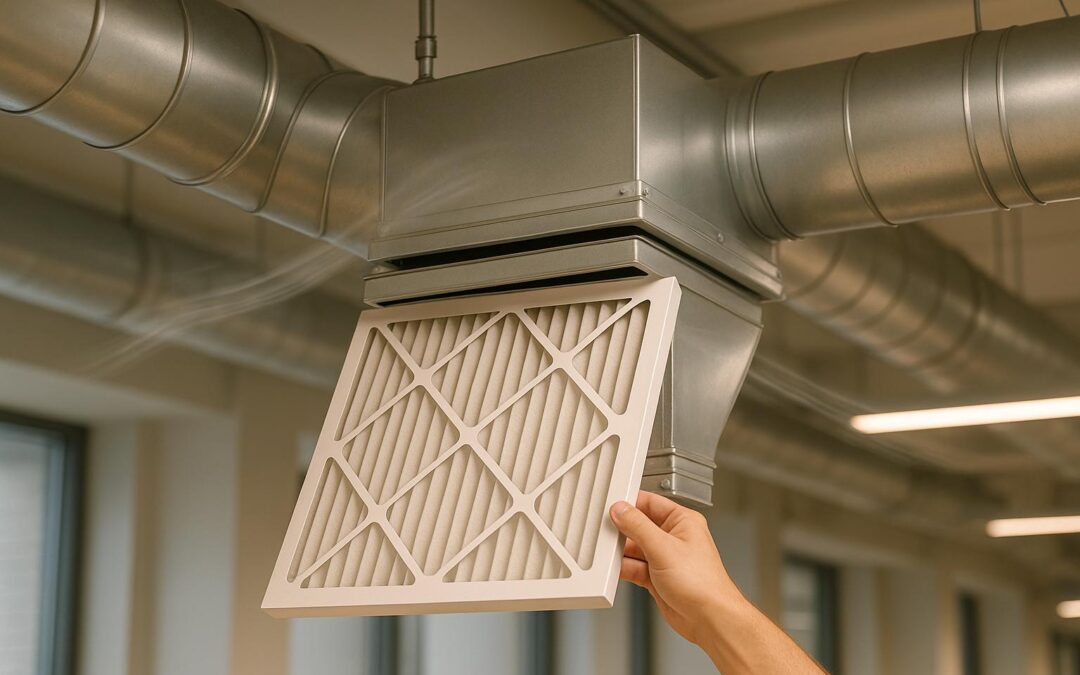
- Filters matter: Use MERV 13–16 filters for effective particle removal. HEPA filters are ideal for healthcare but may need system upgrades.
- UV-C light stops pathogens: It deactivates viruses and bacteria in HVAC systems, especially when installed near cooling coils.
- Ventilation is critical: Increasing outdoor air intake and maintaining proper airflow reduces contaminants.
- Humidity control helps: Keep humidity between 40–60% to limit virus survival.
- Regular upkeep is non-negotiable: Clean ducts, replace filters, and inspect systems frequently to avoid pathogen buildup.
For homes, offices, or healthcare facilities, combining these strategies ensures better protection against airborne illnesses. Read on to learn how to apply these methods effectively and keep your HVAC system working for you, not against you.
Evolving HVAC Guidance for Airborne Infection Control – Current Status and Future Directions
How Pathogens Spread Through HVAC Systems
Understanding how pathogens move through HVAC systems is the first step in controlling their spread. When someone with a respiratory illness coughs, talks, or even breathes, tiny droplets and aerosols are released into the air. These particles don’t just settle quickly; they can linger in indoor air for hours. For example, viruses like COVID-19 may survive in the air for a few hours after being expelled by an infected person.
Your HVAC system plays a crucial role in this process. Airborne particles can be drawn into the system through intake vents and then redistributed throughout the building via ductwork and air handling units. Factors like airflow speed, duct design, and the placement of vents determine how these particles travel. Poorly designed or maintained systems can inadvertently spread pathogens to every corner of the building.
Pathogen Movement Through Air Circulation
Air circulation is a key factor in determining whether pathogens are removed or spread further. Once infectious aerosols enter the HVAC system, they travel along with the airflow, potentially reaching areas far from the original source.
The concept of air changes per hour (ACH) is critical here. ACH measures how often the air in a space is replaced with fresh or filtered air. Higher ACH rates help dilute and remove airborne pathogens more effectively. During high-risk periods, some facilities increase ACH by operating HVAC systems with 100% outside air to maximize pathogen removal.
Another strategy involves increasing airflow in variable air volume (VAV) zones, which enhances both filtration and air exchange. This approach reduces the concentration of indoor particles and pathogens. On the other hand, inadequate ventilation allows pollutants and pathogens to accumulate, worsening indoor air quality.
Ductwork condition also matters. Leaks in ducts can let unfiltered air bypass the system’s filters, while dirty or damaged ducts may harbor pathogens, mold, or bacteria. These contaminants can then circulate throughout the building. Regular inspections and cleaning, following ASHRAE and NADCA guidelines, help mitigate these risks.
Other factors, like how a building is designed, also influence pathogen spread. Occupant density, ventilation rates, and overall HVAC setup all play a role. For instance, a crowded office with limited fresh air intake is much riskier than a well-ventilated space with fewer people.
Measuring HVAC Performance for Pathogen Control
Assessing HVAC performance for pathogen control involves several metrics, each offering unique insights.
MERV ratings are one of the most important. MERV (Minimum Efficiency Reporting Value) measures how well an air filter captures particles of different sizes, ranging from MERV 1 (least efficient) to MERV 16 (most efficient). Filters rated MERV 13–16 are particularly effective at reducing pathogens while remaining cost-efficient compared to other methods like increasing outdoor air intake.
| Filter Type | Pathogen Control Effectiveness | Operational Cost | Typical Application |
|---|---|---|---|
| MERV 7–11 | Lower effectiveness at reducing disease risk | Inexpensive to operate | Budget-friendly facilities with lower infection risk |
| MERV 13–16 | High efficiency at reducing disease risk | Lower cost than outdoor ventilation | General buildings, offices |
| HEPA (99.97% efficiency) | Maximum protection, captures airborne viruses | Higher cost due to static pressure | Healthcare facilities, critical environments |
Ventilation rates measure how much outdoor air is introduced into a building, typically in cubic feet per minute per person or per square foot. ASHRAE 62.1-2022 sets the minimum requirements for ventilation, but exceeding these levels can further reduce airborne contaminants. Organizations like the EPA and CDC also rely on ASHRAE guidelines for ventilation and infection control. Running ventilation systems beyond regular operating hours keeps filters working to remove pathogens.
Monitoring carbon dioxide (CO₂) levels is another helpful tool. Elevated CO₂ levels often indicate insufficient ventilation for the number of occupants.
Temperature and humidity also impact pathogen survival. Keeping relative humidity between 40–60% can reduce the lifespan of many respiratory viruses, which tend to persist longer in very dry or excessively humid environments. HVAC systems should aim to maintain these conditions for optimal indoor air quality.
The Wells-Riley model is a valuable method for predicting the risk of airborne disease transmission. It takes into account factors like room volume, ventilation rate, the number of infected individuals, and exposure duration. Smaller infectious aerosols (under 5 microns) can remain airborne for hours and travel through HVAC systems, emphasizing the need for high-efficiency filters to capture these particles.
Ultimately, no single metric can ensure effective pathogen control. It’s about finding the right balance between filtration, ventilation, and other performance indicators. Even a system with excellent filters won’t perform well if ventilation is inadequate, and vice versa.
For facilities in the Chicagoland area looking for professional assessment and disinfection services, Ozonated Cleaning LLC offers expertise in ozone and hydroxyl technology to address contamination issues that mechanical systems alone may not fully resolve. Visit their website at https://ozonatedcleaning.com for more information.
Methods for Controlling Pathogens in HVAC Systems
Keeping airborne pathogens in check requires a combination of advanced technologies and smart strategies. The right approach depends on your building’s specific needs, budget, and infrastructure.
Air Filtration Systems
Filtration is one of the most effective ways to remove airborne viruses and bacteria.
MERV-rated filters are a standard choice for both residential and commercial settings. The EPA suggests using filters rated MERV 13 or higher, as long as your HVAC system can handle them. Filters in the MERV 13–16 range strike a balance between strong pathogen control and cost efficiency compared to alternatives like increasing outdoor air intake.
HEPA filters go a step further, capturing 99.97% of particles. These filters are especially useful in healthcare settings where controlling airborne viruses is critical. However, they require larger air handling units (AHUs), increased static pressure, and more powerful motors, which may necessitate equipment upgrades.
Electrostatic filters are another option. They use electrical charges to trap particles but need regular upkeep to stay effective.
If you’re considering MERV 13 filters, know that they often require modifications to your AHU fan system. If your system can’t support these higher-efficiency filters, you might need to install deeper filter racks. It’s also essential to integrate filtration into a broader strategy that includes proper ventilation and regular maintenance. Over time, clogged filters can reduce airflow and allow harmful particles to circulate. Establishing a routine filter replacement schedule – especially during peak illness seasons – helps maintain system efficiency.
Filtration works best when paired with technologies like UV-C light to neutralize any remaining pathogens.
UV-C Light Disinfection
UV-C light is a proven method for deactivating pathogens that filters can’t catch. By disrupting the genetic material of bacteria and viruses, UV-C light prevents them from reproducing. This technology has been a staple in healthcare and biotech industries for decades.
While filters reduce the number of particles in the air, UV-C systems target pathogens at a molecular level. These lamps can be installed in various parts of the HVAC system, such as supply ducts, inside AHUs on the downstream side of the cooling coil, or in upper-room setups above 7 feet to treat circulating air. When placed downstream of the cooling coil, UV-C light effectively neutralizes mold, bacteria, and other organic materials.
The cost of UV-C installation is approximately $0.20 per CFM. However, it may require additional space in the AHU and modifications to ductwork. A related approach uses UV light to produce hydroxyl radicals, which are highly effective against pathogens. These radicals achieve a 99.99% kill rate against viruses, bacteria, and fungi by interacting with water vapor and oxygen.
To ensure UV-C systems work as intended, proper installation and regular maintenance are critical. Lamps need to be monitored to confirm they are operating at the correct intensity and replaced as recommended by the manufacturer. When used correctly, UV-C technology significantly reduces biological hazards in HVAC systems.
For facilities in the Chicagoland area, Ozonated Cleaning LLC offers professional disinfection services that complement HVAC upgrades. They specialize in ozone and hydroxyl technology to tackle contamination issues that standard systems might miss. More information is available at https://ozonatedcleaning.com.
Improving Ventilation Rates
Ventilation is another key component of pathogen control, working alongside filtration and UV-C sterilization. Increasing the intake of outdoor air helps dilute indoor contaminants.
In some cases, running HVAC systems in 100% outside air mode is suitable, especially in facilities with potential infections. Higher ventilation rates are effective in reducing indoor pollutants. While ASHRAE 62.1-2022 sets minimum ventilation standards, exceeding these levels can further improve air quality. Some buildings even operate ventilation systems 24/7 to maximize pathogen removal. Running HVAC systems before and after occupancy, not just during occupied hours, can also help reduce indoor pollutants. This extended operation is particularly useful since viruses like COVID-19 may only survive for a few hours after being expelled.
However, bringing in more fresh air comes with increased energy demands, which can strain HVAC systems, especially in extreme weather. Energy Recovery Ventilators (ERVs) can help offset this by transferring energy between outgoing and incoming air streams, reducing the overall energy load. CO₂ monitoring and demand-controlled ventilation systems also adjust airflow based on occupancy, ensuring adequate fresh air without wasting energy.
If your building has operable windows, natural ventilation can further boost fresh air intake without adding to operational costs. The best results come from a tailored approach. For example, retail spaces might combine ERVs, high-efficiency filters, and demand-controlled ventilation, while office buildings might benefit from improved MERV-rated filters alongside ventilation upgrades.
It’s worth noting that shutting down HVAC systems to save energy is counterproductive. Reduced air circulation allows indoor pollutants to build up, leading to poorer air quality in occupied spaces. Instead, maintaining continuous operation – even at lower levels during unoccupied hours – is a better strategy. Combining MERV 13 filters, increased ventilation, and UV-C sterilization creates multiple layers of protection, compensating for the limitations of any single method.
sbb-itb-5fea4da
Pathogen Control for Different Building Types
Each type of building comes with its own challenges when it comes to HVAC pathogen control. What works for a cozy family home might fall short in a bustling office or a healthcare facility. The best approach depends on factors like how the space is used, the level of infection risk, budget limitations, and the existing HVAC setup.
Homes and Residential Buildings
For residential spaces, achieving effective pathogen control doesn’t usually require a major overhaul. One of the most impactful steps homeowners can take is upgrading to MERV 13 filters. These filters trap far more airborne particles compared to standard options, and they’re compatible with most home HVAC systems. To keep things running smoothly, it’s important to replace filters regularly to avoid airflow issues caused by clogs.
Keeping the HVAC fan set to "On" ensures continuous air circulation, which helps lower indoor pollutant levels. Running the system for a few hours before and after people are home can also be effective since many viruses, like COVID‑19, lose their potency within hours of being expelled. Adding natural ventilation – like opening windows – can further improve air quality. For those looking to go a step further, portable HEPA units can target high-traffic areas and provide extra filtration without requiring changes to the central HVAC system.
Offices and Commercial Buildings
In office and commercial spaces, the goal is to protect occupants while keeping costs reasonable. Upgrading to MERV 13–16 filters is a practical way to reduce pathogen risks without major system changes.
CO₂-controlled ventilation systems are particularly useful in these settings. They adjust the amount of fresh air brought in based on how many people are present, ensuring good air quality during busy times while saving energy during quieter periods. Energy Recovery Ventilators (ERVs) can also help by transferring heat or cooling between outgoing and incoming air, which reduces the load on the HVAC system. Running the system continuously helps dilute pollutants, and portable air cleaners can add an extra layer of safety in crowded or poorly ventilated areas. Regular maintenance – like cleaning coils, inspecting dampers, and replacing filters – is essential to keep the system working effectively.
These steps lay the groundwork for even stricter measures required in healthcare environments.
Healthcare and Medical Facilities
Healthcare facilities demand the most stringent pathogen control measures due to regulatory standards and the vulnerability of patients. In these settings, HEPA filters with 99.97% efficiency are considered the gold standard for capturing airborne viruses. However, using HEPA filters often requires system adjustments, such as upgrading fan motors to handle the increased static pressure.
A layered approach is common in healthcare settings. HEPA filtration is often paired with UV‑C light disinfection, creating multiple defenses against pathogens. For instance, UV‑C lamps installed near cooling coils can deactivate mold, bacteria, and other harmful particles – typically at a cost of about $0.20 per CFM. Ceiling-mounted UV‑C units can also disinfect circulating air continuously. Maintaining ventilation rates above ASHRAE’s minimum standards ensures proper dilution of airborne contaminants.
Room pressurization is another key strategy. Negative pressure rooms are used to contain pathogens from infected patients, while positive pressure rooms, like surgical suites, protect vulnerable individuals. Proper temperature and humidity levels also play a role in reducing pathogen transmission. Regular inspection and cleaning of ductwork, following ASHRAE and NADCA guidelines, ensure the system remains effective in infection control.
For healthcare facilities in the Chicagoland area needing specialized disinfection, Ozonated Cleaning LLC provides services using ozone and hydroxyl technology to enhance existing systems. Learn more at https://ozonatedcleaning.com.
In environments where lives are at stake, these advanced measures provide a reliable way to ensure robust pathogen control.
Safety Standards and Compliance Requirements
Ensuring effective HVAC pathogen control isn’t just about installing the right systems; it’s about adhering to safety protocols and meeting regulatory requirements. These guidelines not only protect building occupants and technicians but also ensure your HVAC system functions as intended while staying within legal boundaries. Below, we’ll explore key standards, safety concerns, and maintenance practices essential for keeping your system in check.
ASHRAE, EPA, and CDC Standards
ASHRAE standards are the backbone of most HVAC compliance efforts. Both the EPA and CDC align their infection control recommendations with ASHRAE guidelines, making these standards critical for building operators. They serve as the basis for integrating filtration and UV‑C systems, as discussed earlier.
- ASHRAE Standard 62.1 outlines the minimum ventilation requirements for maintaining indoor air quality in general buildings and workplaces. While the 2022 version sets the baseline, many building codes allow operators to exceed these minimums to better address specific risks and reduce airborne contaminants.
- For healthcare settings, ASHRAE Standard 170 offers stricter guidelines, including detailed specifications for air changes per hour and managing pressure relationships between rooms. Both standards emphasize increasing outdoor air intake and filtered recirculated air to remove or dilute pollutants effectively.
The EPA advises upgrading HVAC filters to MERV 13 or the highest compatible rating for your system. Portable air cleaners are also suggested for spaces that lack proper ventilation or have high occupancy. Meanwhile, the CDC stresses the importance of engineering HVAC systems to prevent the spread of airborne pathogens.
A combined approach works best: increasing ventilation rates, using high-efficiency filters, and maintaining ideal temperature and humidity levels to inhibit pathogen transmission. The focus is on improving airflow to dilute and remove contaminants rather than relying on a single solution.
Preventing Harmful Byproducts
Meeting standards is only part of the equation. It’s equally important to avoid technologies that may harm indoor air quality by introducing unwanted byproducts.
- Ozone generators are a prime example. While ozone has antimicrobial properties, its use in occupied spaces poses health risks. In fact, the California Air Resources Board generally prohibits ozone-generating air cleaners as they can create indoor pollutants with little to no benefit.
- Bipolar ionization technology is another area of concern. Despite heavy marketing, there’s limited scientific evidence supporting its effectiveness. Some systems may even generate ozone, similar to electrostatic filters, which requires careful monitoring.
Proven alternatives include mechanical filtration (MERV 13 or higher), UV-C sterilization, HEPA filtration units, and increased fresh air ventilation. These methods have been successfully used in healthcare and biotech settings for decades without the risks associated with ozone-generating technologies.
For instance, UV-C sterilization effectively neutralizes bacteria, viruses, and mold by disrupting their DNA and RNA. When installed downstream of an AHU cooling coil, UV-C systems can significantly reduce biological hazards. The cost is about $0.20 per CFM for materials and labor. However, installation should always be handled by qualified professionals to ensure safety and compliance with building codes.
Maintenance and Inspection Schedules
Even the best pathogen control systems require regular upkeep to stay effective. Following ASHRAE and NADCA standards for ductwork inspection and cleaning helps minimize particulate recirculation.
Key maintenance tasks include:
- Cleaning coils and inspecting dampers and pressure control devices.
- Replacing filters regularly and ensuring proper MERV ratings.
- Monitoring UV-C systems to confirm they’re functioning effectively.
For facilities that experience prolonged shutdowns, inspections should also account for mold growth or stagnant water issues.
Detailed documentation is crucial for compliance. Keep records of filter replacements (noting dates and MERV ratings), UV-C inspections, ductwork cleaning, and any system upgrades or modifications. This not only demonstrates regulatory adherence but also helps track performance, identify trends, and support warranty claims. Establishing a centralized record-keeping system with clear accountability ensures nothing falls through the cracks.
Balancing energy efficiency with pathogen control is another critical consideration. Higher ventilation rates and extended operation times increase energy use but are essential for controlling airborne pathogens. Strategies like CO₂ demand-controlled ventilation can adjust airflow based on occupancy, while Energy Recovery Ventilators (ERVs) help recover heat or cooling from exhaust air, reducing energy waste.
Consulting with professional HVAC experts can help you strike the right balance between effective pathogen control and managing energy costs. Tailoring solutions to your facility’s unique needs, occupancy patterns, and climate conditions ensures optimal results without unnecessary waste.
Conclusion
Tackling pathogens in HVAC systems demands a layered approach. By integrating advanced filtration, UV‑C light, and improved ventilation, multiple transmission pathways can be addressed while offering a safety net if one method falls short.
These strategies complement the critical practices mentioned earlier. Routine maintenance, timely filter changes, and adhering to ASHRAE and NADCA standards for inspections and cleaning are essential. Running HVAC systems continuously or for extended periods before and after occupancy further helps minimize indoor pollutants.
While system performance is crucial, economic and safety factors are equally important. Effective pathogen control not only enhances health and reduces absenteeism but also fosters safer indoor environments. In many cases, high-efficiency HVAC filtration can lower infection risks more cost-effectively than relying solely on increased outdoor air ventilation. Although higher-efficiency filters and enhanced ventilation may increase energy consumption, energy recovery ventilators can help mitigate these costs by transferring energy between outgoing and incoming air streams.
It’s also essential to steer clear of unproven air cleaning technologies that may produce harmful byproducts.
Every building presents unique challenges based on factors like age, design, occupancy patterns, and climate. As a result, the most effective pathogen control measures can vary. For example, healthcare facilities often benefit from UV‑C sterilization and HEPA filtration, while office buildings may see significant improvements with MERV-rated filters paired with CO₂ demand-controlled ventilation. Conducting a professional assessment is crucial to determine the best combination of strategies for each facility.
Following established guidelines from organizations such as ASHRAE, the EPA, and the CDC ensures occupant safety while maintaining regulatory compliance. Since no single method can eliminate all airborne pathogens, a well-rounded, carefully designed approach is essential. Such comprehensive strategies not only meet regulatory requirements but also improve indoor air quality across various building types.
For specialized disinfection needs, expert services like Ozonated Cleaning LLC offer advanced ozone and hydroxyl-based solutions. Hydroxyl radicals have been proven to eliminate 99.99% of viruses, bacteria, fungi, and other microorganisms, making them a powerful option for targeted sanitization in residential, commercial, and vehicle spaces throughout the Chicagoland area.
FAQs
How can I check if my HVAC system can handle MERV 13 or higher filters without major upgrades?
If you’re considering upgrading to MERV 13 or higher filters for your HVAC system, the first step is to check your system’s user manual or contact the manufacturer. HVAC systems are typically designed to work with specific filter ratings, and using a filter with a rating that’s too high could put unnecessary strain on the system or reduce airflow efficiency.
Another option is to consult a qualified HVAC technician. They can inspect your system and determine if it can handle the increased resistance of higher-rated filters. If not, they might suggest adjustments, like upgrading the blower motor, to ensure compatibility. Properly matching your system with the right filter is key to maintaining good air quality while keeping your HVAC system running smoothly and safely.
What are some potential downsides of using UV-C light in HVAC systems for pathogen control?
While UV-C light is a powerful tool for reducing pathogens in HVAC systems, it does come with a few challenges. For one, it can cause wear and tear on certain materials like plastics and rubber over time, which might lead to maintenance concerns. Another limitation is that its effectiveness hinges on proper setup and sufficient exposure time – areas that the light doesn’t reach or systems with inadequate power may not achieve full pathogen elimination. Finally, UV-C systems need regular upkeep, such as cleaning the bulbs and replacing them as needed, to maintain their efficiency.
For a more thorough solution to disinfection and odor control, professional services like those provided by Ozonated Cleaning LLC can be a great option. They offer specialized sanitization services tailored for homes, businesses, and even vehicles.
How can I ensure my building’s HVAC system is energy-efficient while effectively controlling pathogens?
Keeping your HVAC system in top shape is key to maintaining energy efficiency and keeping harmful pathogens at bay. Start with regular maintenance – it’s the backbone of a well-functioning system. Also, replacing air filters often is essential for maintaining smooth airflow and trapping harmful particles effectively.
For an extra layer of protection, consider advanced disinfection technologies like ozone or hydroxyl systems. These methods can help create a cleaner, safer indoor environment while ensuring your HVAC system continues to perform at its best. By following these practices, you’re not just improving air quality but also creating a healthier space for everyone who uses it.
Recent Comments