
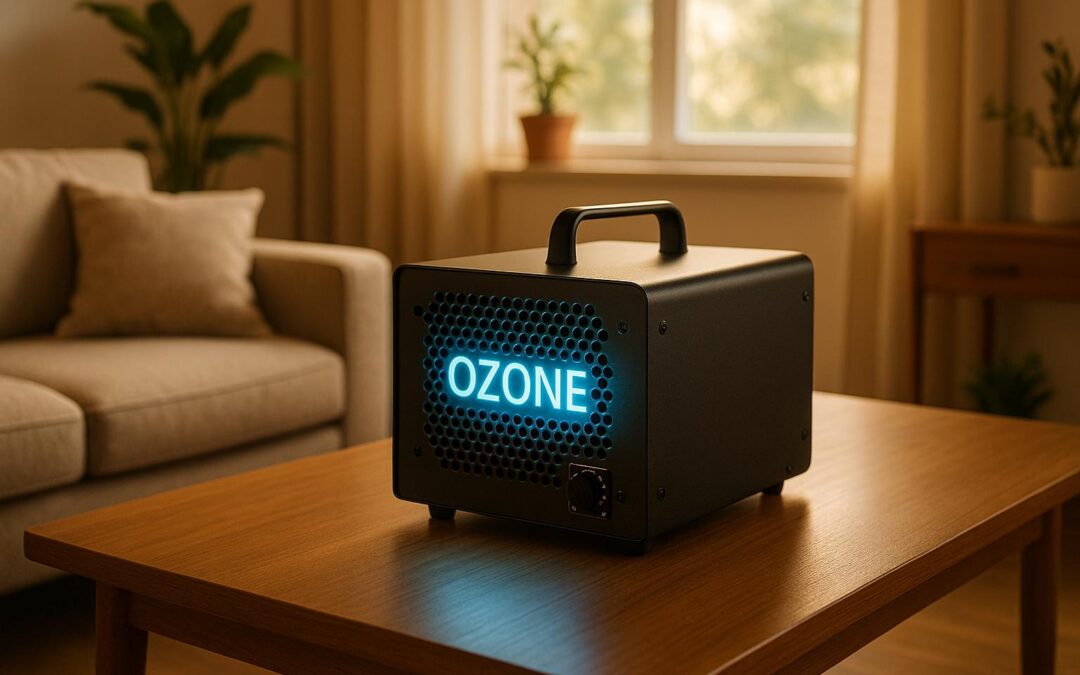
Understanding Ozone Treatment Safety for Air Purification
When it comes to refreshing indoor spaces, many turn to ozone generators for air purification or odor elimination. These devices can be incredibly effective at tackling stubborn smells or improving air quality, but they come with risks if not used properly. That’s where a solid understanding of safety protocols becomes essential.
Why Safety Matters with Ozone Generators
Ozone is a potent gas that can neutralize odors and pollutants, but it’s not something to mess around with. Direct exposure can irritate your respiratory system, and prolonged contact might lead to more serious health concerns. This is especially true for vulnerable groups like children, the elderly, or pets. Beyond personal health, improper use of these devices can damage household items or plants. Knowing how to handle ozone equipment—whether you’re clearing out car smells or purifying your home—can save you a lot of trouble.
Tailored Tips for Safe Use
Every situation is different. A small apartment with pets needs a different approach compared to a spacious garage. Factors like ventilation, treatment duration, and who or what is nearby all play a role. By taking a moment to assess your specific setup, you can apply practical steps to minimize risks. Stick to guidelines like running the device in unoccupied spaces and airing out the area afterward. With the right precautions, you can harness the benefits of this technology without the worry.
FAQs
Is ozone treatment safe for home use?
It can be, but only if you follow strict safety measures. Ozone is a powerful gas that can harm lungs and irritate eyes if you’re exposed during treatment. That’s why our guide emphasizes ventilating the space, avoiding the area while the machine runs, and keeping pets or plants out of harm’s way. Always use ozone generators in unoccupied spaces and give the area time to air out before returning. Better safe than sorry!
Can ozone harm my pets or plants?
Yes, ozone can be risky for both. Pets are especially sensitive to the gas and can experience respiratory issues if exposed. Plants might suffer damage to their leaves or growth. Our tool asks if you’ve got pets or greenery nearby so we can remind you to relocate them during treatment. It’s a small step that makes a big difference in keeping everyone safe.
How long should I ventilate after ozone treatment?
It depends on the size of the space and the strength of the ozone generator, but a good rule of thumb is at least 2-4 hours. Open windows and doors, and use fans if possible to clear out lingering gas. If you can still smell a sharp, metallic odor, wait longer before re-entering. Safety comes first, and our guide will always nudge you to air things out thoroughly.
Recent Comments