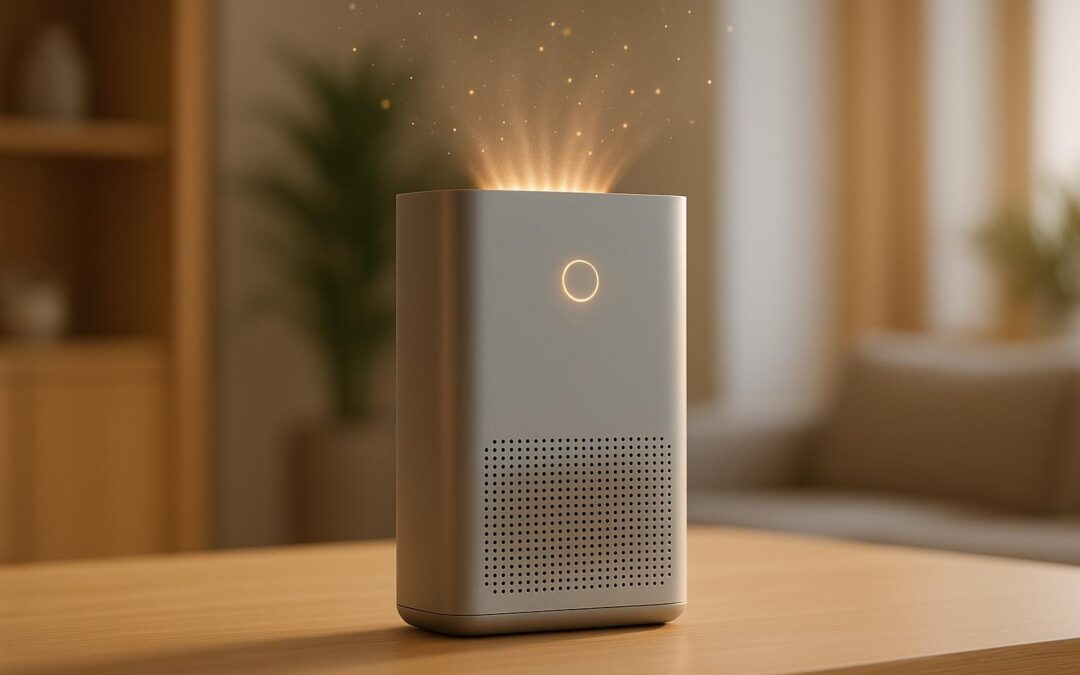
Hydroxyl technology is a modern method for disinfecting air and surfaces using hydroxyl radicals (OH•), which are highly reactive molecules that break down bacteria, viruses, and fungi. Unlike traditional cleaning chemicals, this process is safe to use in occupied spaces, continuously neutralizing harmful pathogens while improving air quality.
Key Points:
- How It Works: Hydroxyl radicals destroy pathogens by oxidizing their cell structures and genetic material, rendering them inactive.
- Advantages:
- Safe for use around people and pets.
- No harmful residues; only water vapor and oxygen remain.
- Effective against bacteria, viruses, fungi, and odors.
- Can reach hard-to-clean areas like air ducts and porous materials.
- Applications: Used in homes, healthcare, offices, food service, and even vehicles to disinfect and remove odors.
- Challenges: Effectiveness depends on factors like airflow, humidity, and surface types. More research is needed to refine its use and assess long-term impacts.
Hydroxyl technology offers a continuous, chemical-free way to disinfect spaces while avoiding the downsides of traditional cleaning products.
Research Studies on Hydroxyl Technology Against Pathogens
Lab Test Results on Pathogen Elimination
Studies in laboratory settings have explored how hydroxyl technology works to neutralize various microorganisms. The findings show that hydroxyl radicals can disrupt the cell structures of bacteria, viruses, and fungi. In these controlled experiments, pathogens are exposed to hydroxyl radicals, and researchers measure the resulting reductions in microbial populations.
These controlled experiments lay the groundwork for testing the technology in real-world environments.
Field Testing and Results
Encouraged by lab results, researchers have tested hydroxyl technology in real-world environments. Field studies have been conducted across healthcare facilities, food processing plants, homes, and commercial spaces to evaluate its practical effectiveness. In healthcare settings, the use of hydroxyl radicals appears to improve air quality and reduce surface contamination. Similar results have been observed in other environments, demonstrating the technology’s versatility. These evaluations typically involve measuring conditions before treatment begins and then monitoring changes over time to gauge its long-term impact.
How Hydroxyl Technology Works and Its Benefits
How Hydroxyl Radicals Destroy Pathogens
Hydroxyl radicals are incredibly effective at neutralizing pathogens because they attack multiple targets at once – cell membranes, genetic material, and essential proteins – leaving no room for recovery. The first line of attack involves oxidizing the lipids and proteins that make up cell membranes, which immediately compromises the pathogen’s structure.
Another key mechanism is the destruction of genetic material. Hydroxyl radicals penetrate deep into the pathogen, damaging DNA and RNA. This genetic assault stops microorganisms from reproducing or carrying out essential cellular functions. For viruses, which rely solely on their genetic material to infect host cells, this process renders them completely ineffective.
This multi-pronged attack ensures that even if some parts of the pathogen survive, they cannot sustain the biological processes needed for survival. Whether it’s gram-positive or gram-negative bacteria, enveloped or non-enveloped viruses, or fungi, hydroxyl radicals consistently cause oxidative damage across all types of pathogens.
What makes this approach stand out is that it doesn’t just neutralize pathogens – it also offers several practical advantages over traditional methods.
Benefits Over Standard Disinfectants
Hydroxyl technology offers a safe, continuous way to disinfect spaces, even when people are present, without leaving harmful residues. Unlike chemical disinfectants, which provide only temporary protection and require periodic reapplication, hydroxyl generators maintain constant pathogen control, addressing new contamination as it happens.
Another major advantage is that hydroxyl radicals naturally break down into harmless water vapor and oxygen. This eliminates concerns about chemical residues that could irritate the skin or respiratory system, making it safer for both people and the environment.
The broad-spectrum effectiveness of hydroxyl technology is another game-changer. Instead of needing separate products to deal with bacteria, viruses, fungi, and odors, this single technology handles them all at once. This not only simplifies disinfection routines but also reduces reliance on multiple chemical products.
Hydroxyl radicals also excel in their penetration capabilities. They can travel through air currents to reach areas that traditional liquid disinfectants simply cannot, such as porous materials, hard-to-reach corners, and intricate surfaces. This ensures a more thorough disinfection process, even in challenging environments.
From an environmental perspective, hydroxyl technology significantly reduces chemical usage and the waste associated with disposable disinfectant products. By using only electricity and the surrounding air to generate disinfecting agents, it minimizes the environmental footprint compared to the production, transportation, and disposal of chemical disinfectants.
Lastly, the cost-effectiveness of hydroxyl technology becomes clear over time. While the initial investment in equipment may seem high, the ongoing costs are minimal – primarily electricity. This eliminates the need for frequent purchases of chemical disinfectants and reduces labor costs associated with their repeated application, making it a smart long-term choice.
Science behind VIRUSKILLER™ Air Purification | Rentokil Pest Control
sbb-itb-5fea4da
Limitations and Challenges of Hydroxyl Technology
Hydroxyl technology has its advantages, but it’s essential to recognize its practical limitations. Its effectiveness depends on a variety of factors, and understanding these is key to setting realistic expectations and ensuring proper use.
Factors That Impact Effectiveness
Several environmental and situational elements influence how well hydroxyl technology performs:
- Humidity and Temperature: Variations from normal indoor conditions can interfere with the formation of hydroxyl radicals, reducing overall efficiency.
- Airflow: Poor ventilation or blocked airflow can lead to uneven distribution of hydroxyl radicals, leaving some areas untreated.
- Contamination Levels: Heavily contaminated areas may need more time or intensive treatment compared to spaces with lighter contamination.
- Surface Types: Porous materials can protect pathogens from oxidation, while non-porous surfaces tend to respond better to treatment.
- Organic Matter: Substances like dust, pet dander, or cooking residues can consume hydroxyl radicals, limiting their availability for neutralizing pathogens.
These factors highlight the need for ongoing research to address performance variability.
Research Gaps and Challenges
Although hydroxyl technology has shown promise, there are still significant areas where further study is required:
- Long-Term Efficacy: Most studies focus on short-term pathogen reduction, leaving questions about how well the technology works over longer periods.
- Pathogen Variability: More research is needed to understand how different pathogens, including emerging viral strains and antibiotic-resistant bacteria, respond to hydroxyl treatment.
- Tailored Protocols: Developing precise dosing guidelines for various room sizes, contamination levels, and pathogen types remains a challenge.
- Combination Methods: Investigating how hydroxyl technology can work alongside other disinfection methods could enhance its effectiveness.
- Material Compatibility: Assessing the long-term effects of hydroxyl exposure on sensitive materials like electronics or artwork is crucial for refining safe usage limits.
- Cost–Benefit Analysis: Comprehensive comparisons with traditional disinfection methods are needed to help determine whether hydroxyl technology is a practical choice for widespread use.
Addressing these gaps is essential to fully optimize the potential of hydroxyl technology in both homes and businesses.
Uses and Applications
Hydroxyl technology has transitioned from lab and field studies to practical use, offering solutions for cleaner air and surface disinfection in both homes and commercial spaces. It shines in areas where traditional methods often fall short.
Home and Business Applications
In residential settings, hydroxyl technology tackles tough odors like pet smells, cooking fumes, and smoke residue by breaking down the odor-causing molecules directly at their source. What makes it even better? It works continuously, even in occupied spaces, providing ongoing odor and pathogen control without disruption.
For businesses, the applications are just as diverse. Healthcare facilities rely on hydroxyl systems to minimize airborne pathogens while keeping staff and patients safe. Hotels and hospitality venues use it to maintain fresh, inviting environments for guests. Meanwhile, office buildings benefit from improved air quality, helping reduce the spread of seasonal illnesses among employees.
Food service establishments also see the value in hydroxyl technology. It not only reduces cooking odors but also sanitizes surfaces without the need for harsh chemicals or extensive ventilation. Its ability to operate safely in occupied spaces makes it a standout solution compared to traditional disinfection methods that often require people to vacate the area.
These varied applications highlight hydroxyl technology’s adaptability, offering tailored services to meet the unique needs of different industries.
Ozonated Cleaning LLC‘s Hydroxyl Technology Services
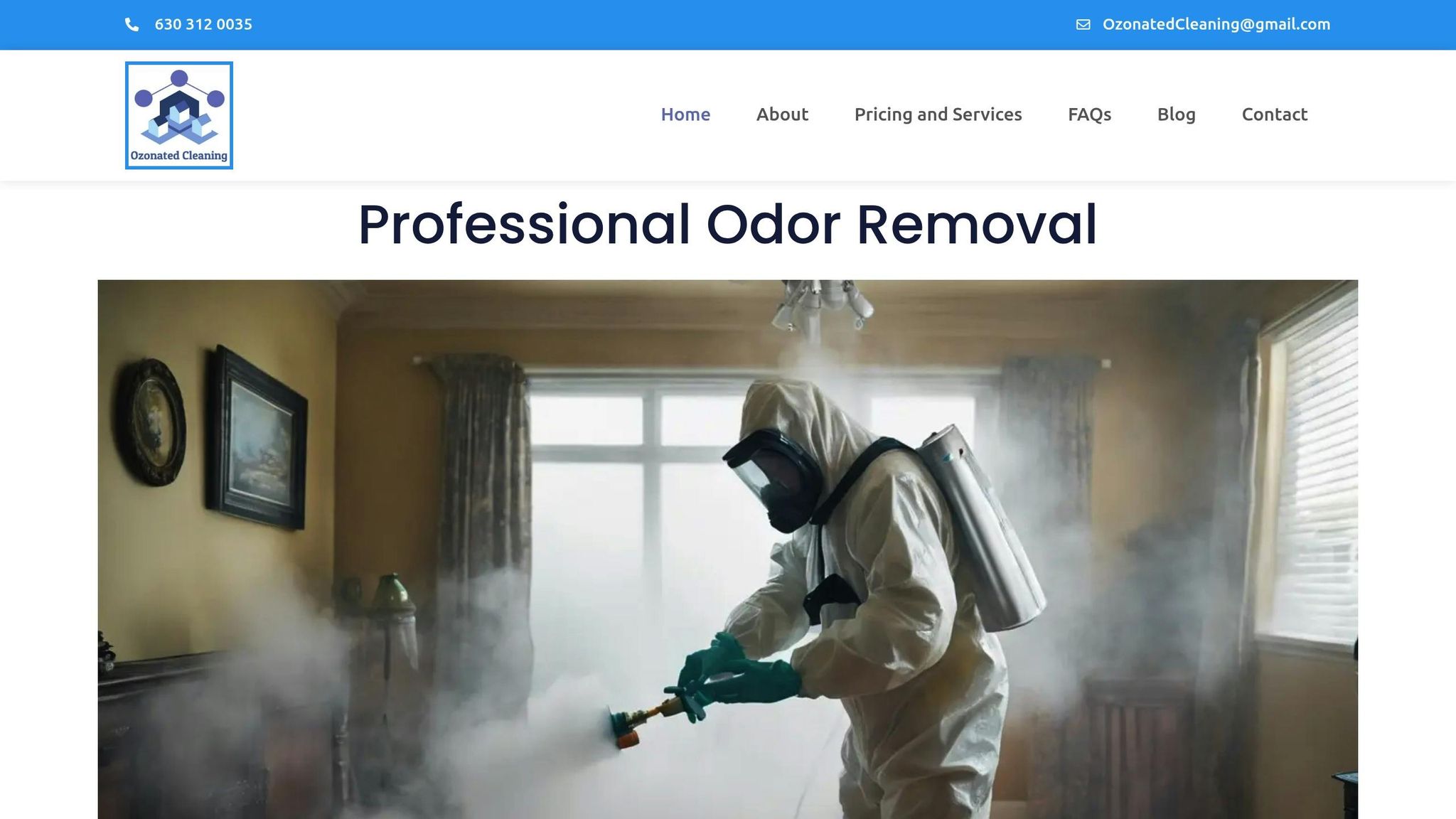
Ozonated Cleaning LLC has embraced this chemical-free, continuous process to deliver advanced disinfection and odor removal services across the Chicagoland area. By combining hydroxyl technology with ozone treatments, they address both air quality and surface sanitization challenges effectively.
For residential clients, their services range from $600 to $900, targeting issues like smoke damage and stubborn odors. Homes with occupants who have respiratory sensitivities particularly benefit, as hydroxyl systems are safe to use around both people and pets.
Vehicle applications are another area where hydroxyl technology excels. Enclosed spaces like cars, trucks, RVs, and boats often suffer from poor ventilation and lingering odors. Ozonated Cleaning offers deodorizing services for $150 per vehicle and $200 per semi-truck. The technology circulates throughout the cabin, reaching areas traditional cleaning methods might miss, making it a game-changer for these confined spaces.
Marine applications also highlight the technology’s strengths. Boats and RVs are prone to persistent odors caused by moisture, cooking, and limited ventilation. Hydroxyl systems neutralize these odors effectively while remaining safe for occupants, making them ideal for recreational vehicles where people spend extended periods in close quarters.
For commercial clients, Ozonated Cleaning provides custom pricing based on the size and needs of the space. From office buildings to retail stores and industrial facilities, hydroxyl technology offers a seamless solution that allows businesses to continue operating during treatment, avoiding downtime often required by traditional deep-cleaning methods.
One of the standout features of hydroxyl technology is its eco-friendly approach. Unlike chemical disinfectants that may leave residues or require special handling, hydroxyl radicals break down into harmless water vapor and oxygen after completing their job. This makes it a perfect fit for sensitive environments like daycare centers, senior living facilities, and spaces occupied by individuals with chemical sensitivities.
Additionally, its ability to eliminate airborne pathogens complements traditional cleaning methods, addressing contaminants that surface cleaning alone can’t reach. This dual approach ensures more thorough sanitization, which is especially important for high-traffic areas or homes recovering from illness outbreaks.
Summary and Main Points
Research highlights that hydroxyl technology effectively neutralizes bacteria, viruses, and fungi in spaces where people are present, overcoming the shortcomings of traditional disinfection methods. These findings align with earlier studies showcasing the wide-ranging effectiveness of hydroxyl radicals.
Why Hydroxyl Technology Stands Out
Building on both laboratory and real-world results, here’s what makes hydroxyl technology a game-changer:
- Continuous operation in occupied spaces: Unlike chemical disinfectants that only work temporarily on surfaces, hydroxyl technology provides ongoing protection, ensuring a higher level of safety and cleanliness.
- Chemical-free and eco-friendly: The process leaves behind nothing but harmless water vapor and oxygen, making it perfect for sensitive environments like hospitals, schools, and homes, especially where individuals have respiratory issues or sensitivities to chemicals. This eliminates worries about toxic residues or harmful fumes.
- Reaches hidden areas: Field tests show that hydroxyl technology can circulate and disinfect hard-to-reach places like air ducts and spaces behind furniture – places manual cleaning often misses. This ensures a thorough approach to pathogen control, not just surface-level cleaning.
- Dual-purpose functionality: Beyond disinfection, the technology also eliminates odors, making it especially useful in challenging environments such as smoke-damaged homes or commercial kitchens dealing with lingering cooking smells.
The Value of Professional Services
The science behind hydroxyl technology highlights the importance of professional services for achieving the best results.
- Expert application: Companies like Ozonated Cleaning LLC in the Chicagoland area ensure optimal outcomes by tailoring equipment placement and treatment plans to the specific needs of each space. Their expertise ensures both safety and efficiency.
- Cost-effective solution: Professional treatments combine air quality improvement, surface disinfection, and odor elimination into one streamlined process. This eliminates the need for multiple products and methods, saving both time and money.
- Business-friendly approach: For commercial spaces, professional hydroxyl treatments allow operations to continue without disruption. Unlike traditional deep cleaning, which often requires shutting down, this approach minimizes downtime and prevents revenue loss.
- Healthier environments: Cleaner air, fewer pathogens, and the removal of odor-causing compounds contribute to healthier indoor spaces. This can lead to fewer illness-related absences and an overall boost in well-being for everyone in the space.
FAQs
How is hydroxyl technology safer and more eco-friendly compared to traditional chemical disinfectants?
Hydroxyl technology provides a cleaner and safer option compared to traditional chemical disinfectants. By utilizing naturally occurring hydroxyl radicals, it effectively neutralizes bacteria, viruses, and fungi both in the air and on surfaces. The best part? It doesn’t leave behind any harmful residues, making it safe to use around people, pets, and even plants.
What sets hydroxyl radicals apart is their ability to naturally break down pollutants and pathogens, not just disinfect but also improve air quality. This approach not only reduces potential harm to the environment but also offers a non-toxic way to maintain cleanliness. For those aiming to disinfect effectively while prioritizing safety and environmental care, this technology is an ideal solution.
What are the challenges of using hydroxyl technology, and how can its performance be optimized?
Hydroxyl technology comes with its own set of challenges, such as decreased efficiency in low-humidity conditions and possible effects on helpful microorganisms. To get the best performance, aim to keep humidity levels at 60% or higher, place the generators in optimal locations, and maintain good airflow to prevent hydroxyl radicals from dispersing too quickly.
By managing these elements, you can enhance the technology’s capacity to combat bacteria, viruses, and fungi, offering an effective way to create cleaner, healthier environments.
How can hydroxyl technology work alongside other disinfection methods to improve its effectiveness against pathogens?
Hydroxyl technology works well when paired with other disinfection methods like ozone, UV-C light, or hydrogen peroxide, as each method targets pathogens in unique ways. Together, they create a stronger defense against bacteria, viruses, mold, and fungi.
Take HVAC systems, for instance. Adding hydroxyl generators alongside ozone or UV-C light ensures ongoing air purification. This combination helps lower allergens and microbial levels, offering a more thorough way to maintain cleaner, healthier spaces.
Recent Comments