
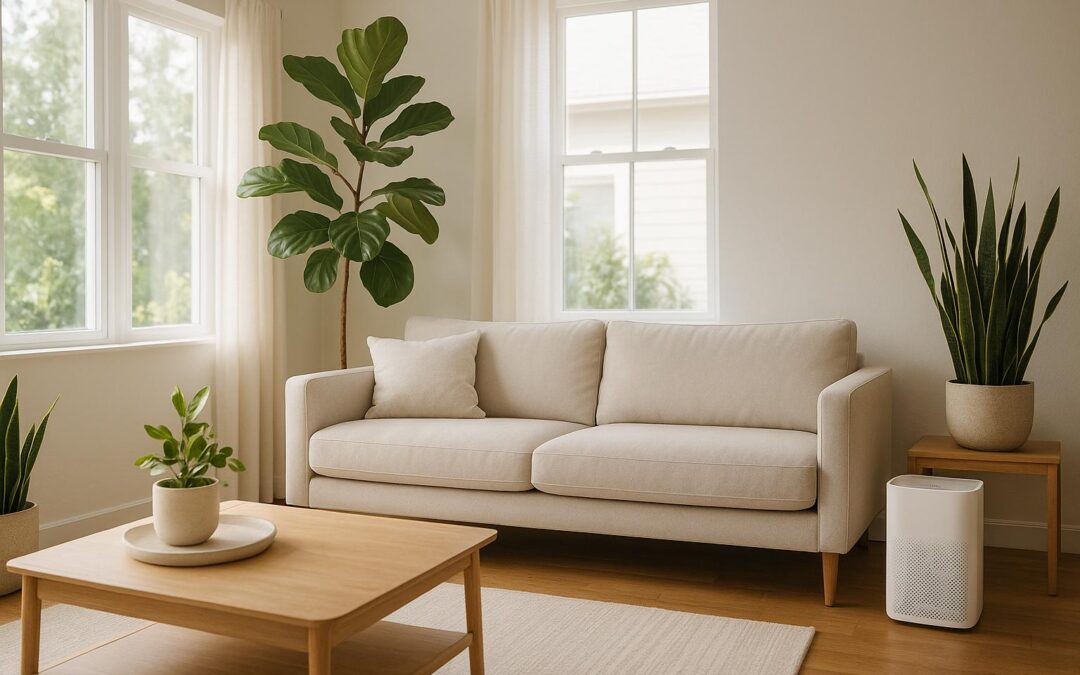
Indoor air quality (IAQ) is a topic that often flies under the radar for homeowners, yet it directly impacts health, comfort, and overall well-being. With allergens like dust mites, mold, and pet dander silently building up in homes, maintaining pristine air quality is crucial for creating a safe environment. In a recent discussion with Kenneth Mendes, CEO of the Asthma and Allergy Foundation of America, actionable tips were shared to help homeowners tackle allergens and improve IAQ. Here’s a deep dive into practical strategies to make your home healthier and more allergen-free.
Why Indoor Air Quality Matters
Indoor air quality plays a pivotal role in respiratory health, especially for individuals prone to allergies or asthma. Environmental shifts like climate change are intensifying allergy seasons, making it increasingly essential to control both outdoor and indoor allergens. Mendes highlights that reducing indoor irritants is a proactive way to protect your health, as most people spend approximately 90% of their time indoors.
From keeping outdoor allergens like pollen at bay to managing mold and dust mites inside, creating a fresh and clean atmosphere is achievable with some targeted efforts.
Practical Solutions for an Allergy-Free Home
1. Keep Outdoor Allergens Outside
Outdoor allergens such as pollen can easily make their way indoors, particularly during high-pollen seasons. Here’s how to minimize their impact:
- Close windows and doors: Especially during peak pollen seasons, keep windows shut to prevent allergens from entering.
- Establish a "no-shoes" rule: Leave shoes at the door to avoid tracking in pollen and dirt.
- Wash pets after outdoor exposure: If you walk your dog, wipe their paws or give them a quick rinse to keep allergens outside.
2. Control Indoor Humidity to Combat Mold
Mold thrives in moist, humid environments, making it essential to keep your home’s humidity levels in check. Mendes emphasizes:
- Ventilate Bathrooms and Kitchens: Use exhaust fans or open windows during showers and cooking to reduce humidity.
- Check Hidden Spots: Inspect under sinks and cabinets for any signs of moisture or mold growth.
- Use a Dehumidifier: Maintain indoor humidity levels between 30% and 50% to discourage mold formation.
3. Invest in High-Quality Air Filtration
Effective air purification can significantly reduce airborne allergens:
- Air Purifiers: Choose a certified asthma- and allergy-friendly air purifier and place it in the bedroom where you spend most of your time.
- HVAC Filters: Upgrade to high-performance HVAC filters designed for allergen control and replace them every few months.
- Vacuum with HEPA Filters: A vacuum cleaner certified for asthma and allergies ensures fine particulates like dust and pet dander are effectively captured.
4. Clean Thoroughly and Regularly
Dust and other particulates are major indoor allergens. A consistent cleaning routine can keep them at bay:
- Vacuum Weekly: Focus on carpets and rugs, which harbor dust and allergens.
- Wash Linens at High Temperatures: Launder bedding and curtains in water heated to at least 130°F to kill dust mites.
- Dust Surfaces Frequently: Use a damp cloth to trap dust rather than dispersing it into the air.
5. Room-by-Room Allergy Management
Each room in the home presents unique challenges for maintaining air quality.
Kitchen:
- Watch for Cockroaches: Regularly clean to remove food debris that attracts pests, which can trigger allergies.
- Ventilate While Cooking: Always use your range hood or exhaust fan to reduce indoor irritants from smoke and cooking fumes.
Living Room:
- Reduce Carpeting: Hard flooring is easier to clean and harbors fewer allergens than carpet.
- Control Dust on Furniture: Wipe down surfaces and wash throw pillows and blankets frequently.
Bedroom:
- Protect Against Dust Mites: Encase mattresses and pillows in dust mite-proof covers.
- Keep Pets Out: As tough as it may be, keeping pets out of the bedroom minimizes exposure to pet dander.
Additional Considerations
- Track Outdoor Air Quality: Stay informed about pollen counts and air quality indexes to understand when it’s safer to open windows or go outside.
- Allergy Testing: Consult a specialist to identify specific allergens that affect you, enabling more targeted mitigation strategies.
Key Takeaways
- Close the Gap Between Outdoors and Indoors: Limit how outdoor allergens like pollen and dirt make their way inside.
- Control Moisture and Humidity: Use exhaust fans and dehumidifiers to prevent mold growth.
- Invest in Certified Air Filtration Tools: Air purifiers and HEPA vacuums can significantly improve air quality.
- Keep a Consistent Cleaning Schedule: Wash linens, vacuum, dust, and sanitize areas where allergens collect.
- Target Problem Rooms: Adjust strategies room by room, focusing on the bedroom, kitchen, living room, and bathroom.
- Be Proactive with Air Quality Monitoring: Track outdoor air conditions, especially during allergy seasons, and adjust your habits accordingly.
- Personalize Your Approach: Allergy testing can guide specific solutions tailored to your needs.
Conclusion
Improving indoor air quality doesn’t require a total home overhaul. By following these straightforward, science-backed steps, you can significantly reduce allergens and create a healthier environment for your family. Whether it’s closing windows during high pollen seasons, investing in air purifiers, or implementing a consistent cleaning routine, every small action adds up. Prioritizing fresh, clean air is an investment not just in your home, but in your well-being.
Source: "Make Your Home Allergy Free + Fix Squeaky Wood Floors" – This Old House, YouTube, Aug 20, 2025 – https://www.youtube.com/watch?v=sNOlWddotgE
Use: Embedded for reference. Brief quotes used for commentary/review.
Recent Comments