
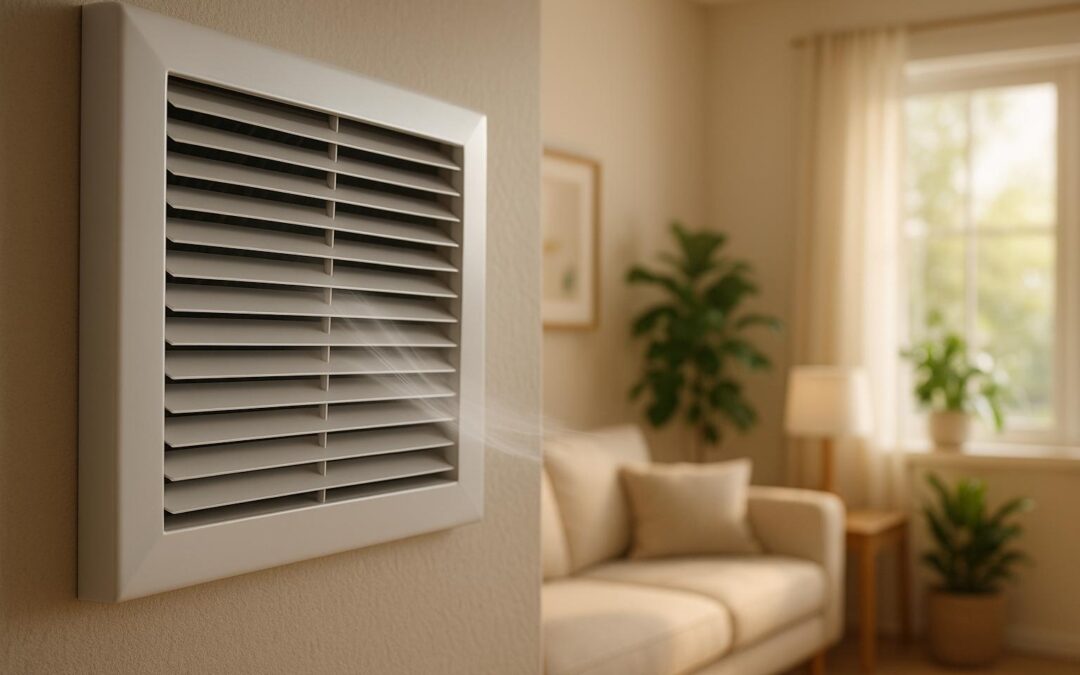
When your HVAC system starts emitting strange odors, it’s a clear sign of underlying issues that need immediate attention. These smells can signal problems like mold, gas leaks, or mechanical failures, which not only affect your comfort but may also pose health risks or lead to costly repairs. This guide breaks down how to identify, locate, and fix HVAC odor problems while offering tips to prevent them in the future.
Key Takeaways:
- Common Odor Causes: Mold, gas leaks, dust buildup, refrigerant leaks, and pest infestations.
- Health Risks: Poor air quality can worsen allergies, respiratory issues, and productivity.
- DIY Steps: Inspect filters, check for moisture, and clean key components.
- Professional Help: Advanced tools like ozone treatments or duct cleaning may be required for persistent issues.
- Prevention Tips: Regular maintenance, proper ventilation, and humidity control.
Addressing HVAC odors promptly can save money, protect your health, and ensure a comfortable indoor environment.
Odors from HVAC Vents! WHAT Should You Do?!
Common Causes of HVAC Odors
Figuring out what’s causing odors in your HVAC system is the first step toward fixing the issue. Each type of smell points to a specific problem, so identifying it correctly can help you decide whether it’s a simple fix or something that needs professional attention right away.
Some common HVAC odors include rotten eggs, sewage, musty smells, electrical burning, and chemical scents.
| Odor Type | Possible Cause | Origin Location | Urgency Level |
|---|---|---|---|
| Rotten Eggs | Gas leak, dead pest | Gas lines, ductwork | Emergency |
| Sewage | Clogged drain line, dirty filter | Drain line, air filter area | High |
| Dirty Socks | Mold and mildew | Ductwork, evaporator coil | Medium |
| Mustiness | Mold, mildew, dirt buildup | Air conditioner coils | Medium |
| Electrical Burning | Faulty capacitor, overheating motor | Blower motor, circuit board | Emergency |
| Chemical/Sweet | Refrigerant leak | AC unit | High |
Below, we’ll break down these causes and what they mean for your system.
Mold, Mildew, and Moisture Problems
Mold-related odors are a clear sign of moisture issues in your HVAC system. Musty smells often mean mold or mildew is growing, typically in areas like the evaporator coil or ductwork. These fungi thrive in damp, dark conditions, especially when drainage is poor or humidity levels are high.
Mold releases microbial volatile organic compounds (MVOCs), which not only smell bad but can also trigger allergic reactions. Symptoms might include sneezing, coughing, itchy eyes, or even more serious respiratory issues like wheezing or shortness of breath. When your system runs, it can spread these spores throughout your home, making the problem worse.
The Environmental Protection Agency (EPA) states, "The key to mold control is moisture control". To help prevent mold, aim to keep indoor humidity between 30% and 50%. Also, watch for discoloration around vents or listen for odd noises like banging or rattling, which could signal moisture problems.
Dust, Debris, and Pet Dander Buildup
Dusty odors often come from clogged filters or ductwork. When dust, pet hair, and other debris accumulate, they not only block airflow but also spread unpleasant smells throughout your home.
A burning dust smell is common when you first turn on a system that hasn’t been used in a while. This happens as dust on internal parts like burners or heat exchangers burns off. To avoid this, change your filters regularly – about every three months is a good rule of thumb. If the smell lingers after replacing the filter, the issue might be deeper in the ductwork.
Chemical Odors and VOCs
Chemical smells in your HVAC system are often linked to refrigerant leaks or volatile organic compounds (VOCs). These odors can range from mildly irritating to potentially hazardous.
Refrigerant leaks are a common source of chemical smells, often described as sweet or chloroform-like. Other warning signs include warm air blowing from your AC, ice on refrigerant lines, strange noises, or rising electric bills. As MSP Plumbing Heating Air explains, "Usually, it smells sweet and almost like chloroform".
VOCs, on the other hand, can come from cleaning products, building materials, or new equipment. If chemicals are stored near your air handler, these odors can circulate through your system. Paint-like smells might mean fluids in your AC are leaking or breaking down, which requires immediate professional attention.
Bacterial Growth in HVAC Parts
Bacterial growth in drip pans or drain lines can create foul, sewage-like odors. Unlike mold, which produces musty smells, bacteria thrive in stagnant water and emit odors that are hard to ignore.
Clogged drain lines are often to blame. When water can’t drain properly, it creates the perfect environment for bacteria to grow. Dirty air filters can make the problem worse by failing to catch contaminants. To prevent this, make sure to clean drain lines and drip pans regularly. If the smell persists, professional cleaning might be necessary.
Pest Problems and Decaying Matter
If your HVAC system smells like decaying trash, you might have a pest problem. Rodents, birds, or insects can get trapped in your ductwork, and as they decay, they produce strong, unpleasant odors.
Another smell to watch for is rotten eggs, which could indicate a natural gas leak. Gas companies add a chemical to natural gas to give it this distinct odor for safety reasons. If you detect this smell, evacuate immediately and call for professional help, as it could signal a dangerous leak.
How to Find HVAC Odor Sources
After identifying the type of odor coming from your HVAC system, the next step is figuring out where it’s coming from. A step-by-step approach using visual checks, testing, and specialized tools can help you get to the root of the problem efficiently.
Visual Check of HVAC Parts
Start by visually inspecting the key components of your HVAC system. Look at the air handler, evaporator coils, and ductwork for any signs of dust, mold, debris, water leaks, or even pest activity. Use a flashlight and a mirror to examine hard-to-reach spots. Pay extra attention to areas like drain pans and condensate lines, as these can trap moisture and become ideal spots for mold and bacteria to grow. Keeping a record of when and where odors occur can also help you identify patterns.
Air Quality Testing and Lab Analysis
Professional air quality testing is a great way to pinpoint the exact cause of odors in your HVAC system. This process involves collecting air samples from different areas in your home and sending them to a lab. Testing can reveal contaminants like mold spores, volatile organic compounds (VOCs), or bacteria. Surface testing can also help determine whether the odors are coming from specific areas or spreading throughout the entire system.
For instance, the tests may uncover fungal growth, microbial VOCs, or chemical vapors that are contributing to the smell. These results allow professionals to recommend targeted solutions, like mold removal, system cleaning, or better ventilation. Considering how much time people spend indoors – around 90% – and the fact that indoor air can often be more polluted than outdoor air, professional testing becomes especially useful if odors persist after basic cleaning efforts. When combined with visual inspections, these tests ensure no hidden problems are overlooked.
Using Moisture Meters and Thermal Cameras
Specialized tools like thermal cameras and moisture meters are excellent for finding hidden moisture issues that might be causing odors. Thermal cameras can detect temperature differences that signal moisture buildup. Devices like the Flir One Edge Pro, Flir C5 Compact Thermal Imaging Camera, and PerfectPrime IR0005 Infrared Thermal Imager are commonly used for this purpose. Once potential moisture spots are identified, moisture meters can confirm the presence of water by providing precise readings.
Additionally, tools like pipe inspection cameras or borescopes can be used to check ductwork and plumbing for blockages, leaks, or debris that might be causing the smell. The U.S. Environmental Protection Agency highlights that controlling moisture is one of the most effective ways to prevent mold growth. While advanced tools are invaluable, manual inspections of system components can further validate findings.
Inspecting Filters and System Parts
A close inspection of air filters and other system components is another critical step in identifying odor sources. Check the air filters for dirt, mold, or discoloration that might be trapping odor-causing particles. Examine the blower motor and refrigerant lines for any signs of malfunction. Don’t forget to inspect drain lines and sewer connections near your HVAC system – clogs or damaged seals can allow sewer gases to seep in. Regular inspections, especially after heavy storms or plumbing repairs, can help spot issues early. Take photos and detailed notes during your inspection to make it easier to communicate findings with HVAC professionals.
How to Remove HVAC Odors
Once you’ve pinpointed the source of the odor, it’s time to act. Most HVAC odor issues can be resolved with a mix of cleaning, routine maintenance, and professional services.
Cleaning and Changing Air Filters
A dirty air filter is often the culprit behind HVAC odors. Your first step should be replacing it. Filters clogged with dust, pet hair, and other particles not only create unpleasant smells but also lower air quality and strain your system. Ideally, replace air filters every 1–3 months. If you have pets, allergies, or live in a dusty area, you may need to do this monthly. For even better odor control, consider using activated carbon filters. These are excellent at trapping odor-causing molecules, but they do need more frequent replacement to stay effective.
After addressing the filters, check for any odor sources deeper within the ductwork.
Professional Duct Cleaning
If replacing the filters doesn’t resolve the issue, your duct system might need a closer look. Over time, dust, mold, and mildew can build up in ducts, creating persistent odors that regular maintenance won’t catch. Professional duct cleaning can help by thoroughly removing debris, mold, and bacteria – even in hard-to-reach spots. Technicians also clean components like evaporator coils and condensate lines, which are common sources of moisture-related smells. As part of your routine upkeep, don’t forget to clean vent covers with warm, soapy water to maintain proper airflow and reduce odors.
Ozone and Hydroxyl Treatments
For tougher odors, advanced treatments like ozone or hydroxyl technology can make a big difference. Ozone generators release ozone (O₃), a reactive gas that breaks down odor molecules through oxidation. These treatments usually take less than a day, but there’s a catch: ozone is harmful to people, pets, and plants. It should only be used in spaces that are completely unoccupied. Russ McCubbin, President of International Ozone Technologies Group, Inc., explains:
"Ozone is only to be used in unoccupied areas with return to the area at least one hour after the machine has turned off. Ozone can bleach wet materials and damage natural rubber. If a homeowner cannot leave or a store cannot shut down, hydroxyl generators are the way to go."
Hydroxyl generators offer a safer option for occupied spaces. These devices produce hydroxyl radicals, which break down volatile organic compounds (VOCs) and odors into harmless byproducts like water and carbon dioxide. Although hydroxyl treatments take longer – typically three to five days – they are safe for people and delicate materials. Tom McArdle, Vice President of Odorox Hydroxyl Group, highlights their effectiveness:
"Hydroxyls are the second strongest oxidant in the world behind atomic fluorine. They are one million times more reactive than ozone, which means they break down a much broader range of odors and pathogens compared to ozone."
Companies like Ozonated Cleaning LLC specialize in both ozone and hydroxyl treatments, using chemical-free, FDA-approved methods to eliminate odors, sanitize spaces, and remove pathogens in homes and businesses across the Chicagoland area.
Moisture Control and Mold Removal
Moisture is often at the root of HVAC odors, especially musty smells caused by mold and mildew. To combat this, clean the evaporator coil with a 10% bleach solution. For the condensate line, pour white vinegar through it to prevent clogs and stop water from backing up – this can reduce the risk of mold growth. Address leaks immediately and ensure proper drainage, as standing water creates the perfect environment for bacteria and mold. In humid areas, a dehumidifier can help keep moisture levels in check. If mold becomes a serious problem, professional remediation may be necessary.
Additional Odor Control Methods
You can also use other methods to keep odors at bay. Placing baking soda in air ducts can help absorb smells, while installing UV lights in your AC unit provides ongoing antimicrobial protection by targeting mold and bacteria. This is especially useful in humid climates. Regular vacuuming and quickly addressing pet odors also prevent smells from being drawn into your HVAC system. Keeping your home clean goes a long way in maintaining fresh indoor air.
sbb-itb-5fea4da
Preventive Care for Long-Term Odor Control
The smartest way to tackle HVAC odors? Stop them before they even start. A proactive approach not only saves you money but also safeguards your health and keeps your system running efficiently for years.
Regular HVAC Checks and Cleaning
Routine maintenance is key to preventing odors from building up. Start with the basics: replace air filters every 1–3 months to keep air flowing cleanly through your system.
Make sure to clean evaporator coils and drain pans regularly. This helps your system cool effectively while also keeping mold and bacteria at bay.
Professional maintenance takes things further. Technicians inspect condensate drain pipes to ensure they’re clear and not leaking or clogged. They also check ductwork, especially in areas like attics and crawl spaces, to confirm proper insulation. This step is critical for avoiding condensation that can lead to mold growth.
If odors persist, schedule a professional duct cleaning every few years. This service removes debris, mold, and bacteria from areas that are hard to reach during regular upkeep. It can also help your system run more efficiently and last longer while reducing the need for costly repairs.
These maintenance practices set the stage for better ventilation and moisture control, which are essential for keeping odors in check.
Better Ventilation and Humidity Control
Once your system is clean, managing airflow and moisture becomes the next priority.
Maintaining the right humidity levels is crucial to prevent mold and mildew. Ideally, your home’s relative humidity should stay between 30% and 60%, with 45% to 55% being the sweet spot for most people. In the winter, aim for 25% to 40%, while summer levels should hover between 40% and 50%. Humidity above 60% can lead to a muggy atmosphere and even damage wooden floors and furniture.
If your home tends to be humid – especially in areas like basements – consider installing a dehumidifier. Use exhaust fans in bathrooms and kitchens to remove excess moisture before it seeps into your HVAC system. Moist spaces like laundry rooms should also be well-ventilated.
Ensure fresh air circulation by occasionally opening windows and using exhaust fans. This prevents stale air from lingering in your ducts. At the same time, seal windows and doors during summer to keep humid outdoor air from creeping in.
Your HVAC system also plays a role in managing air pressure, which affects how odors move throughout your home. Balancing the air supply and exhaust can make a big difference. Negative air pressure might draw odors into certain areas, while positive pressure can help push them out.
Tracking and Reporting Odor Problems
Even with regular maintenance and controlled humidity, staying alert to odor issues is vital to catching problems early.
While good upkeep reduces the chances of odors, early detection is key to avoiding bigger headaches. Encourage everyone in your household or building to report unusual smells right away. This can stop minor issues from turning into expensive repairs. Lingering odors from poor air quality can lead to symptoms like headaches, dizziness, and fatigue. Long-term exposure to mold, in particular, may cause chronic respiratory problems.
Keep a log of any odor incidents, noting the time, location, and description. This information helps technicians identify the root cause more quickly. For instance, a musty smell often points to mold or mildew, while a sweet scent could indicate a refrigerant leak.
Addressing odors promptly not only reduces health risks but also lowers repair costs. It can also help you stay compliant with health and safety regulations, avoiding potential fines or liabilities. And when air quality improves, so does comfort and productivity – especially important in workplaces.
Finally, make sure drainage systems are functioning properly and maintain recommended humidity levels to prevent moisture-related issues from recurring.
Professional Odor Removal Services: Why Choose Ozonated Cleaning LLC
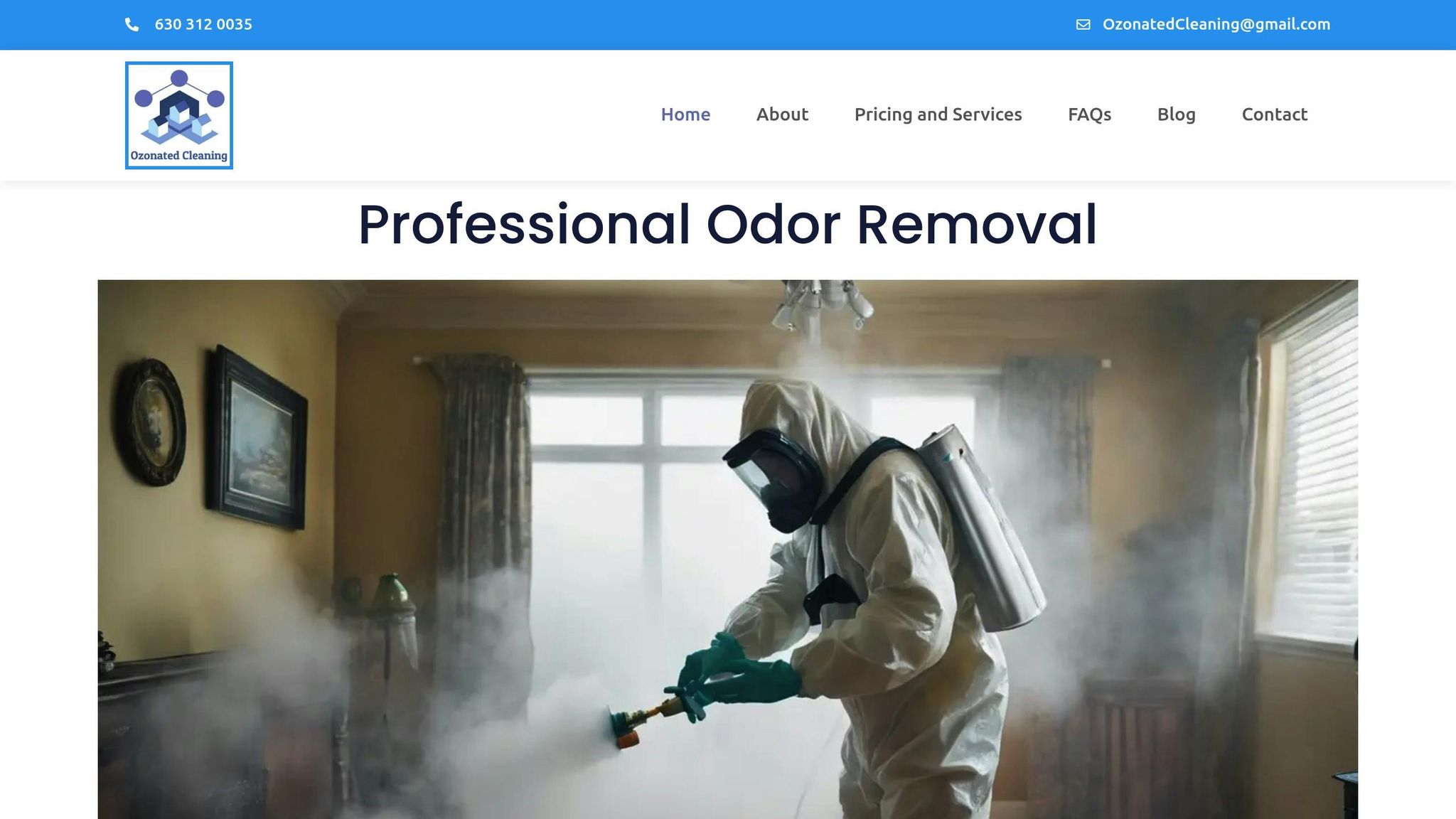
When stubborn HVAC odors refuse to budge despite routine maintenance or DIY attempts, it’s time to call in the professionals. Some odor issues require specialized tools and expertise that go far beyond basic cleaning efforts. By combining meticulous maintenance with advanced techniques, professional services provide targeted and long-lasting solutions for odor elimination.
Expert Odor Removal and Disinfection
Ozonated Cleaning LLC stands out as a leader in odor removal, thanks to its cutting-edge ozone and hydroxyl technologies. These methods don’t just mask odors – they neutralize them at the molecular level without leaving harmful residues behind. Ozone works by oxidizing odor molecules, while hydroxyl radicals tackle pathogens, delivering a comprehensive treatment. This technology is particularly effective at reaching hidden odor sources within ducts and air handlers. Remarkably, ozone has been FDA-approved as a safe antimicrobial agent for food-related applications since 2001.
"By utilizing the power of ozone and hydroxyl, Ozonated Cleaning can penetrate deep into surfaces and fabrics, eliminating even the toughest odors at the source… This comprehensive approach ensures your home or business is left fresh, clean, and free from lingering smells, providing a healthier and more pleasant environment for you and your guests." – Ozonated Cleaning
Service Areas and Types
Operating out of Lemont, Illinois, Ozonated Cleaning LLC serves the entire Chicagoland area, offering a full range of odor removal and disinfection services. Their expertise extends to a variety of environments, including residential homes, restaurants, offices, and even more specialized spaces like vehicles, RVs, boats, and semi-trucks. As highlighted in the HVAC odor detection guide, thorough treatment is essential for maintaining indoor air quality.
| Space Type | Price Range | Coverage |
|---|---|---|
| Homes 0–600 sq ft | $600 | Complete odor elimination |
| Homes 601–1,000 sq ft | $700 | Full treatment coverage |
| Homes 1,001–2,000 sq ft | $800 | Comprehensive service |
| Homes 2,001–3,000 sq ft | $900 | Complete property treatment |
| Vehicles | $150 per vehicle | Interior deodorizing |
| Semi Trucks | $200 per truck | Full cab sanitization |
Their straightforward pricing ensures transparency and helps clients understand service costs upfront.
Custom Solutions for Stubborn Odor Problems
For particularly tough odor challenges, Ozonated Cleaning LLC provides custom solutions tailored to the specific needs of each space. Whether it’s a unique environment or a larger-than-average area, their personalized approach ensures effective treatment for even the most persistent odor problems.
Client testimonials speak volumes about their effectiveness and professionalism. Ray L. shared his positive experience:
"Ozonated Cleaning eliminated the persistent odor from my unit. Highly recommended."
Another client, Jordan F., praised their service:
"They did more to remove some pet odors I’ve been dealing with than anything I’ve tried so far. Polite, punctual, and professional. Definitely recommend!"
These reviews highlight the company’s technical expertise, reliability, and commitment to customer satisfaction. For larger spaces or situations that fall outside standard pricing, custom quotes are available to ensure no odor problem goes untreated.
Conclusion: Key Points for HVAC Odor Source Detection
Getting rid of HVAC odors isn’t just about comfort – it’s about protecting health and safety. With 90% of people worldwide breathing polluted air and 93% of children under 18 exposed to unsafe pollution levels, tackling HVAC odor sources plays a crucial role in creating healthier indoor environments.
Understanding both the risks and solutions is the first step toward effective HVAC maintenance. The key to addressing odors lies in a combination of systematic checks and timely fixes. Begin with a thorough visual inspection of HVAC components, focusing on areas like filters, drain pans, and ductwork where mold, bacteria, and debris often build up. Use specialized tools to identify hidden moisture and contamination, while routine maintenance helps prevent odors from becoming a recurring issue.
"Maintaining good air quality is crucial for the health and well-being of individuals. The air we breathe can have a significant impact on our overall health, particularly when it comes to respiratory issues and allergies." – IAQ.Works Staff
If routine measures don’t resolve the problem, it’s time to call in the experts. Persistent odors – whether musty, burning, or otherwise – along with symptoms like respiratory irritation, indicate the need for professional evaluation. Indoor air pollution levels can be two to five times higher than outdoor air, especially in homes affected by smoke or other contaminants. Professional services using advanced technologies, such as ozone and hydroxyl treatments, can eliminate odors at the source, reaching deep into ductwork and system components where standard cleaning methods fall short.
For those in the Chicagoland area dealing with stubborn HVAC odors, Ozonated Cleaning LLC offers specialized solutions tailored to these challenges. Their FDA-approved ozone technology penetrates deep into HVAC systems, targeting odor sources that conventional cleaning can’t reach. Whether it’s mold, pet odors, or chemical smells, professional treatments ensure a thorough resolution and long-term improvement in indoor air quality.
"Investing in good indoor air quality is investing in your health and well-being." – Austclimate.com.au
Taking action quickly not only saves money but also safeguards health. Early detection and intervention can prevent minor odor issues from escalating into costly repairs or replacements. By combining regular maintenance with professional help when needed, you can ensure consistently clean, healthy indoor air that supports both comfort and overall well-being.
FAQs
What health risks can HVAC odors cause, and how might they impact my family?
Ignoring strange odors coming from your HVAC system isn’t just unpleasant – it could pose serious health risks to your family. When contaminants like mold spores, dust, pet dander, and pollen circulate through your home, they can lead to respiratory problems, worsen allergies, trigger asthma attacks, or even contribute to chronic fatigue. These issues are particularly dangerous for children, the elderly, and anyone with underlying health conditions.
To keep the air in your home safe and clean, regular maintenance and professional odor removal are a must. Tackling odors early not only improves your indoor air quality but also helps safeguard your family’s health.
How can I tell if an HVAC odor needs a DIY fix or professional help?
The best way to decide whether an HVAC odor calls for a DIY fix or professional help is to consider the source and intensity of the smell. Light odors, like those from dust, pet hair, or everyday household activities, can often be tackled with simple measures. For example, cleaning vents, swapping out air filters, or using odor-neutralizing sprays can make a big difference.
On the other hand, strong or lingering odors – like those caused by mold, smoke, or chemicals – may indicate more serious problems, such as mold growth in the ductwork or contaminated system components. These issues often demand professional attention to fully resolve them and avoid potential health risks. If the smell is persistent, widespread, or causing respiratory irritation, it’s wise to bring in a professional for a detailed inspection and thorough cleaning.
What tools and techniques do professionals use to identify and remove stubborn odors in HVAC systems?
When it comes to tackling stubborn odors in HVAC systems, professionals turn to specialized tools like ozone generators, enzyme-based cleaners, HEPA air purifiers, and thermal fogging machines. These tools are designed to target and neutralize the molecules responsible for unpleasant smells, ensuring the results are effective and long-lasting.
To address odors, experts often use a combination of techniques such as oxidation, filtration, and deep system cleaning. This multi-pronged approach effectively eliminates smells caused by mold, bacteria, smoke, and other contaminants, leaving your space feeling fresh and clean.
Recent Comments