
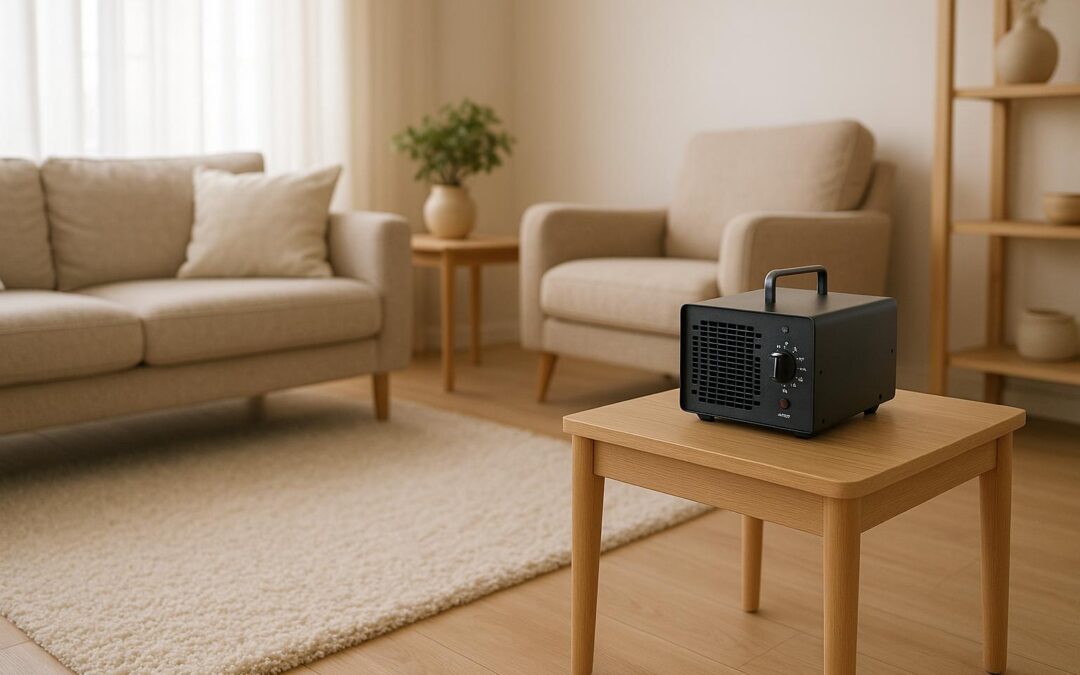
Ozone is a powerful tool for eliminating stubborn odors in your home. Unlike air fresheners or sprays that only mask smells, ozone neutralizes odors at their source by breaking down odor-causing molecules. It’s effective on tough smells like pet odors, smoke, mold, and kitchen grease, penetrating deep into fabrics, carpets, and even air ducts.
Here’s how it works:
- What is Ozone? Ozone (O₃) is a reactive form of oxygen that oxidizes and destroys odor-causing particles.
- Key Benefits: Completely removes odors, doesn’t leave harmful residue, and works on hard-to-reach areas.
- Applications: Treats odors from pets, cooking, mold, smoke, and fire damage.
Preparation and Safety Tips:
- Remove people, pets, and plants from the area.
- Seal off the treatment space.
- Ventilate thoroughly after treatment.
Ozone treatment is ideal for deep-cleaning your home and improving air quality. Follow proper safety measures and ventilation steps for effective results.
HOW TO REMOVE ODORS WITH AN OZONE TREATMENT
Common Household Odor Sources Addressed by Ozone
Ozone works its magic on tough odors by breaking down odor molecules right at their source, even in hard-to-reach places. Let’s dive into how ozone tackles odors from kitchens, pets, moisture, and smoke damage.
Kitchen and Cooking Odors
Kitchen smells can be incredibly stubborn. Grease from frying, strong spices, and smoke from cooking often cling to cabinets, curtains, and walls. These odors don’t just stay in the kitchen – they travel through your home’s ventilation system, embedding into furniture and carpets.
Ozone steps in where regular cleaning falls short. Its oxygen molecules penetrate the tiny pores in wood cabinets, fabric, and painted surfaces, breaking down grease and odor molecules at a microscopic level. This means it doesn’t just mask the smells; it gets rid of them entirely. Ozone can also handle post-renovation smells, like the lingering fumes from new paint or flooring, without introducing any additional chemicals into your home.
Pet Odors
Pet odors are some of the toughest to deal with. Accidents, dander, and litter box smells can seep deep into carpets, upholstery, and even subflooring, making them hard to remove with standard cleaning products.
One satisfied customer, Jordan F., shared their experience:
"They did more to remove some pet odors I’ve been dealing with than anything I’ve tried so far. Polite, punctual, and professional. Definitely recommend!"
Ozone neutralizes pet odors by breaking down the proteins and bacteria in pet waste and dander. For homes with multiple pets or recurring odor issues, ozone can also treat hidden areas like air ducts, where pet dander tends to circulate. This ensures a more complete removal of persistent smells.
Mold, Mildew, and Moisture-Related Odors
Musty smells from mold or mildew often signal deeper moisture problems in your home. Basements, crawl spaces, and bathrooms are common culprits, as these areas tend to trap moisture and encourage fungal growth.
Ozone tackles these odors by breaking down the organic compounds released by mold and mildew. It can reach into wall cavities, behind baseboards, and other hidden areas where moisture collects. While ozone can reduce mold presence and eliminate odors, addressing the root cause of the moisture is key to preventing future problems. Many professional treatments combine ozone with hydroxyl technology, which has been shown to kill 99.99% of pathogens, including bacteria, viruses, and fungi.
Smoke and Fire Damage Odors
Smoke odors, whether from tobacco, cooking accidents, or fire damage, are notoriously difficult to remove. Smoke particles are tiny and can work their way into porous surfaces like walls, ductwork, and even concrete. Even after thorough cleaning, the smell often lingers.
Ozone breaks apart the complex organic compounds in smoke, neutralizing both fresh and long-standing odors. For severe fire damage, higher concentrations of ozone and longer treatment times may be necessary to reach every affected area. It’s also effective on odors from various types of smoke, including cannabis, making it a reliable option when traditional cleaning methods just aren’t enough.
Preparing for Ozone Treatment
Harnessing ozone’s ability to neutralize odors requires careful preparation to ensure safety and effectiveness. Taking the right steps before treatment can make a significant difference in the results.
Safety Precautions for Ozone Use
Clear the area of all living things. People, pets, and plants must be completely removed from the treatment space. While ozone is highly effective at breaking down organic compounds, the concentrations used during treatment can be harmful to living organisms.
Make sure to remove or securely seal any food items, including those stored in pantries, refrigerators, or cabinets. This rule also applies to pet food, medications, and any other consumables.
Isolate the treatment area. If you’re treating a specific room, seal it off from the rest of your home using plastic sheeting and tape. Cover doorways, vents, and other openings to prevent ozone from spreading to occupied areas.
Before starting, ensure smoke and carbon monoxide detectors are functioning properly. Sensitive electronics, particularly those with rubber components, should be covered or removed to avoid potential damage from ozone exposure.
Choosing the Right Ozone Setup
The size of the room is a key factor in selecting the appropriate ozone generator. Larger spaces will require a more powerful generator or longer treatment times to effectively eliminate odors.
Odor severity also plays a critical role. The stronger the odor, the more time or power you’ll need for treatment. Additionally, the materials in the space can influence results. Porous materials like carpets, fabrics, and wood tend to hold odors more deeply than hard surfaces, requiring extra attention.
Moderate humidity – ideally between 40% and 60% – can improve ozone’s performance. If your environment is too dry, consider using a humidifier before starting the treatment.
Once you’ve selected the right generator, plan your treatment duration and ventilation process to maintain safety and achieve the best results.
Planning Treatment Duration and Ventilation
The length of ozone treatment depends on factors like room size and the intensity of the odor. Professional treatments can range from a few hours to overnight, depending on the situation.
Ventilation is critical after treatment. Once the ozone process is complete, thoroughly ventilate the space before re-entry. Open windows, use fans, or activate your HVAC system to ensure the air is safe to breathe.
Choose a time when you can stay away from the area. Many homeowners start ozone treatments in the morning and return later in the day to allow enough time for both the treatment and ventilation. If you’re treating an entire home, staying elsewhere overnight might be the best option.
Ozone naturally breaks down into oxygen after treatment, leaving no chemical residue. This process simplifies post-treatment cleanup – just allow enough time for the ozone to dissipate before re-entering.
Check the air quality before going back in. When it’s safe to return, the air should smell fresh or neutral. If you notice any lingering sharp or metallic odors, continue ventilating until the scent is completely gone. Proper ventilation ensures a safe and odor-free environment.
sbb-itb-5fea4da
Step-by-Step Ozone Treatment Methods
Now that you’re prepped and ready, it’s time to use ozone to tackle odors in your home. The process varies depending on whether you’re focusing on a single room, your entire house, or specific items like furniture and carpets.
Room-Specific Treatments
Before starting, make sure the room is sealed and no one is inside. Place the ozone generator in the center of the room on a stable surface for optimal coverage.
- For mild odors, run the generator for 15–30 minutes.
- For moderate odors, extend the time to 1–2 hours.
- For severe cases, let it run for up to 4 hours.
Set the timer, leave the room immediately, and close the door to allow the ozone to circulate freely. Once the treatment is complete, follow the ventilation steps outlined earlier to ensure the room is safe before re-entering.
If you’re looking to treat your entire home, the next section has you covered.
Whole-Home Odor Removal
For a full-house treatment, follow the necessary safety measures and use your HVAC system to distribute ozone evenly. Start by removing the air filter and placing the ozone generator near the air return vent. Set the fan to "on" to maintain continuous airflow.
Let the generator run for about 4 hours to ensure the ozone reaches all areas of your home. Plan to stay out of the house during this process, and wait 12 to 24 hours afterward to allow any remaining ozone to dissipate completely.
Once your home is treated, you can move on to addressing specific items like furniture and carpets.
Furniture, Carpet, and Upholstery Treatment
For fabric items that hold onto odors, create a sealed environment using a large tarp or plastic sheeting. Place the ozone generator under the covering, then secure the edges with tape or weights to trap the ozone.
Run the generator for about 30 minutes. If odors linger, ventilate the area and repeat the process as needed.
"All odor from the carpets in the house are gone. Now ready to put the house on the market. Well worth the expense to freshen up the carpets." – Wanda C.
To avoid damage, remove or cover sensitive items like electronics, leather, or rubber components. Ozone works by penetrating deep into fabrics, breaking down stubborn odors without leaving any chemical residue behind.
Post-Treatment Maintenance and Odor Prevention
Once ozone treatment has successfully eliminated odors, keeping your home fresh requires ongoing care to prevent smells from coming back.
Proper Ventilation is Key
After completing an ozone treatment, it’s essential to ventilate your space thoroughly. Open up windows and doors to allow fresh air to flow through, creating cross-ventilation. If you have fans, use them to help circulate the air. Ozone dissipates quickly and doesn’t leave behind harmful residues. Keep ventilating until you’re certain any remaining ozone has cleared. Afterward, shift your focus to tackling the root causes of odors to prevent them from returning.
Fix the Root Problems
Take the time to address any underlying issues like excess moisture, leaks, or inadequate ventilation. These are common culprits for recurring odors and need to be resolved to maintain a fresh-smelling environment.
Simple Maintenance for Long-Term Freshness
To keep your home smelling clean, stick to a regular cleaning schedule. Pay extra attention to areas that are prone to moisture or where odors might build up. Make sure your ventilation systems are working properly and periodically inspect them to catch potential issues early. If new problems arise, deal with them promptly to preserve the benefits of your ozone treatment.
Conclusion: Achieving an Odor-Free Home
Ozone technology doesn’t just cover up odors like air fresheners do – it eliminates them entirely by targeting the source. By working at the molecular level, ozone neutralizes odor-causing compounds, bacteria, mold, and other contaminants that can make indoor spaces unpleasant and unhealthy.
Beyond removing odors, ozone also destroys harmful microorganisms using hydroxyl radicals, achieving an impressive 99.99% pathogen kill rate. This makes it a powerful tool for creating a cleaner, healthier living environment for you and your family.
While ozone treatment has immediate benefits, maintaining a fresh and odor-free home requires consistent effort. Addressing moisture problems, improving ventilation, and sticking to a regular cleaning routine are all essential steps to sustain the results of ozone treatment over time.
As covered earlier, proper preparation and ongoing care are vital for long-lasting success. For more severe or persistent odor issues, professional services from Ozonated Cleaning LLC provide the expertise and tools needed to tackle even the toughest smells. Their specialized methods ensure odors are eliminated at the source, leaving you with air you can feel confident breathing.
FAQs
What makes ozone more effective than traditional cleaning methods for removing odors?
Ozone stands out as an odor eliminator because it doesn’t just cover up unpleasant smells – it tackles them right at their origin. By breaking down and oxidizing the compounds responsible for odors, ozone seeps into surfaces, fabrics, and even those tricky, hard-to-reach spots to completely neutralize smells.
Unlike conventional cleaning methods that often depend on chemical sprays or superficial treatments, ozone operates at a molecular level to address stubborn odors like smoke, pet smells, and mildew. This makes it an effective and enduring option for keeping your home fresh and odor-free.
Is using ozone for odor removal safe, and how can potential risks be avoided?
Ozone is a powerful agent for eliminating odors and organic substances, and the FDA has approved its use as a safe antimicrobial agent since 2001. However, it’s important to note that exposure to high levels of ozone can pose risks to both humans and pets.
For safety, you should leave the area being treated with ozone and only return once the ozone has had time to dissipate. Ensuring proper ventilation and adhering to professional safety recommendations can greatly reduce any potential hazards.
How can I prevent odors from returning after an ozone treatment?
To keep odors from creeping back after an ozone treatment, it’s crucial to tackle the underlying causes of the smells. Start by maintaining a clean home – regularly vacuum, dust, and sanitize surfaces to get rid of particles that can trigger odors. Good ventilation is just as important. Open windows or use fans to improve airflow, lower humidity, and discourage mold from forming.
Be mindful of introducing new odor sources. Avoid smoking indoors, and address moisture-prone areas like basements or bathrooms to prevent dampness from becoming an issue. For ongoing freshness, occasional ozone treatments can help maintain a clean and odor-free environment.
Recent Comments