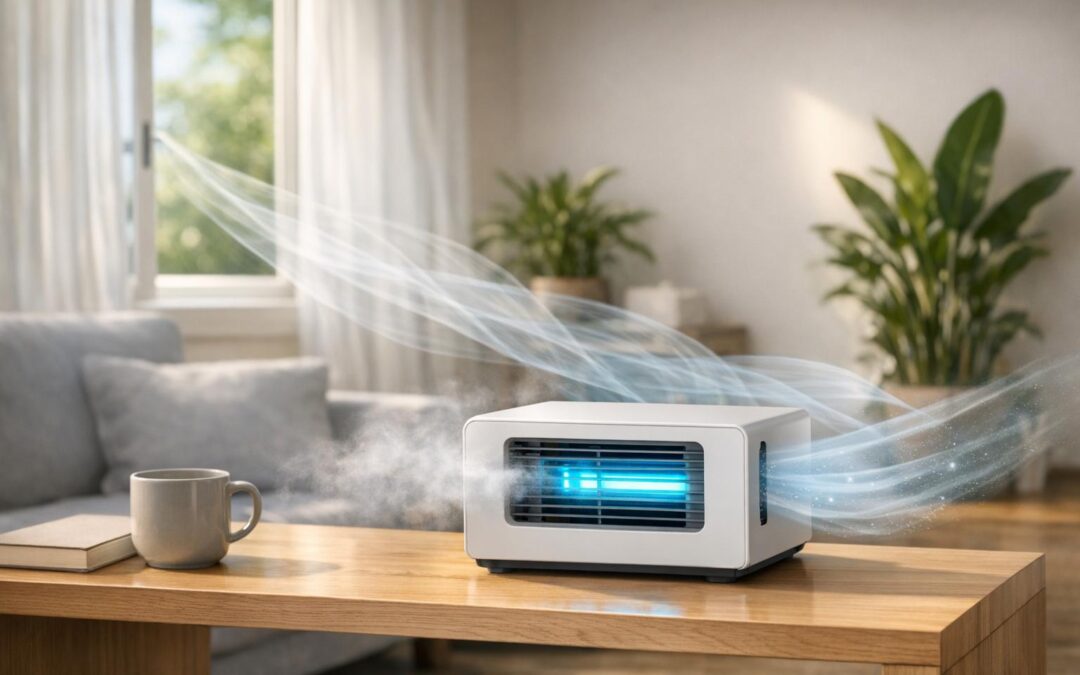
Hydroxyl generators are devices that clean air by producing hydroxyl radicals (•OH), which break down odors, bacteria, viruses, mold spores, and harmful compounds into safe byproducts like water and carbon dioxide. Unlike ozone vs hydroxyl generators, they are safe to use in occupied spaces with people, pets, and plants. These systems replicate a natural process using UV light and moisture, making them effective for odor removal, air purification, and sanitizing environments without the need for harsh chemicals.
Key Points:
- Safe for Occupied Spaces: Can operate continuously without evacuation.
- Effective on Odors and Pathogens: Neutralizes smoke, mold, VOCs, and more.
- Eco-Friendly: Uses only water vapor and UV light – no harmful residues.
- Applications: Suitable for homes, healthcare facilities, vehicles, and commercial spaces.
Hydroxyl generators are ideal for maintaining clean air in spaces where people live and work, offering a safe and chemical-free solution for air purification.
Titan 2000 Hydroxyl Generator – International Ozone Technologies Group, Inc.
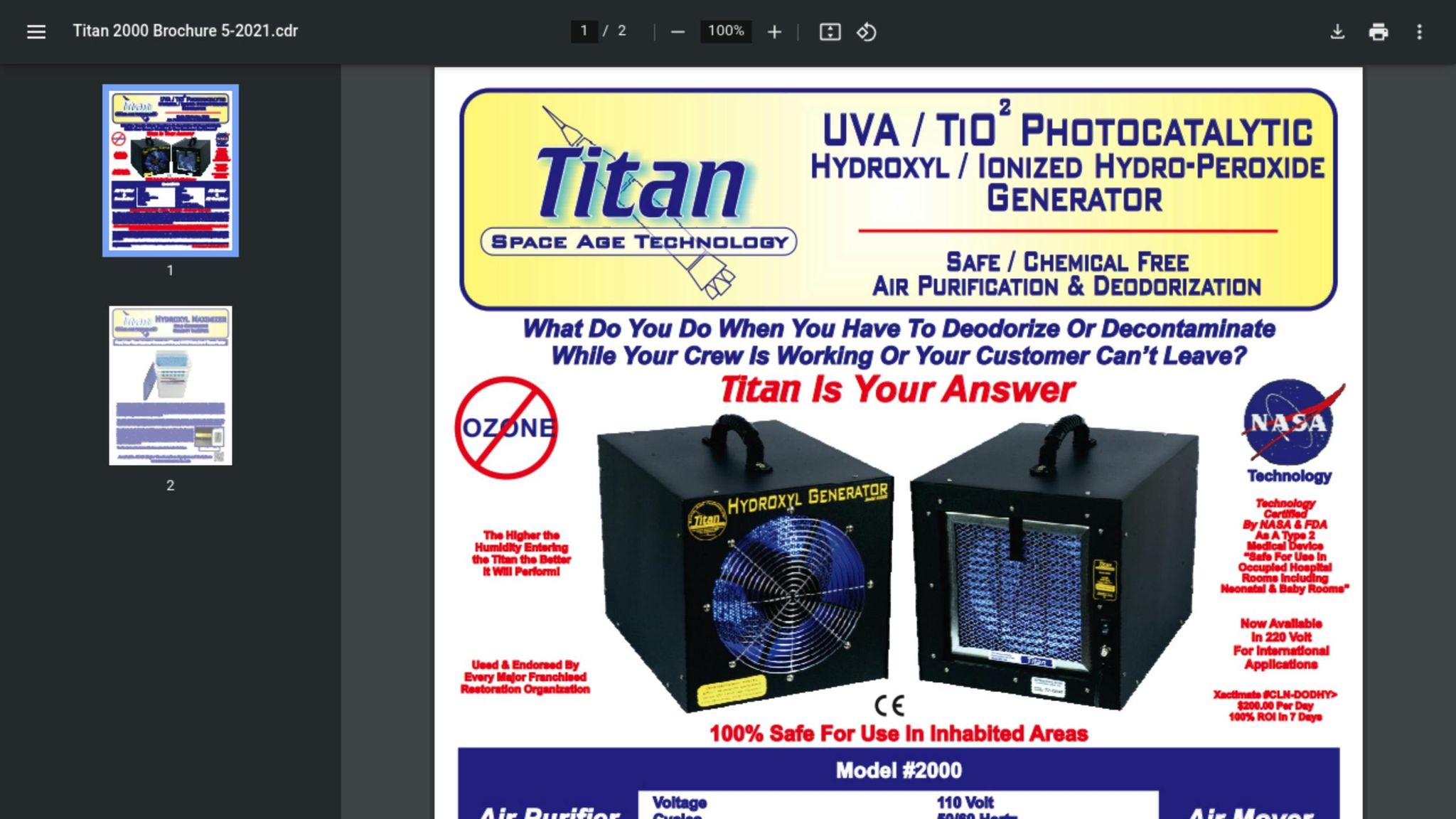
This unit is designed to neutralize the various odor types hydroxyl technology eliminates in commercial and residential settings.
How Hydroxyl Generators Work
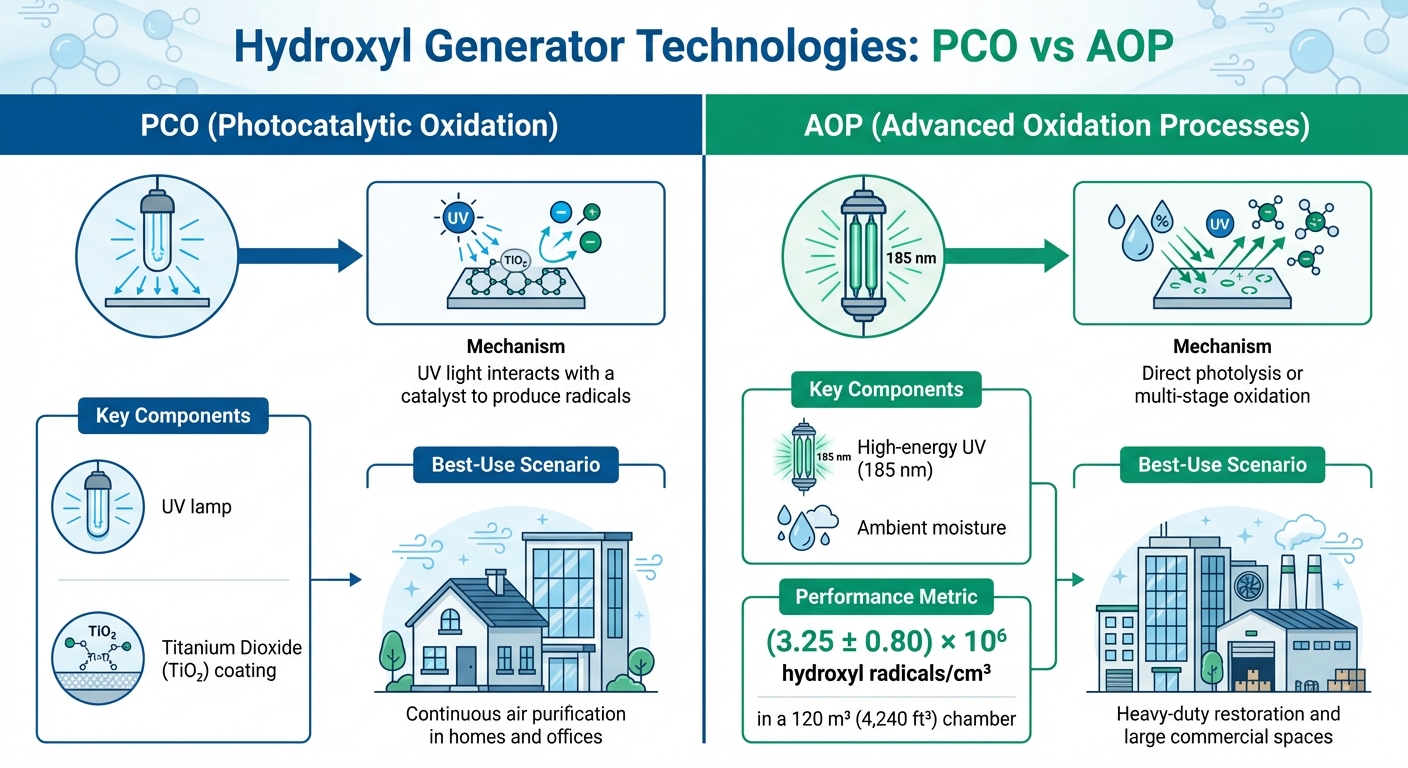
PCO vs AOP Hydroxyl Generator Technologies Comparison
The Science Behind Hydroxyl Radicals
Hydroxyl generators mimic a natural process where sunlight interacts with water vapor in the atmosphere to create hydroxyl radicals (•OH). These radicals are nature’s air purifiers, breaking down pollutants and cleaning the air. Indoors, professional generators replicate this phenomenon using high-energy UV light.
The process, called photolysis, involves 185 nm UV light splitting water molecules (H₂O) into hydrogen and oxygen atoms, which then form hydroxyl radicals. Although these radicals have an extremely short half-life – lasting less than a second – they are incredibly powerful, second only to fluorine as an oxidant.
Once formed, hydroxyl radicals initiate a chain reaction that produces secondary oxidants, including vaporous hydrogen peroxide (H₂O₂). These oxidants disperse through the air, reaching even hard-to-access areas like corners and surfaces far from the generator. When the radicals encounter contaminants such as volatile organic compounds (VOCs), odors, bacteria, viruses, or mold spores, they attack the molecular structure by removing hydrogen atoms. This reaction breaks the contaminants down into harmless byproducts like carbon dioxide (CO₂) and water (H₂O). The result? A thorough neutralization of pollutants, ensuring odors and harmful compounds don’t return once the generator is switched off.
Technologies Used in Hydroxyl Generators
Hydroxyl generators typically rely on two core technologies: Photocatalytic Oxidation (PCO) and Advanced Oxidation Processes (AOP).
PCO systems work by directing UVC light onto a catalyst surface, often titanium dioxide (TiO₂). This interaction triggers a chemical reaction that generates radicals from the moisture in the air. These systems are ideal for maintaining air quality in spaces where people are present, as they operate continuously without disrupting normal activities.
AOP systems, on the other hand, take a broader approach. They often use direct photolysis with 185 nm UV light to split water vapor molecules. Studies have shown that an AOP system can maintain a concentration of (3.25 ± 0.80) × 10⁶ hydroxyl radicals/cm³ in a 120 m³ (4,240 ft³) chamber. These systems are particularly effective for demanding restoration tasks and large commercial environments.
| Technology | Mechanism | Key Components | Best-Use Scenario |
|---|---|---|---|
| Photocatalytic Oxidation (PCO) | UV light interacts with a catalyst to produce radicals | UV lamp + Titanium Dioxide (TiO₂) coating | Continuous air purification in homes and offices |
| Advanced Oxidation Processes (AOP) | Direct photolysis or multi-stage oxidation | High-energy UV (185 nm) + ambient moisture | Heavy-duty restoration and large commercial spaces |
Since hydroxyl generation depends on air moisture, maintaining adequate humidity is crucial. In low-humidity areas, using a humidifier or cold vapor injector alongside the generator ensures enough moisture for optimal performance. Gentle airflow, provided by fans or an HVAC system, also helps distribute the radicals and secondary oxidants effectively throughout the space.
These technical details lay the groundwork for understanding the practical advantages and ideal usage conditions of hydroxyl generators.
Benefits of Hydroxyl Generators
Safe for Occupied Spaces
One of the standout features of hydroxyl generators is their safety for use in spaces where people, pets, and plants are present. Unlike other air purification systems that might require evacuation during operation, hydroxyl generators produce byproducts like oxygen and vaporous hydrogen peroxide that are safe for occupied areas.
"The main benefit of using a true hydroxyl generator is that they are safe to use in occupied areas for deodorization purposes." – Russ McCubbin, President, International Ozone Technologies Group, Inc.
This safety advantage allows businesses like hotels, restaurants, nursing homes, and childcare centers to keep running without interruption. Restoration professionals can also clean and deodorize spaces without needing to clear them out, saving time and avoiding logistical headaches. Some models even carry FDA certification as Type 2 Medical Devices, making them suitable for hospitals, including neonatal units. Interestingly, this technology traces its roots back to NASA research, initially developed to purify air safely aboard the space station.
Effective Against Odors and Pathogens
Hydroxyl generators excel at neutralizing a wide range of odors and volatile organic compounds (VOCs). Whether dealing with smoke from fires, water damage, mold, protein fires, trauma scenes, or even skunk spray, these systems tackle the toughest challenges.
"Hydroxyl generators produce oxidizing gases that break apart odor molecules. Hydroxyls can eliminate a much broader range of odors and VOCs as compared to ozone." – Michelle Blevins, Restoration & Remediation
These devices go beyond merely covering up smells – they actively dismantle odor molecules and destroy airborne bacteria, viruses, and fungi. By breaking down contaminants into harmless carbon dioxide and water, they create a cleaner and healthier environment. Plus, they’re gentle on materials, so they won’t bleach fabrics, damage damp carpets, or degrade rubber and plastic components. This makes them an excellent choice for spaces where both effective disinfection and material preservation are priorities.
Eco-Friendly and Chemical-Free
Hydroxyl generators offer an entirely natural way to purify air, harnessing high-energy UV light to replicate the sun’s natural cleaning process. They work without relying on chemical additives, using only ambient oxygen and water vapor to produce hydroxyl radicals.
"Professional-grade hydroxyl generators use the same broad range of UV radiation as the sun to naturally clean and deodorize indoor environments." – Restoration & Remediation Magazine
This means no need for harsh disinfectants, synthetic fragrances, or liquid detergents that could leave residues or cause sensitivities. The process is powered solely by electricity and moisture, breaking down pollutants into safe byproducts without introducing anything foreign into the environment. For organizations focused on sustainability or serving individuals sensitive to chemicals, hydroxyl technology aligns seamlessly with green building standards and indoor air quality goals. Best of all, these systems can run continuously without leaving behind any chemical residues.
sbb-itb-5fea4da
Best Operating Conditions for Hydroxyl Generators
Humidity and Airflow Requirements
For hydroxyl generators to work effectively, maintaining the right humidity and airflow is essential. While some advanced models can function with humidity as low as 5%, they perform best when humidity levels reach 60% or higher. This is because higher humidity provides the necessary water vapor for generating hydroxyl radicals.
"60%+ humidity is preferred for optimal hydroxyl generator performance." – Russ McCubbin, President, International Ozone Technologies Group, Inc.
If you’re dealing with a dry environment, tools like a "Maximizer" cold vapor injector or a humidifier can help increase moisture levels. However, humidity alone won’t cut it – airflow is just as important. Since hydroxyl radicals have an extremely short lifespan of less than two seconds, strong airflow is needed to carry them to contaminants quickly.
"Since hydroxyls live less than two seconds, it is necessary and beneficial to have as much air movement as possible to move the hydroxyls out of the machine and as far away as possible in the two second time allotment. 5,000+ CFM will do a much better job than 500 to 600 CFM." – Russ McCubbin, President, International Ozone Technologies Group, Inc.
To achieve this, pair your generator with high-volume air movers capable of circulating over 5,000 CFM. This level of airflow helps distribute hydroxyl radicals throughout the space, even reaching tough-to-access areas. In contrast, standard air movers pushing only 500–600 CFM won’t provide the same level of coverage or effectiveness.
For the best results, ensure proper humidity, robust airflow, and continuous operation.
Continuous Operation for Best Results
Hydroxyl generators are designed to operate continuously in occupied spaces, making them highly convenient for restoration projects. Running the equipment 24/7 allows the treatment process to happen alongside active cleaning, saving time and minimizing disruptions to businesses.
"The hydroxyl generator will be running while the physical work is being done, not after the cleaning is all done. So the job is now streamlined and the odor will be gone sooner." – Tom McArdle, Vice President, Odorox Hydroxyl Group
Although hydroxyl generators may require a 36-hour treatment cycle – compared to 24 hours for ozone treatments – they thoroughly address odors embedded deep within surfaces. To maintain optimal performance, make sure to replace UV optics after 4,000 hours of use. Even if the lights are still functioning, their effectiveness diminishes over time.
Applications of Hydroxyl Generators
Commercial Uses
Hydroxyl generators have become go-to equipment for disaster restoration and property management. Restoration professionals use these devices in situations where continuous operation is necessary, such as during drying, cleaning, and demolition projects. One big advantage? There’s no need to evacuate the area while the machines are running.
Hotels and office spaces also benefit from this technology, especially when dealing with tough odors like cigarette smoke, strong cooking smells, or lingering scents from previous occupants. These generators can handle large areas, from retail stores to industrial facilities. A typical professional unit can cover between 1,000 and 1,500 square feet, assuming ceilings are 10 to 15 feet high, even under heavy odor conditions.
Healthcare and childcare facilities rely on hydroxyl generators to neutralize viruses, bacteria, and volatile organic compounds (VOCs) in occupied spaces. They’re safe to use around sensitive items like electronics, artwork, leather, and important documents. For businesses in the Chicagoland area, Ozonated Cleaning LLC offers tailored hydroxyl treatment services to address specific odor and contamination challenges. While primarily used in commercial settings, the technology is just as effective in residential environments.
Residential Applications
For homeowners, hydroxyl generators offer a practical way to maintain clean, odor-free living spaces without disrupting daily life. They excel at handling stubborn smells caused by pets, cooking, and everyday activities, all while reducing allergens and sanitizing the air. Since hydroxyls are safe for people, pets, and even plants, families can continue their routines without interruption. These machines are particularly helpful for allergy sufferers, as they break down airborne particles and VOCs that can trigger respiratory problems. Ozonated Cleaning LLC provides residential odor removal services, with pricing ranging from $600 to $900 depending on the size of the home.
Vehicle and Specialty Uses
Hydroxyl generators also shine in confined spaces like vehicles, RVs, boats, and semi-trucks, where traditional odor removal methods often fall short. They effectively neutralize smells from smoke, mildew, fuel, and more, all while being safe for materials like rubber, plastic, leather, and vinyl. Unlike harsher treatments, hydroxyl radicals won’t harm dashboards, upholstery, or electronic components, making them a safe and thorough option for deodorizing vehicles. In the Chicagoland area, Ozonated Cleaning LLC offers vehicle deodorization services at $150 per car and $200 per semi-truck, with custom pricing available for RVs and boats. Whether it’s a lingering smoke odor or musty mildew, hydroxyl treatment gets to the root of the problem without damaging your property.
Conclusion
This guide has explored the science behind hydroxyl generators, along with their benefits and various uses. These devices provide a safe and effective way to purify air, all while being environmentally friendly. Producing around two million hydroxyls per cubic centimeter, they generate oxygen that’s safe for people, pets, and plants to stay in the area during treatment. This makes them perfect for businesses that can’t afford interruptions and for homeowners who need to maintain their daily routines.
Hydroxyl technology replicates nature’s air-cleaning process by using UV light to create oxidizers that neutralize volatile organic compounds (VOCs), bacteria, viruses, and stubborn odors from sources like fire, smoke, and mold. To achieve the best results, it’s important to maintain proper humidity levels and run the units continuously, especially in sensitive spaces such as healthcare facilities and childcare centers.
Professional-grade units are typically capable of treating spaces between 1,000 and 1,500 square feet with ceilings up to 10–15 feet, even when dealing with strong odors. The operating conditions and versatile applications highlighted throughout this guide demonstrate how hydroxyl generators can be a practical solution for commercial restoration projects, professional vs DIY pet odor removal, and even vehicle deodorization.
For those in the Chicagoland area, Ozonated Cleaning LLC offers customized hydroxyl treatment services using professional equipment and proper humidity control. This technology provides a reliable, continuous, and safe way to purify the air for homes and businesses in the region.
FAQs
Are hydroxyl generators really safe around people and pets?
Hydroxyl generators are designed to be safe for both people and pets when used correctly and in line with the manufacturer’s instructions. These devices produce hydroxyl radicals, which help neutralize contaminants in the air. Unlike some other technologies, they don’t release harmful ozone, making them a good option for continuous use in spaces where people and animals are present.
What humidity level is ideal for a hydroxyl generator to work effectively?
Hydroxyl generators work most efficiently when the humidity level is around 60%. However, they can still function well even in lower humidity conditions without needing extra moisture. Keeping the humidity within this range helps ensure the best performance and outcomes.
How long does hydroxyl treatment usually take to remove odors?
Hydroxyl treatment usually takes around 80 minutes to eliminate odors. That said, if you’re dealing with stronger odors or treating a larger area, the process might need to be extended. In such cases, it could take anywhere from three to five days to get the best results.
Recent Comments