
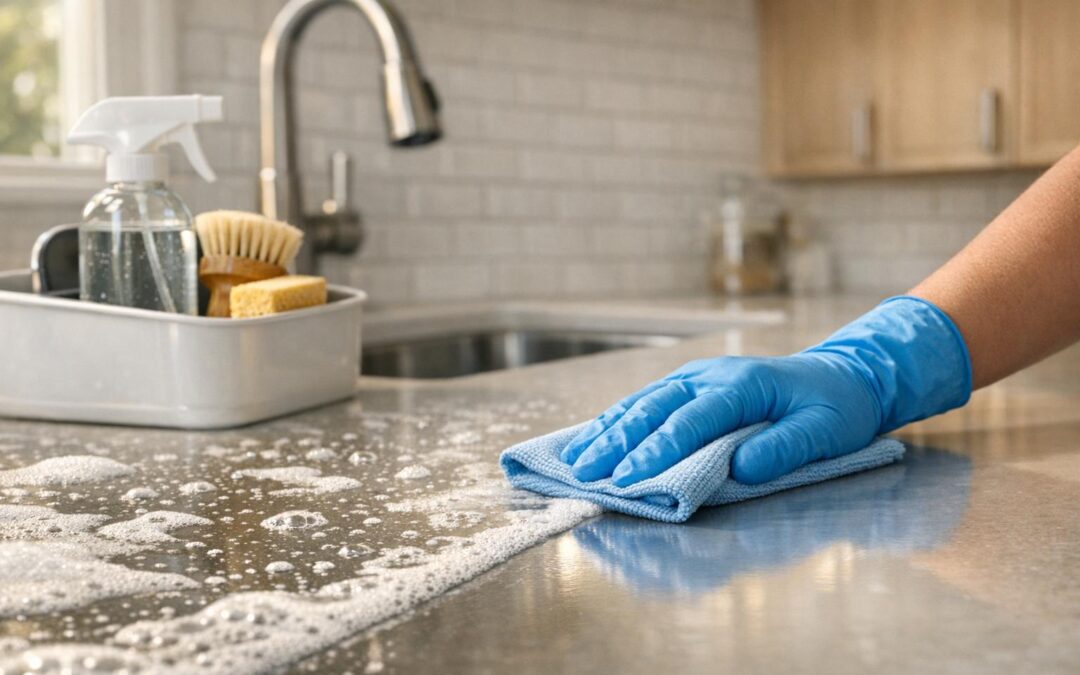
Maintaining a clean kitchen isn’t just about aesthetics – it’s about fostering a safe and healthy environment for you, your family, or your business. The kitchen, as the heart of any home or commercial space, deserves special care due to its frequent use and its role in food preparation. In this comprehensive guide, we’ll walk you through a methodical approach to deep cleaning your kitchen, ensuring every corner sparkles.
Drawing from expert cleaning techniques, this process emphasizes cleanliness, organization, and efficiency. Whether you’re a homeowner, landlord, or business owner in Chicagoland, these steps will help you tackle stubborn kitchen messes with confidence.
Why Deep Clean Your Kitchen?
A deep-cleaned kitchen isn’t just about appearances. Over time, dirt, grease, food particles, and bacteria can build up on surfaces, leading to unpleasant odors and potential health risks. Regular deep cleaning ensures:
- Better hygiene for food preparation.
- Reduction of allergens, grime, and bacteria.
- Elimination of stubborn stains and odors.
- A refreshing, welcoming space for daily use.
Now, let’s dive into the step-by-step process of transforming your kitchen into a pristine sanctuary.
sbb-itb-5fea4da
Step 1: Gather Your Cleaning Supplies
The first step to an effective kitchen deep clean is assembling the right tools and products. Having designated supplies for specific areas will help prevent cross-contamination (e.g., kitchen cloths should never be used in the bathroom). Here’s what you need:
- Multi-surface cleaner (preferably eco-friendly, in a green bottle to signify safe use around food).
- Sif or similar creamy cleaning products for tackling tough stains.
- Biacal for cleaning sinks and eliminating lime scale.
- Bleach (used sparingly for sanitizing sponges and removing stains).
- Designated cleaning cloths (color-coded for different areas):
- Green cloth: For food and kitchen surfaces.
- Brown cloth: For cabinets.
- Separate sponges and cleaning pots for the kitchen (distinct from bathroom cleaning supplies).
Pro Tip: Always opt for eco-friendly products if possible to maintain a safe environment for your family or customers.
Step 2: Clear the Area
Start by removing all items from your kitchen surfaces. This includes utensils, small appliances, and decor. Having a clear space allows you to clean more effectively.
Key Actions:
- Remove Dirt and Crumbs First: Use a green cloth or small brush to clear away crumbs and food remnants. Starting with a clean surface helps avoid spreading grime.
- Dispose of Food Waste Properly: Collect food scraps and throw them into the appropriate bin to prevent unpleasant odors.
Step 3: Tackle Stubborn Stains and Grease
Once surfaces are clear, it’s time to address stains and grease deposits. Stains from coffee, tea, curry, or oils can be particularly stubborn but are manageable with the right approach.
Key Actions:
- Apply Sif to stained areas for its cream-based scrubbing power.
- Use gentle circular motions to work the cleaner into the surface, loosening the grime.
- For persistent stains, add a small amount of diluted bleach to lift discoloration (only on surfaces safe for bleach).
Step 4: Clean the Sink Thoroughly
The sink is often one of the dirtiest parts of the kitchen, as it handles food remnants, oils, and frequent moisture. Follow these steps to leave your sink looking brand new:
- Remove Food Remains: Start by collecting all food waste and rinsing it into the garbage disposal or bin.
- Apply Biacal for Lime Scale: Spray Biacal to target lime scale and let it soak for a few minutes.
- Scrub with Sif and Bleach: Use a separate sponge to scrub the sink thoroughly with a combination of Sif and a small amount of bleach. Focus on areas prone to staining, such as the edges and water spouts.
- Rinse and Wipe Dry: Rinse the sink with water, ensuring all cleaning agents are removed. Finish by wiping it down with a green cloth to reveal a polished, fresh sink.
Pro Tip: To ensure optimal drainage, turn the sink grate upside down so the water flows toward the drain more effectively.
Step 5: Clean Cabinets and Appliances
Cabinets and appliances often accumulate dust, fingerprints, and grease. Using a designated brown cloth for cabinets ensures cross-contamination is avoided.
Key Actions:
- Lightly dampen the cloth with water and a small amount of multi-surface cleaner.
- Wipe down cabinet exteriors, focusing on handles and corners where dirt tends to build up.
- For appliances, use the same cleaner but switch to a microfiber cloth for a streak-free finish.
Step 6: Final Touches for Surfaces
To leave your kitchen looking truly spotless:
- Wipe surfaces in one direction only to remove soap and impurities effectively.
- If surfaces feel too soapy, rinse your sponge or cloth and repeat until no residue remains.
- Allow surfaces to air dry naturally, or, for an extra shine, use a dry cloth to polish them.
Key Takeaways
Cleaning your kitchen doesn’t have to feel overwhelming. By following these steps, you can achieve a professional-level clean that’s both effective and eco-friendly. Here are the key points to remember:
- Organize your tools: Use separate, color-coded cloths and sponges for different areas to maintain hygiene.
- Start with crumbs: Always remove food remains first to clean on a fresh surface.
- Use targeted cleaners: Products like Sif for stains, Biacal for lime scale, and multi-surface cleaner for general areas make a difference.
- Focus on the sink: Pay special attention to the sink, as it’s a hotspot for bacteria and grime.
- Avoid cross-contamination: Never use bathroom cleaning tools in the kitchen – dedicated supplies are crucial.
- Direction matters: When wiping surfaces, move in one consistent direction to remove impurities effectively.
- Eco-friendly options: Opt for green cleaning products whenever possible to protect your health and the environment.
Conclusion
A meticulously clean kitchen doesn’t just enhance the space’s appearance – it promotes health, hygiene, and peace of mind. Whether you’re maintaining your home or a business property, adopting these professional cleaning practices ensures a fresh and inviting kitchen environment.
By staying organized, using targeted products, and following these step-by-step instructions, you can transform your kitchen into a space that shines. Remember, regular maintenance is key to preventing build-up and keeping your kitchen ready for whatever culinary adventures come its way.
Happy cleaning!
Source: "How to Clean Your Kitchen PROPERLY – Step-by-Step Deep Clean Guide" – Frunze Cleaning, YouTube, Feb 23, 2026 – https://www.youtube.com/watch?v=OOMmXqiUwZQ
Recent Comments