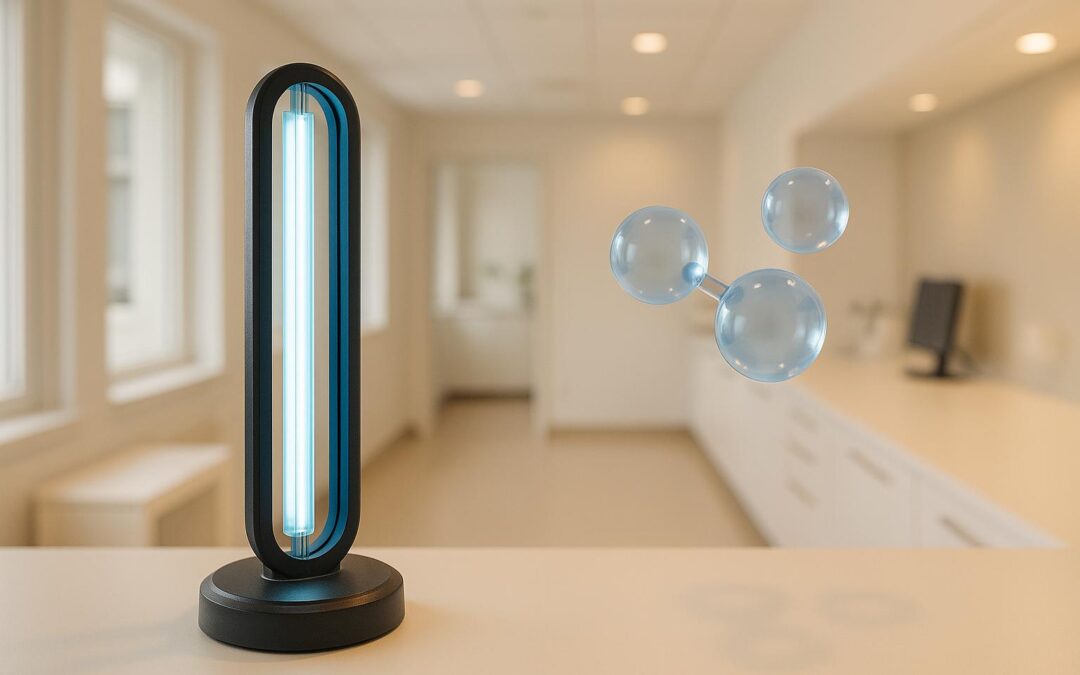
UV-C light and ozone are two popular methods for disinfecting air, each with unique strengths and limitations. UV-C light uses ultraviolet radiation to destroy pathogens‘ DNA, making it effective in occupied spaces when properly installed. Ozone, a reactive gas, penetrates hard-to-reach areas and eliminates odors but requires spaces to be vacated due to its toxicity. Here’s a quick overview to help you choose:
- UV-C Light: Best for continuous air disinfection in occupied spaces like offices, hospitals, and schools. Requires direct exposure to pathogens and regular maintenance.
- Ozone: Ideal for deep cleaning and odor removal in unoccupied spaces like homes, vehicles, and boats. Effective but poses health risks if safety protocols aren’t followed.
Quick Comparison
| Feature | UV-C Light | Ozone |
|---|---|---|
| Pathogen Elimination | Targets DNA, effective in direct line-of-sight | Oxidizes pathogens, reaches hidden areas |
| Safety | Safe in occupied spaces with shielding | Unsafe for humans during treatment |
| Odor Removal | Limited | Highly effective |
| Treatment Time | Continuous or short bursts | 30–120 minutes in unoccupied areas |
| Cost | Moderate to high setup cost | Low to moderate equipment cost |
| Best Use | Hospitals, offices, schools | Homes, vehicles, odor removal |
For ongoing disinfection in spaces with people, UV-C light is the better choice. If you’re tackling odors or need thorough cleaning in unoccupied areas, ozone is more effective. Always follow safety guidelines to protect health.
UVC Light or Ozone as a Disinfectant?
How UV-C Light Disinfection Works
UV-C light relies on high-energy ultraviolet radiation to disrupt the genetic material of pathogens, preventing them from replicating. This method, which doesn’t involve chemicals, has been a trusted tool for decades in hospitals, labs, and water treatment facilities. Let’s break down how UV-C light works to neutralize pathogens and where it’s most effectively used.
How UV-C Light Kills Pathogens
UV-C light targets the DNA or RNA of bacteria, viruses, and fungi through germicidal irradiation, using wavelengths between 200 and 280 nanometers. This process effectively halts their ability to reproduce. In controlled environments, UV-C disinfection can reduce airborne pathogens by up to 99.9%. For instance, research found that far-UV-C light at 222 nanometers eliminated 99.9% of airborne coronaviruses in just 25 minutes.
Where UV-C Light Is Used
Hospitals and healthcare settings are among the primary users of UV-C disinfection. Many hospitals employ UV-C robots to sanitize patient rooms between uses, significantly reducing healthcare-associated infections. Beyond healthcare, UV-C technology is commonly incorporated into HVAC systems in commercial buildings, where lights installed inside air ducts disinfect circulating air. This approach has gained traction in schools and offices, particularly during flu seasons and pandemics. Additionally, upper-room UV-C installations – mounted above eye level – offer continuous air treatment in occupied spaces without exposing people to direct UV-C light.
UV-C Light Drawbacks
UV-C disinfection requires direct exposure to be effective, meaning areas blocked by shadows, dust, or obstructions may go untreated. Direct exposure to UV-C light can cause skin burns and eye injuries, so these systems are typically used in unoccupied spaces or designed with safety mechanisms. Lamps emitting wavelengths below 200 nanometers may produce ozone, but modern systems operating at 254 nanometers minimize this issue. To ensure effectiveness, proper exposure time, adequate airflow, and regular maintenance are crucial.
How Ozone Disinfection Works
Ozone disinfection brings a distinctive edge to air purification, setting it apart from methods like UV-C light. Instead of relying on light beams, ozone uses a reactive gas that can seep into cracks, fabrics, and other hidden areas that UV-C might miss. This makes it particularly effective for spaces with complex layouts. Let’s dive into how ozone’s oxidation process works to neutralize pathogens and eliminate odors.
How Ozone Kills Pathogens
Ozone gas (O₃) works by oxidation – a chemical process that disrupts the cellular structure of pathogens. When ozone interacts with bacteria, viruses, or fungi, it damages their cell walls and internal systems, rendering them inactive. Beyond killing pathogens, ozone also breaks down organic substances into harmless byproducts like carbon dioxide, oxygen, and trace amounts of water. Research shows that ozone can neutralize up to 99.99% of certain viruses and bacteria under controlled conditions. Effective disinfection usually requires ozone concentrations of 1–5 parts per million (ppm) for 30–60 minutes in spaces that are unoccupied during treatment.
Where Ozone Is Used
Ozone is particularly useful in environments where traditional cleaning methods can’t reach every nook and cranny. Homes, vehicles, RVs, and boats often benefit from its ability to penetrate deep into corners and crevices, tackling both odors and microbial contaminants. For example, Ozonated Cleaning LLC has successfully used ozone disinfection to eliminate smoke odors from Chicago residences. After running ozone generators and ensuring proper ventilation, clients report a noticeable improvement in air quality and complete odor removal.
"Ozone actively breaks down organic substances into harmless byproducts – carbon dioxide, oxygen, and minimal water – leaving no harmful residues."
- Ozonated Cleaning LLC
This ability to target both pathogens and odors makes ozone a powerful choice for thorough disinfection.
Ozone Drawbacks
Despite its effectiveness, ozone comes with risks, particularly its toxicity to humans and animals. Exposure can cause respiratory issues, such as reduced lung function, aggravated asthma, and chest discomfort. For this reason, spaces being treated with ozone must remain unoccupied, and proper ventilation is essential before re-entry.
Regulatory agencies like the U.S. Environmental Protection Agency (EPA) and the Occupational Safety and Health Administration (OSHA) enforce strict guidelines on ozone use. OSHA limits workplace exposure to 0.1 ppm over an 8-hour period, and the EPA advises against using ozone generators in occupied spaces.
Another downside is that ozone can react with indoor pollutants, sometimes creating harmful byproducts. It may also damage sensitive electronics or materials prone to oxidation. To ensure safety, ozone treatment should be handled by trained professionals who can monitor its levels and verify when it’s safe to re-enter the treated area. Typically, ozone dissipates within 30 minutes to several hours depending on the environment. Warning signs and barriers should always be in place to prevent accidental exposure during treatment.
UV-C Light vs. Ozone: Side-by-Side Comparison
When deciding between UV-C light and ozone for air disinfection, it’s important to understand how these methods differ in their approach, effectiveness, and safety considerations. Both are effective at killing pathogens, but they operate in distinct ways and come with unique requirements.
Comparison Table: Key Features
| Feature | UV-C Light | Ozone |
|---|---|---|
| Pathogen Elimination | Highly effective against bacteria, viruses, and mold | Moderately effective (requires unsafe concentrations) |
| Safety in Occupied Spaces | Safe with proper shielding | Unsafe at effective disinfection levels |
| Coverage Area | Works only in direct line-of-sight | Covers entire rooms, including hidden areas |
| Odor Removal | Limited capability | Very effective at eliminating odors |
| Byproducts | May produce minor ozone amounts | Can generate harmful chemical byproducts |
| Installation Cost | Moderate to high (requires professional setup) | Low to moderate (simpler equipment) |
| Regulatory Approval | Widely accepted by EPA and CDC | Not recommended for use in occupied spaces |
| Treatment Time | Can operate continuously | Requires 30–120 minutes per session |
The following breakdown of pros and cons can help you weigh the practical applications of each method.
Pros and Cons of Each Method
UV-C Light
UV-C light is ideal for continuous disinfection, especially in spaces that remain occupied. Properly installed systems can operate safely without posing risks to people. However, its effectiveness is limited to areas within its direct line-of-sight, meaning shaded or hidden spots may not receive adequate treatment. Regular maintenance is necessary to ensure optimal performance, and UV-C light is less effective at removing odors or treating concealed spaces.
Ozone
Ozone excels in reaching every corner of a room, including areas UV-C light can’t access, such as fabrics, cracks, and edges. It’s also highly effective at eliminating odors and leaves no harmful residues once it decomposes. However, ozone is toxic to humans and animals, requiring spaces to be fully evacuated during treatment. According to OSHA, safe exposure is capped at 0.1 ppm over an 8-hour period, but effective disinfection often demands concentrations between 1 and 5 ppm for 30–60 minutes. Additionally, ozone can react with indoor pollutants, potentially creating harmful byproducts.
sbb-itb-5fea4da
When to Use Each Method
Use UV-C light for occupied, controlled environments, and opt for ozone treatment when deep, thorough disinfection is needed in spaces that can be temporarily vacated.
Best Situations for UV-C Light
UV-C light is ideal for small, controlled environments where people can remain present during disinfection. Hospitals frequently rely on UV-C technology, often deploying UV-C robots to sanitize patient rooms between uses, which has been shown to lower infection rates.
This method is particularly effective in healthcare facilities, laboratories, and clinics, as it allows for continuous operation without requiring evacuation. Far-UVC systems, for instance, have demonstrated an impressive 98%+ reduction in airborne microbes within five minutes in large room-sized chambers. To put this into perspective, this performance equals 184 air changes per hour, far surpassing the 5–20 air changes provided by typical ventilation systems.
For high-traffic areas like offices, schools, and public buildings, UV-C systems integrated into HVAC units and air ducts provide ongoing protection against airborne pathogens while allowing normal operations to continue. However, UV-C is often paired with HEPA or carbon filtration to address particulates, allergens, and volatile organic compounds that UV-C light alone cannot eliminate.
While UV-C shines in occupied environments, ozone treatment offers a broader reach for spaces with intricate layouts or hard-to-access areas.
Best Situations for Ozone
Ozone treatment is perfect for large, complex spaces that can be temporarily vacated. Its ability to reach every corner makes it ideal for environments where UV-C light may struggle to disinfect all surfaces and crevices.
Ozone penetrates deep into fabrics and hidden areas, effectively eliminating odors and pathogens. It works by breaking down odor-causing compounds at the molecular level, converting them into harmless substances like carbon dioxide, oxygen, and water. Commercial cleaning companies frequently use ozone generators to remove smoke odors and allergens in hotels and vehicles, with documented improvements in air quality.
Vehicles, RVs, and boats benefit significantly from ozone treatment, as their confined spaces and complex interiors can trap stubborn odors in upholstery, carpeting, and hard-to-reach areas.
For whole-building treatments, ozone is highly effective, especially in commercial spaces, rental properties, or homes recovering from issues like water damage, fire, or mold. These treatments require complete evacuation for safety, followed by proper ventilation before re-entry.
Ozonated Cleaning LLC: Professional Ozone Services
Leveraging ozone’s ability to reach even the most challenging areas, Ozonated Cleaning LLC offers professional ozone and hydroxyl disinfection services throughout Chicagoland. They serve residential, commercial, and vehicle environments, including RVs and boats, ensuring safe and thorough odor removal and sanitization.
Their services are particularly effective for tackling persistent odors, allergens, and surface disinfection in spaces prepared for treatment. With professional-grade equipment and strict safety protocols, the company ensures compliance with regulatory standards while delivering effective results.
Clients frequently share positive experiences with ozone treatments. For example, Ray L. shared:
"Ozonated Cleaning did a great job for me. They came to my condo on time. And they completely eliminated the horrible smell in my unit that was caused by the previous tenant. I would highly recommend Ozonated Cleaning for all your deodorization needs."
Another client, Giedre G., noted:
"When I bought the house it had specific ‘Old house’ smell. I tried many things but nothing was working. Googled odor removal near me and found this chemical-free treatment from this company. They only use Ozone. After 8 hours the smell is eliminated. Made such a difference and it was really worth it."
Pricing for vehicle treatments starts at $150 per vehicle, while semi-truck sanitization costs $200 per truck for thorough odor and bacteria removal. Home treatments range from $600–$900 depending on size, offering a complete refresh through ozone technology.
Ozonated Cleaning LLC also incorporates hydroxyl technology, which complements ozone by achieving a 99.99% kill rate against viruses, bacteria, fungi, and other microorganisms, as confirmed by Kansas State University research. This chemical-free method leaves no harmful residues, making it an excellent choice for those seeking professional-grade sanitization.
Safety and Regulations
After exploring the differences between disinfection methods, it’s crucial to understand the safety protocols and U.S. regulations surrounding UV-C light and ozone treatments. Both technologies demand strict adherence to safety measures to prevent harmful exposure.
UV-C Light Safety Guidelines
Direct exposure to UV-C light can lead to burns and eye injuries, making it essential to use these systems in unoccupied areas or with built-in safety features. For instance, systems operating at 254 nm should include safeguards like UV-blocking protective gear and automatic shut-off mechanisms. Professional setups often integrate motion sensors to deactivate equipment if someone enters the treatment zone. Additionally, warning signs should be placed at all entry points when the system is active. To ensure continued safety and efficiency, regular maintenance – like cleaning quartz tubes and replacing lamps – is a must.
Far-UVC technology, which operates at 222 nanometers, is safer for use in occupied spaces because it doesn’t penetrate living skin or eyes. Even so, these systems must comply with strict exposure limits and require proper certification for use in areas with people present. It’s also important to note that some UV-C air purifiers can unintentionally produce ozone if their lamps lack adequate coatings or shielding. To avoid this, select devices labeled as ozone-free and always follow the manufacturer’s installation and maintenance instructions.
Ozone treatments come with their own set of stringent safety measures, as detailed below.
Ozone Safety Guidelines
Ozone, while effective for disinfection, is inherently toxic and requires extreme caution. Spaces undergoing ozone treatment must be completely unoccupied, as exposure can cause respiratory irritation, reduced lung function, and worsen asthma symptoms. After treatment, ensure proper ventilation and confirm that ozone levels have dropped below 0.05 ppm before anyone re-enters the space. Restricting access during and immediately after treatment is essential to prevent accidental exposure.
Occupational limits set by OSHA cap ozone exposure at 0.1 ppm over an 8-hour work shift, while the EPA advises keeping indoor ozone levels between 0.05 and 0.1 ppm. Professional services, such as Ozonated Cleaning LLC, strictly follow these guidelines. They use ozone only in unoccupied areas and ensure thorough ventilation afterward. Their technicians are trained in regulatory compliance and rely on monitoring tools to verify safe conditions before allowing re-entry.
U.S. Regulations and Standards
Several federal agencies regulate the use of UV-C and ozone technologies. The FDA oversees UV-C devices designed for medical or public health purposes, requiring manufacturers to submit safety and efficacy data for approval. Meanwhile, the EPA regulates ozone generators under FIFRA (Federal Insecticide, Fungicide, and Rodenticide Act) and establishes indoor air quality standards. Notably, the EPA does not certify or recommend ozone generators for air cleaning in occupied spaces due to associated health risks.
The EPA’s National Ambient Air Quality Standard for ozone is 0.070 ppm for outdoor air averaged over eight hours, and indoor levels should be kept as low as possible. Additionally, state and local governments may enforce stricter requirements, such as licensing for commercial disinfection services and specialized training for technicians. Both the FDA and EPA mandate accurate product labeling and prohibit unsubstantiated health claims. Any product making medical claims must undergo premarket review.
The consequences of improper exposure can be severe. UV-C light can cause burns, eye damage, and increase the risk of skin cancer. Ozone exposure may lead to chest pain, coughing, shortness of breath, and a higher likelihood of respiratory infections. Anyone experiencing these symptoms after exposure should seek immediate medical care.
Following these regulations and safety protocols is essential to use UV-C and ozone disinfection systems effectively and responsibly.
Conclusion
Main Points Summary
UV-C light and ozone each serve unique purposes in disinfection. UV-C light – especially far-UV-C technology operating at 222 nanometers – has proven highly effective for continuous disinfection in spaces where people are present. Far-UV-C systems can reduce airborne viruses by 99.8% and provide the equivalent of up to 184 additional air changes per hour.
Ozone, on the other hand, works by oxidizing contaminants, breaking them down into harmless byproducts like carbon dioxide, oxygen, and trace amounts of water. Since ozone decomposes quickly, it leaves no residues, making it an excellent choice for tasks like vehicle sanitization, fire damage restoration, and eliminating stubborn odors.
While UV-C systems are safe for use in occupied spaces, ozone disinfection requires the area to be vacated and well-ventilated due to its toxicity. OSHA caps safe exposure at 0.1 ppm over an eight-hour period. These differences make it clear which technology is better suited for specific disinfection needs.
Final Recommendations
For spaces like offices, schools, or healthcare facilities that need ongoing disinfection while occupied, UV-C light is the ideal solution. When deep cleaning or odor removal is required in unoccupied areas – such as after a fire or in vehicle interiors – ozone treatment is the better option. However, ozone should always be handled by trained professionals.
For more complex disinfection needs, professional ozone services, like those offered by Ozonated Cleaning LLC in Chicagoland, ensure safe and effective results. Their technicians manage the entire process, from application to monitoring safety levels, ensuring the space is ready for re-entry.
Both UV-C light and ozone work best when paired with a broader strategy that includes regular cleaning, good ventilation, and proper hygiene practices. Together, these measures create a safer and healthier environment.
FAQs
What safety precautions should I take when using UV-C light for air disinfection in spaces where people are present?
Using UV-C light to disinfect air demands strict safety measures. Direct exposure to UV-C light can cause damage to both skin and eyes. To avoid this, it’s crucial to use devices that are designed with protective shielding or to operate UV-C systems only when no one is present in the area. Always adhere to the manufacturer’s instructions and safety guidelines.
If you’re uncertain about how to use these systems correctly, it’s a good idea to consult a professional to ensure safe installation and operation. For spaces where people are present, you might explore other disinfection options, such as ozone technology, which can be adjusted to meet specific requirements.
What are the potential health risks of ozone treatment, and how can they be safely managed?
Ozone treatment is a powerful method for eliminating odors and disinfecting spaces, but it comes with some health risks if not handled correctly. Since ozone is a reactive gas, exposure can irritate the respiratory system. For this reason, it’s crucial to ensure that no one is present in the area undergoing treatment.
To keep things safe, it’s best to leave ozone treatments to trained professionals who follow strict safety procedures. After the process is finished, ozone naturally breaks down into harmless oxygen, leaving no lingering residues. With proper ventilation and adherence to safety guidelines, this method can be both effective and safe.
Which is more effective for removing odors indoors: UV-C light or ozone?
Ozone works wonders when it comes to tackling indoor odors. It targets odor-causing molecules directly, breaking them apart at their core and transforming them into harmless substances. Since 2001, the FDA has recognized ozone as a safe antimicrobial agent, making it a reliable option for neutralizing tough odors caused by bacteria, mold, and other contaminants.
On top of that, when UV light interacts with water vapor and oxygen, it creates hydroxyl radicals. These radicals are incredibly effective at destroying harmful microorganisms, adding another layer of disinfection. Together, these methods offer a powerful way to achieve cleaner, fresher air indoors.
Recent Comments