
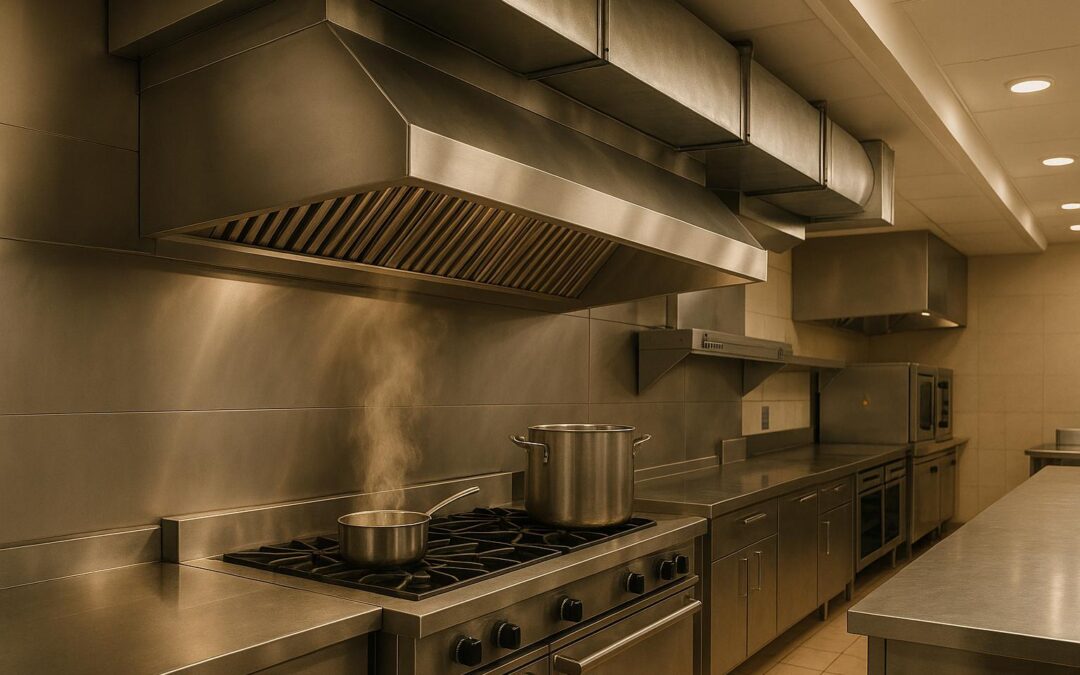
Food odors in commercial spaces can harm customer satisfaction, employee productivity, and even lead to regulatory penalties. Here’s what you need to know:
- Sources: Food spills, decomposing waste, dirty drains, and neglected HVAC systems often cause persistent odors.
- Impact: Over 80% of customers avoid businesses with bad smells. Poor air quality can lower productivity by 5–10% and may signal harmful bacteria or mold.
- Solutions:
- Start with visual inspections and smell tests.
- Use tools like electronic noses or GC-MS for precise odor detection.
- Professional services, such as ozone and hydroxyl treatments, neutralize odors at their root.
- Prevention: Regular cleaning, proper waste management, and employee training are key. Probiotic cleaners and advanced air filtration systems can help maintain odor-free spaces.
- Compliance: Keep detailed cleaning and maintenance records to meet local health regulations and avoid fines.
Takeaway: Effective odor management protects your reputation, ensures customer comfort, and keeps your business compliant.
How the Pros Do It: Odor Mitigation Tips, Strategies, and Best Practices for Cleaning & Restoration
Finding the Source of Food Odors
Tracking down the source of food odors requires a methodical approach. Common culprits often include food spills, leaks, improperly stored waste, dirty drains, and neglected garbage areas. If you don’t identify the root cause, you might only mask the problem instead of solving it. Here’s how to efficiently locate the source of those pesky odors.
Visual Inspections
Start with a detailed visual sweep of your space, focusing on areas prone to food and organic waste buildup. Kitchens, break rooms, trash storage zones, and food prep areas are prime spots to check. Look for signs like lingering residue, overflowing trash bins, moisture, or even mold. Don’t forget to check under appliances for hidden spills or debris, and inspect refrigerator and freezer seals for trapped food particles. Areas near sinks and drains, especially grease traps and floor drains in commercial kitchens, are common hiding spots for decomposing organic material. Use a checklist to document your findings, so nothing gets missed during future inspections.
Smell Tests
Follow up your visual inspection with a smell test. Walk through your space and note where odors are the strongest. Sometimes, a second (or third) nose can help, so involve your staff to get varied perspectives on odor intensity. For larger spaces, trained odor panels can provide more systematic evaluations. Be sure to record where and how strong the odors are, and revisit these areas after cleaning or maintenance to measure any progress.
Professional Detection Tools
If odors persist despite your best efforts, it might be time to bring in advanced tools. Devices like electronic noses and GC-MS (Gas Chromatography-Mass Spectrometry) are specifically designed to identify odor molecules with precision. Field olfactometers can measure odor concentration in real time, helping you pinpoint the source more effectively. These tools are especially useful for uncovering hidden issues, like odors trapped in HVAC systems, wall cavities, or under flooring. Keep in mind that human noses can become desensitized to lingering smells, so these tools can provide a more objective assessment.
For stubborn or regulatory-related odor problems, professional services can be a game-changer. Companies like Ozonated Cleaning LLC use advanced detection equipment alongside ozone and hydroxyl technology to trace and neutralize odors at their source. They also provide thorough documentation to help meet health and safety standards. Using these professional-grade methods ensures you’re not just managing odors temporarily but setting the stage for long-term solutions.
Technologies for Odor Tracing
When basic visual and smell tests aren’t enough, specialized detection tools step in to pinpoint the problem. Each method comes with its own advantages and limitations, making it easier to match the right technology to your specific needs. Here’s a closer look at the most commonly used odor detection methods.
Comparison of Odor Detection Methods
After an initial inspection, these advanced technologies help identify the exact sources of odors.
Electronic noses (e-noses) provide quick, real-time analysis, making them ideal for continuous monitoring. For example, in food processing facilities, they can alert staff to odor spikes before they escalate into customer complaints.
Gas chromatography-mass spectrometry (GC-MS) is widely regarded as the most precise tool for odor identification. In large commercial kitchens, GC-MS has been used to detect stubborn odor sources in exhaust systems, enabling targeted cleaning and improved filtration.
Field olfactometers offer a practical, on-the-go solution by allowing human assessors to measure odor intensity on-site. Environmental consultants often use these portable devices to investigate odor complaints near restaurants or food courts, helping to mediate conflicts.
| Technology | Speed | Accuracy | Cost | Skill Required | Best Use Case |
|---|---|---|---|---|---|
| Electronic Nose | Real-time | Moderate | Moderate | Low–Moderate | Continuous monitoring and screening |
| GC-MS | Hours to days | Very High | High | High | Complex odor identification and analysis |
| Field Olfactometer | Immediate | Based on human perception | Low–Moderate | Minimal | On-site assessment and complaint resolution |
Your choice depends on what you need. Electronic noses are fast and great for ongoing monitoring but may struggle with complex mixtures or faint odors. GC-MS delivers unmatched accuracy for identifying specific compounds but is costly and requires expert handling. On the other hand, field olfactometers are portable and provide instant feedback but rely on human perception, which can limit their effectiveness for subtle or intricate odors.
For high-demand environments like commercial kitchens, advanced air filtration systems can also play a role. These systems can signal when filters are full or when odor levels rise, making them particularly useful in spaces where environmental controls are critical.
How Ozonated Cleaning LLC Improves Odor Detection
Professional services take odor management to the next level by combining detection with effective treatment. Ozonated Cleaning LLC uses cutting-edge tools alongside ozone and hydroxyl treatments to eliminate odors at the molecular level. Their process starts with professional-grade detection to locate odor sources, followed by targeted treatments that break down the molecules responsible for unpleasant smells.
Ozone works by oxidizing organic compounds, while hydroxyl radicals continuously clean the air and surfaces. This dual-action approach is especially effective against the volatile compounds that cause food-related odors.
By integrating advanced detection with these treatments, professional services can tackle odor problems that DIY solutions often miss. This thorough approach not only addresses persistent or complex odors but also provides detailed documentation – helping businesses comply with health and safety regulations.
For businesses in the Chicagoland area dealing with challenging odor issues, this combination of technology and expertise delivers long-lasting results. It improves customer satisfaction and ensures compliance with regulatory standards, creating a better overall experience.
Adding to this, smart sensors and IoT devices now make it possible to monitor air quality in real time. These systems can instantly alert staff when odor levels exceed acceptable thresholds, offering a proactive way to manage odors and maintain a clean, welcoming environment.
sbb-itb-5fea4da
Removing and Neutralizing Food Odors
Once you’ve pinpointed the source of food odors, acting quickly is key to bringing back a clean and welcoming environment for both customers and staff.
Quick Steps to Take
When food odors hit, speed is your best defense. Start by clearing out all visible food waste – empty trash bins, clean up spills immediately, and throw out any spoiled food. Even small amounts of leftover organic matter can continue to produce unpleasant smells if left untouched.
Follow up with a thorough cleaning of all affected surfaces. Probiotic cleaners, like Z BioScience Multi-Task Cleaner, are a great option. These cleaners use biosurfactants and beneficial bacteria to not only tackle heavy grime but also keep odors at bay over time.
Improve ventilation right away by turning up your HVAC system and running exhaust fans. For extra help, you might want to invest in an air purifier or a diffuser system such as the MegaFresh™ Diffuser, which actively reduces airborne odors.
Once these immediate steps are taken, it’s time to focus on long-term solutions to prevent future odor issues.
Long-Term Prevention Methods
Quick fixes are helpful, but lasting odor control requires ongoing strategies. Establish strict cleaning routines and train your staff to manage waste effectively. Regular deep cleaning, proper disposal of food waste, and maintenance tasks like grease trap cleaning, hydro-jetting drains, and keeping fridge inventory organized are essential.
Employee training plays a big role here. Make sure your team understands the importance of timely waste removal, cleaning up spills as soon as they happen, and using the right cleaning products. Using sealed containers for food scraps and scheduling frequent trash removal are also key steps to keeping odors in check.
Probiotic cleaners can become a part of your regular cleaning routine, as they introduce good bacteria that naturally outcompete odor-causing microbes, providing ongoing protection.
Using Ozone and Hydroxyl Treatments
For deeper, more stubborn odor issues, advanced treatments like ozone and hydroxyl systems offer effective solutions. These methods go beyond surface cleaning, targeting odors at their source. Ozone works by oxidizing organic compounds into harmless byproducts like carbon dioxide, oxygen, and water, leaving no chemical residue behind. It’s been FDA-approved since 2001 for use in food treatment, storage, and processing. Hydroxyl radicals add another layer of cleaning power by breaking down bacteria, mold, viruses, and fungi that contribute to persistent smells.
Ozonated Cleaning LLC combines these technologies for a powerful odor elimination process. They explain:
"By utilizing the power of ozone and hydroxyl, Ozonated Cleaning can penetrate deep into surfaces and fabrics, eliminating even the toughest odors at the source."
Safety is crucial when using these treatments. Ozone treatments should only be done in unoccupied spaces since they can irritate the respiratory system, while hydroxyl treatments are generally safe for use in occupied areas. Professional providers ensure safety by following strict protocols, including proper ventilation and air quality checks after treatment.
Clients in the Chicagoland area have seen impressive results with these methods. One client, Giedre G., shared their experience:
"After 8 hours the smell is eliminated."
Regulatory and Health Requirements
Managing food odors in commercial spaces goes beyond keeping customers happy – it’s a matter of legal compliance and protecting public health. Understanding the rules and potential health risks tied to odor management is essential for safeguarding your business and ensuring a safe environment for everyone.
Local Rules for Odor Control
In the U.S., odor control regulations are typically set at the local level. City and county health departments enforce sanitation codes and ordinances that require businesses to maintain cleanliness, store waste properly, and ensure adequate ventilation to prevent odors from affecting nearby properties. Many municipalities have specific rules demanding action if odors cross property boundaries. Inspections often evaluate waste storage practices and the use of odor control measures like air scrubbers or neutralizers.
Additionally, state regulations and the federal Clean Air Act may apply, making it crucial to consult local health departments and municipal codes for guidance. Failure to comply can lead to fines, mandatory corrective actions, or even temporary closures. These regulations aren’t just about compliance – they’re designed to promote a healthier and safer environment.
Health Risks from Ongoing Odors
Persistent food odors aren’t just unpleasant – they can signal the presence of harmful bacteria, mold, and volatile organic compounds (VOCs) that compromise indoor air quality. According to the EPA, indoor air can be two to five times more polluted than outdoor air when ventilation is inadequate. These odors can lead to increased allergens, respiratory issues, headaches, and, in severe cases, the spread of foodborne pathogens.
Unmanaged odors can also impact employee well-being and productivity while driving customers away. The CDC highlights that poor sanitation and odor management contribute to billions of dollars in lost productivity and healthcare costs for U.S. businesses each year. Addressing these risks is not just about health – it’s also about maintaining a thriving business.
Keeping Records
Thorough record-keeping is a cornerstone of regulatory compliance. Maintaining detailed logs – such as cleaning schedules, waste disposal records, ventilation system maintenance, and documentation of odor complaints and resolutions – shows your dedication to odor management and can be invaluable during inspections.
Using tools like a logbook or digital tracking system to document routine cleaning, staff training on odor control, and equipment upkeep can streamline compliance efforts. Additionally, professional service reports, such as those provided by Ozonated Cleaning LLC, can further support your efforts to maintain a clean and healthy commercial space. These records not only help you stay compliant but also demonstrate your proactive approach to creating a safe and welcoming environment.
Conclusion: Key Points for Managing Food Odors
Managing food odors in commercial spaces takes a well-structured approach that combines early detection, modern tools, and expert services. Persistent odors often signal deeper sanitation issues, which can affect customer satisfaction, employee comfort, and compliance with health regulations.
Pinpointing the source of odors is the foundation of any effective strategy. Catching issues early prevents them from escalating, saving time and resources. For more stubborn problems, advanced detection technologies provide the accuracy needed to tackle odors that linger in surfaces or spread through HVAC systems. Standard cleaning methods often fall short in these cases, leaving professional intervention as the go-to solution.
Professional services, such as those offered by Ozonated Cleaning LLC, employ methods like ozone and hydroxyl treatments to eliminate odors at their root. These advanced treatments go beyond what traditional cleaning can achieve, helping businesses retain customers and reduce the risk of health code violations.
Regulatory compliance is another critical factor. With local health departments enforcing stricter sanitation standards, maintaining detailed records of cleaning schedules, maintenance, and professional service visits is essential. This documentation not only demonstrates proactive management but also helps avoid costly penalties during inspections.
For long-term success, businesses need a combination of regular preventive maintenance and professional expertise. Routine cleaning sets the foundation, but persistent or complex odors demand specialized treatments that penetrate deep into surfaces and deliver lasting results.
Investing in effective odor management safeguards your reputation, keeps your business compliant, and creates a healthier environment for everyone. With the right tools and professional services, you can enhance customer satisfaction, improve employee comfort, and ensure smooth operations – all while staying aligned with best practices.
FAQs
How can businesses identify and eliminate persistent food odors in their commercial spaces?
Persistent food odors in commercial spaces often come from organic waste, spills, or residues that seep into surfaces and fabrics. Pinpointing the source means carefully checking areas like kitchen drains, trash bins, carpets, and upholstery.
For tackling these odors effectively, advanced methods like ozone and hydroxyl technology are highly effective. These techniques break down the molecules responsible for unpleasant smells right at their source, providing a deep and lasting solution. Professional odor removal services can ensure your business maintains a fresh, clean, and welcoming environment.
What are the advantages of using advanced odor detection technologies like electronic noses and GC-MS over traditional methods?
Advanced odor detection tools like electronic noses and gas chromatography-mass spectrometry (GC-MS) bring a whole new level of accuracy to identifying and analyzing odors in commercial spaces. These technologies go far beyond traditional methods, delivering precise and detailed insights into the sources of food or organic waste odors.
Unlike manual sniff tests or basic inspections, these advanced systems can pick up even the tiniest traces of odor-causing compounds. This means less guesswork, faster problem-solving, and a more effective way to tackle unpleasant smells. The result? A cleaner, more inviting environment for both your customers and employees.
Why is it important to keep detailed cleaning and maintenance records for managing food odors in commercial spaces?
Keeping detailed records of cleaning and maintenance is crucial for meeting health and safety standards and tackling food odors in commercial spaces. These records show that your business is actively working to manage odors and maintain a clean, safe space for both employees and customers.
Documenting this information also helps you stay on top of cleaning schedules, pinpoint recurring sources of odors, and confirm that proper procedures are being followed. Beyond regulatory compliance, this practice can enhance your business’s reputation by showing your commitment to cleanliness and care.
Recent Comments